
Seville
Seville is a city defined by its sensory intensity.
Guests & rooms
The Seville guide
An insider’s read on Seville
SSeville is a city defined by its sensory intensity.
The city's identity is shaped by its dual heritage as a grand Islamic capital and the primary gateway to the Spanish Empire. The mudéjar architecture, visible in palaces and simple residential courtyards alike, reflects centuries of cultural overlap. Today, Seville retains a fiercely traditional character, where neighborhood loyalties run deep, flamenco is treated as a serious art form rather than a tourist show, and life is lived at a deliberate, unhurried pace.

PLATE ISeville, Spain

Guides & ideas
The Seville reading list
Hand-written guides from our editors — itineraries, the best of after dark, where to eat, and what’s genuinely worth your time.
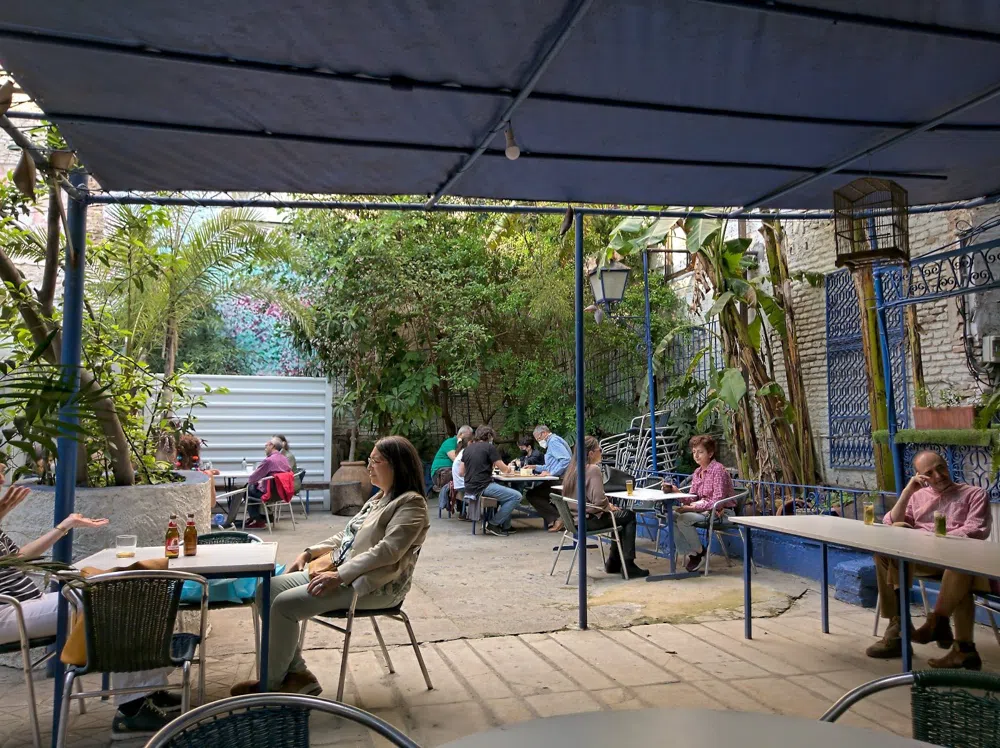
Your First Night Out in Seville, Hour by Hour
Sixteen rooms, real door policies and the running order that keeps a first night in Seville from ending at ten past ten.
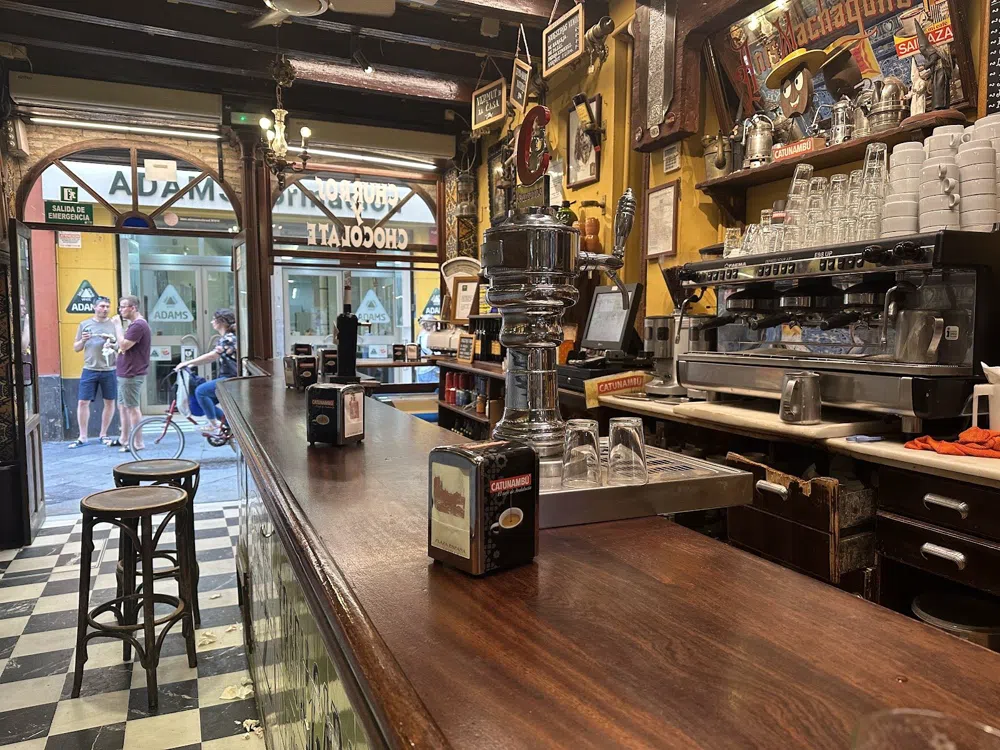
What Seville Eats When It's Not Eating Tapas
Churros fried since 1904, fish in a paper cone, rice cooked to order and three Michelin kitchens: this is the Sevillian food that never turns up on a tapas crawl.
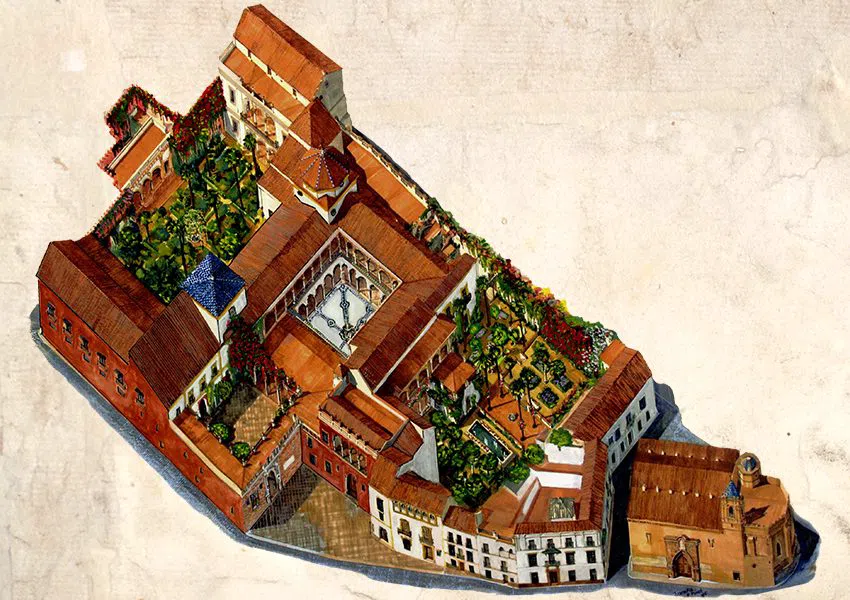
What to See in Seville When the Alcázar Has No Tickets Left
Sixteen ways to spend the hours you had set aside for the Alcázar, with 2026 prices and the free-slot and door policies that decide whether you get in.

Seville with Children Beyond the Cathedral and Alcázar
River boats, working markets, a camera obscura and the old world's-fair park where Sevillano families spend a Saturday, with the 2026 prices and opening hours that decide how the day runs.

How to Plan a Seville Day Around 40-Degree Heat
Monuments before noon, thick walls and water through the afternoon, and a city that only really opens after seven. How to time a Seville summer day, with real prices.
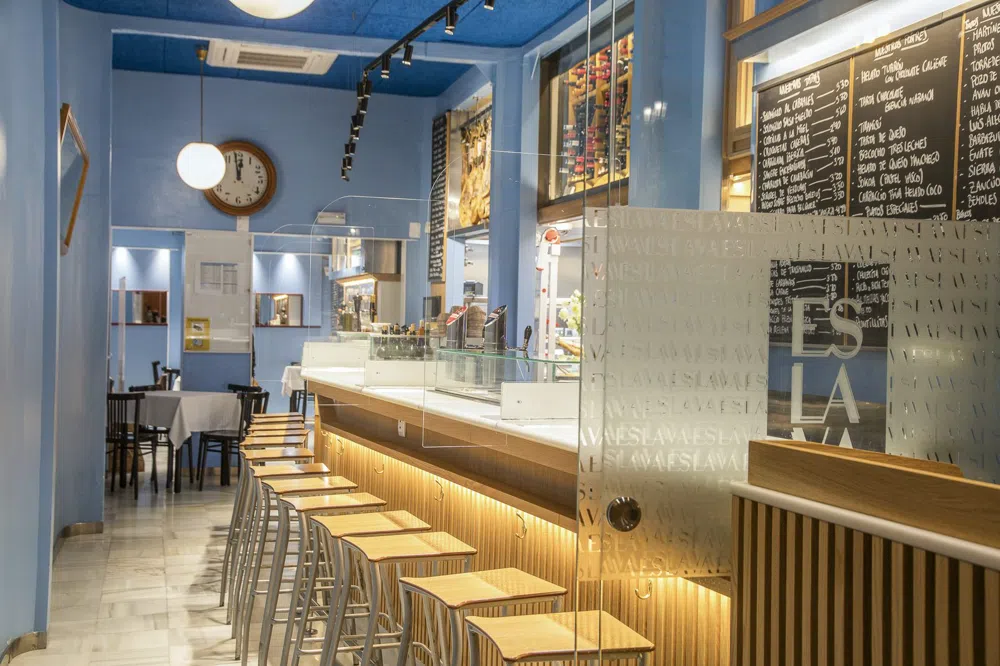
Where to Eat and Drink Around Seville's Bienal Nights
Booked dinners, standing tapas bars, tablaos and late rooms: how to feed an evening in Seville when the flamenco festival sets the clock.
Where to base yourself
The neighborhoods
01
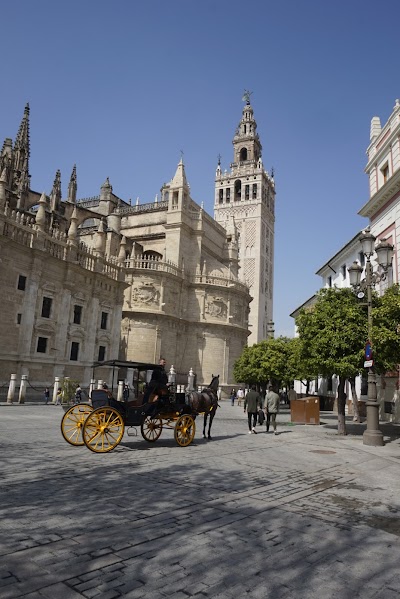
Santa Cruz
For First-time visitors who want to be steps from major monuments. The trade-off is high tourist density and elevated restaurant prices.
The former Jewish quarter, characterized by a maze of whitewashed alleys, hidden courtyards, and towering orange trees.
Where to stay — Traditional converted mansions (casas palacio) offering quiet interior courtyards away from the street noise.
02
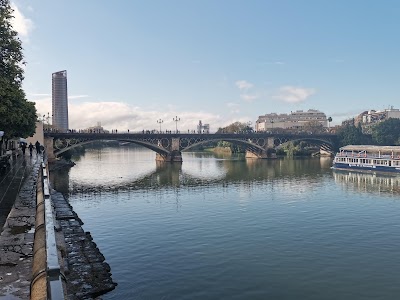
Triana
For Travelers seeking a more residential feel and traditional market culture. The trade-off is a 15-20 minute walk to the main historic sights.
Located across the Guadalquivir River, this neighborhood has a proud, independent identity rooted in ceramic production, seafaring, and flamenco.
Where to stay — Boutique apartments along the riverfront or quiet guesthouses near Calle San Jacinto.
03
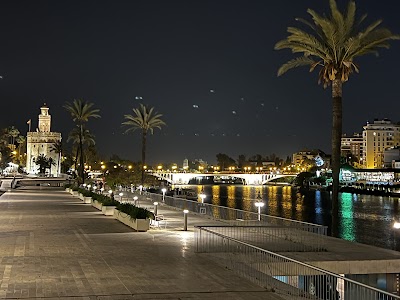
El Arenal
For Food lovers and those looking for a refined, central base. The trade-off is that it lacks the winding, medieval charm of Santa Cruz.
A historic port district that now serves as an upscale residential and cultural hub, home to the bullring and grand riverside views.
Where to stay — High-end design hotels and polished boutique properties.
04
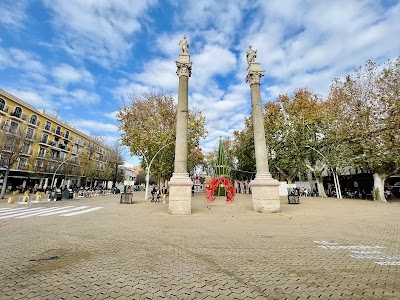
Alameda de Hércules
For Younger travelers, nightlife seekers, and families looking for open pedestrian spaces. The trade-off is that it can get loud and gritty late at night.
A wide, tree-lined promenade that serves as the bohemian heart of the city, filled with indie cafes, bookshops, and outdoor bars.
Where to stay — Trendy hostels, self-catering apartments, and mid-range boutique hotels.
05
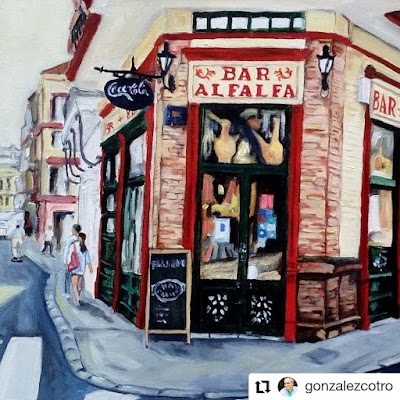
Centro & Alfalfa
For Shoppers and those who want to be in the middle of the action. The trade-off is heavy daytime foot traffic and a lack of green spaces.
The commercial core of the city, blending major shopping avenues with historic plazas and traditional tapas bars.
Where to stay — Modern business-friendly hotels and stylish apartments near Plaza Nueva.
06
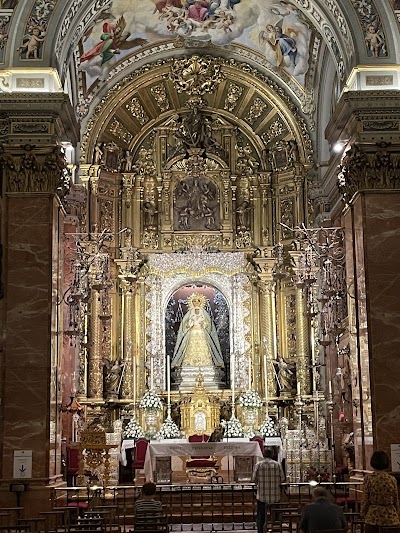
La Macarena
For Slow travelers looking for an authentic, untouristy slice of local life. The trade-off is that it is a long walk from the main train station and cathedral.
A working-class neighborhood with deep religious roots, home to the city's most revered Virgin statue and a growing creative community.
Where to stay — Budget-friendly guesthouses and local apartment rentals.
Book direct
Book a hotel in Seville
Loading live availability and real-time prices…
Where to eat
Dining
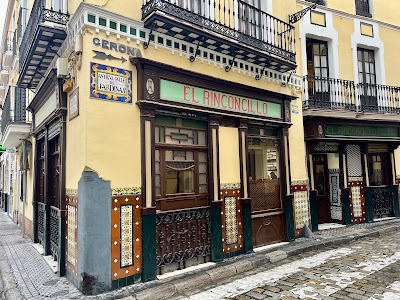
El Rinconcillo
€€Centro
Operating since 1670, this is the oldest tavern in the city, where waiters still write your bill in chalk directly on the wooden bar counter.
Signature — Esparragada de espinacas con garbanzos (Andalusian spinach with chickpeas)
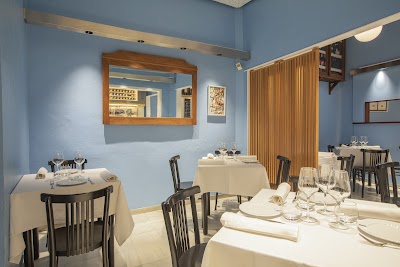
Eslava
€€San Lorenzo
A modern institution that elevated the local tapas scene with highly creative, award-winning dishes served in a casual neighborhood setting.
Signature — Yema sobre bizcocho de boletus (Slow-cooked egg yolk on a savory mushroom cake)
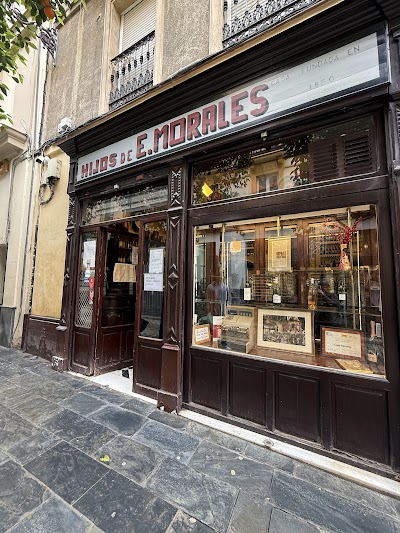
Casa Morales
€Centro
A historic tavern founded in 1850 where you dine surrounded by massive, floor-to-ceiling clay wine jars (tinajas).
Signature — Montadito de pringá (Slow-cooked pork, chorizo, and morcilla sandwich)
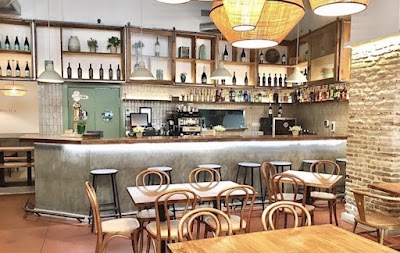
La Brunilda
€€El Arenal
A cozy, whitewashed space serving contemporary twists on classic Andalusian flavors with exceptional presentation.
Signature — Pulpo a la brasa con puré de patatas (Grilled octopus with creamy potato purée)
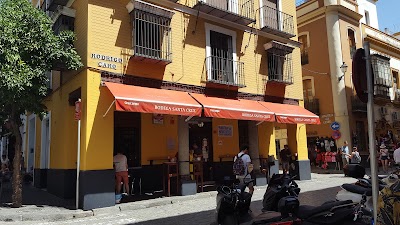
Bodega Santa Cruz Las Columnas
€Santa Cruz
A chaotic, high-energy bar popular with both locals and visitors for its fast service and classic, no-nonsense tapas.
Signature — Adobo (Deep-fried marinated dogfish)
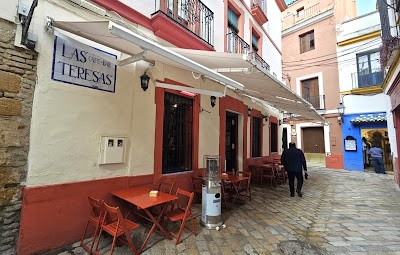
Las Teresas
€€Santa Cruz
An atmospheric tavern with cured hams hanging from the ceiling, offering an incredible selection of dry sherries.
Signature — Jamón Ibérico de Bellota sliced fresh to order
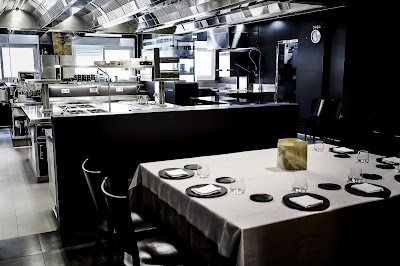
Abantal
€€€€Prado
A minimalist dining room where chef Julio Fernández Quintero crafts highly technical tasting menus focused on Andalusian culinary heritage.
Signature — The seasonal multi-course tasting menu
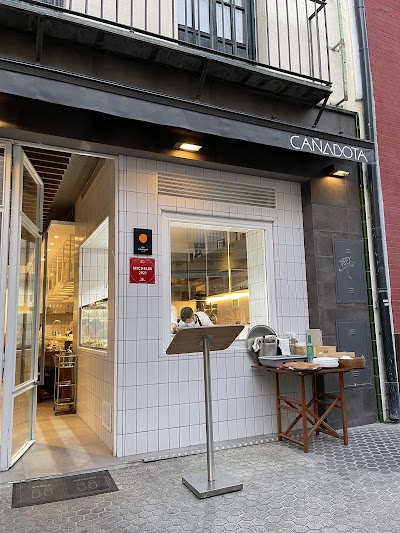
Cañabota
€€€€Centro
An upscale, tile-clad seafood restaurant operating like a high-end fishmonger, where you select your fish and specify the cooking method.
Signature — Grilled sea anemone or charcoal-grilled seasonal white fish
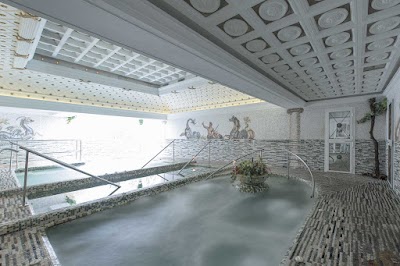
Ispalis
€€€Prado / San Bernardo
Dedicated to 'Sevillian gastronomy,' this restaurant sources ingredients exclusively from local producers to reinvent historic regional recipes.
Signature — Arroz con pato de las Marismas (Local marshland duck rice)
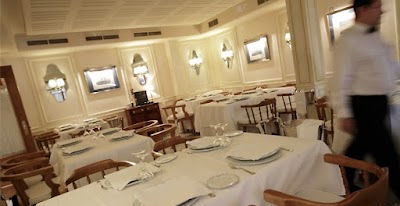
Jaylu
€€€€Triana
An upscale establishment renowned for sourcing the absolute finest shellfish and wild fish from the Andalusian coast.
Signature — Langostinos de Sanlúcar (Sanlúcar king prawns)
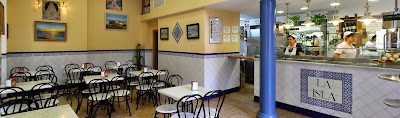
Freiduría La Isla
€€Centro
A classic fried fish shop where you can buy seafood by the weight to take away in paper cones or eat in the traditional dining room.
Signature — Chocos fritos (Crispy deep-fried cuttlefish)
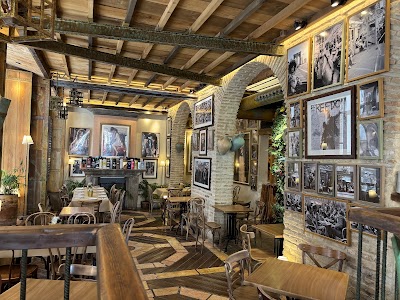
La Moneda
€€Centro
A bustling tavern near the cathedral specializing in traditional seafood stews and fresh shellfish.
Signature — Sopa de galeras (Mantis shrimp soup, when in season)
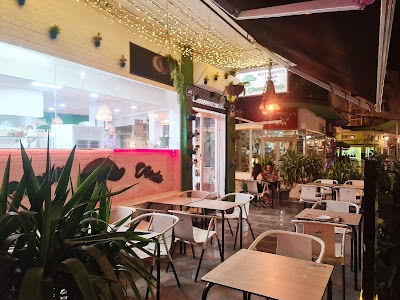
El Enano Verde
€Macarena
A cozy, creative vegan restaurant offering a rotating daily menu of wholesome, globally inspired dishes.
Signature — Vegan lasagna made with seasonal local vegetables
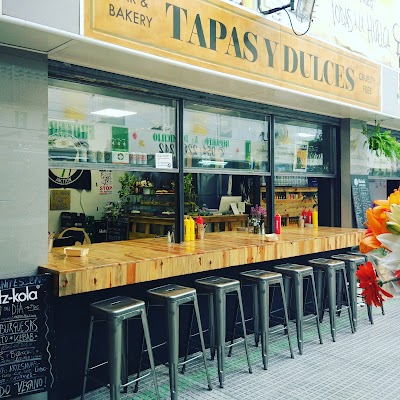
Veganitessen
€El Arenal
Located inside the Arenal Market, this spot serves exceptional vegan tapas, burgers, and artisanal plant-based pastries.
Signature — Veganized version of the classic pringá sandwich
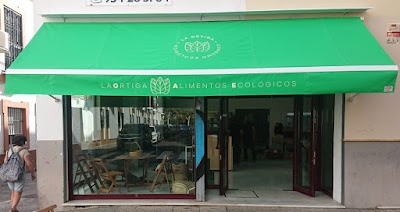
La Ortiga
€Centro
An organic cooperative space serving simple, fresh vegetarian tapas made with ingredients sourced directly from local farms.
Signature — Salmorejo made with organic heirloom tomatoes
After dark
Nightlife
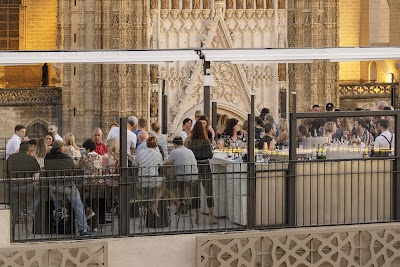
La Terraza de EME
Centro
Offers the most dramatic, eye-level view of the illuminated Giralda cathedral tower from its multi-tiered terrace.
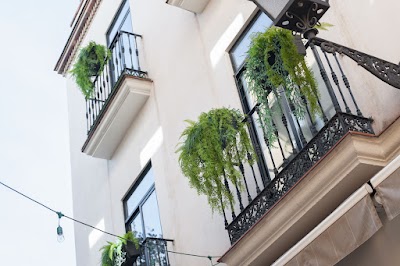
The Corner House Roof Terrace
Alameda
A relaxed, wooden-decked rooftop overlooking the bustling Alameda de Hércules plaza.
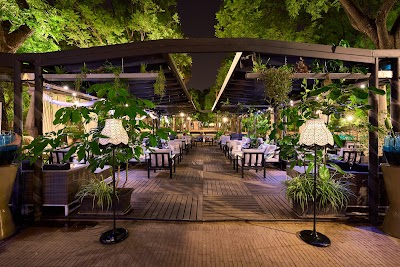
Premier Garden Cocktail Bar
Prado
Set inside the lush Parque de María Luisa, offering creative cocktails surrounded by exotic plants.
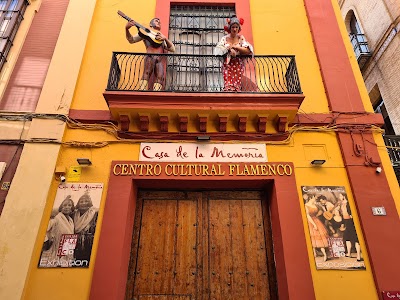
Casa de la Memoria
Centro
A cultural center hosting acoustic-only flamenco performances inside a beautiful 15th-century courtyard.
Art & history
Culture
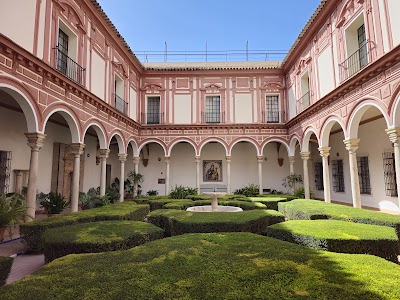
Museo de Bellas Artes
Centro
Housed in a grand 17th-century convent, this is widely considered Spain's second most important fine arts gallery, featuring works by Murillo, Zurbarán, and El Greco.
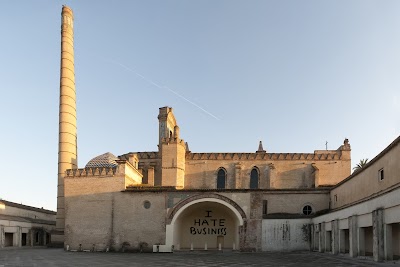
Centro Andaluz de Arte Contemporáneo (CAAC)
Isla de la Cartuja
Located inside a historic monastery that was later converted into a porcelain factory, showcasing modern art alongside industrial brick chimneys.
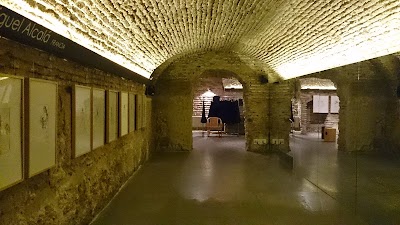
Museo del Baile Flamenco
Santa Cruz
Created by legendary dancer Cristina Hoyos, this interactive museum details the history, styles, and cultural significance of flamenco.
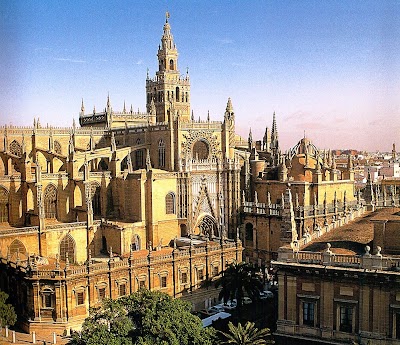
Catedral de Sevilla & Giralda
Centro
The largest Gothic cathedral in the world, built on the site of a 12th-century mosque, featuring the tomb of Christopher Columbus and the iconic Giralda minaret bell tower.
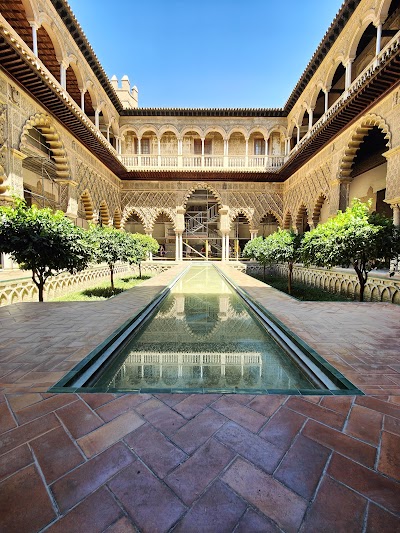
Real Alcázar
Centro
A breathtaking royal palace complex still in use today, showcasing the finest examples of Mudéjar architecture and sprawling, peacock-filled gardens.
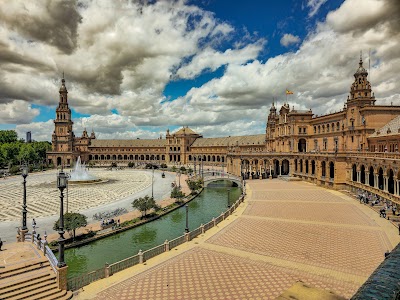
Plaza de España
Prado
A massive, semi-circular brick palace built for the Ibero-American Exposition of 1929, featuring tiled alcoves representing every province in Spain.
Book ahead
Top-rated experiences in Seville

Private Half Day Walking Tour of Seville
from $118

Private Monumental Walking Tour in Seville
from $148

Seville Vegan Tapas Food and Market Walking Tour
from $105

Seville: Guided small group bike and e-bike tour
from $41

Private Theatrical Journey with Roman Emperor in Italica
from $95

Private tour Royal Palace+Cathedral+old Jewish neighbourhood
from $261

Guided Tour to Italica, City of Emperors
from $15

Private tour to the bullring La Maestranza
from $130
Prices from Viator; we may earn a commission when you book — at no extra cost to you. Tours are sold and operated by Viator, the merchant of record. Ratings are collected by Viator and Tripadvisor.
Timing
When to visit
Spring
The city is at its peak with orange blossoms in bloom, Semana Santa processions, and the massive Feria de Abril. Accommodation prices spike significantly, and booking months in advance is mandatory.
Summer
Temperatures regularly exceed 40°C (104°F). The streets empty out completely in the afternoon, and many local businesses close for August. Only recommended if you tolerate extreme heat and plan to sightsee early in the morning.
Autumn
October and November bring pleasant temperatures in the mid-20s°C. The cultural calendar restarts, and outdoor dining terraces are packed with locals.
Winter
Mild and sunny during the day, though nights can be chilly. The orange trees are heavy with fruit, and tourist crowds are at their thinnest, making it excellent for quiet exploration.
What it costs
Budgeting
Logistics
Getting around
From the airport
The Especial Aeropuerto (EA) bus runs every 15 to 30 minutes directly from the terminal to central transit hubs like Santa Justa station and Plaza de Armas. Taxis operate on a flat-rate system depending on the time of day.
Public transit
The city has a highly efficient bus network run by TUSSAM, a single-line metro system useful for reaching the southern suburbs, and a short tram line (MetroCentro) connecting San Bernardo station to the Plaza Nueva shopping district.
Passes & tickets
The Tarjeta Multiviaje is a rechargeable card that drops the cost of individual bus and tram rides significantly. It can be purchased and topped up at local tobacco shops (estancos).
On foot
The historic center is largely pedestrianized and highly compact. Walking is almost always faster and more practical than taking public transit through the narrow, winding streets.
Travel smart
Safety & etiquette
Local etiquette
- •Tipping is not mandatory; leaving a few coins or rounding up to the nearest euro is appreciated for good service.
- •Dress respectfully when entering churches; shoulders and knees should be covered.
- •Do not rush your waiters; dining is viewed as a leisure activity, and you will usually need to ask for the bill (la cuenta) when you are ready.
From the ground
Practical tips
1
Always carry a small amount of cash, as some traditional tapas bars do not accept card payments for bills under ten euros.
2
When ordering tapas, stand at the bar counter; prices are often cheaper there than sitting at the tables inside or on the outdoor terrace.
3
Wear sturdy, comfortable shoes; the historic center is paved with uneven cobblestones that can easily ruin thin-soled footwear.
4
Book your train tickets to Córdoba or Madrid well in advance on the Renfe website to secure the cheapest promotional fares.
5
Look out for the 'no-ni-nó' expression used by locals; it is a triple negative unique to Andalusia that simply means 'of course'.
Seville FAQs
Is the tap water safe to drink?
Yes, the tap water is perfectly safe, clean, and highly regulated, though some visitors prefer the taste of bottled water.
Do I need to book tickets for the Alcázar and Cathedral in advance?
Yes, booking online weeks in advance is highly recommended, as daily entry slots are strictly limited and sell out regularly.
What is the best way to see authentic flamenco?
Avoid the large, commercial dinner shows and opt for intimate cultural centers like Casa de la Memoria or informal neighborhood spots in Triana.
Are shops closed on Sundays?
Yes, most retail shops and supermarkets close on Sundays, though restaurants, cafes, and major monuments remain open.
How do locals handle the extreme summer heat?
Locals stay indoors under air conditioning from 2:00 PM to 7:00 PM, emerging late in the evening when the temperature begins to drop.