The Seville issue
What to See in Seville When the Alcázar Has No Tickets Left
Sixteen ways to spend the hours you had set aside for the Alcázar, with 2026 prices and the free-slot and door policies that decide whether you get in.

By Camille RousselThe city, barrio by barrio
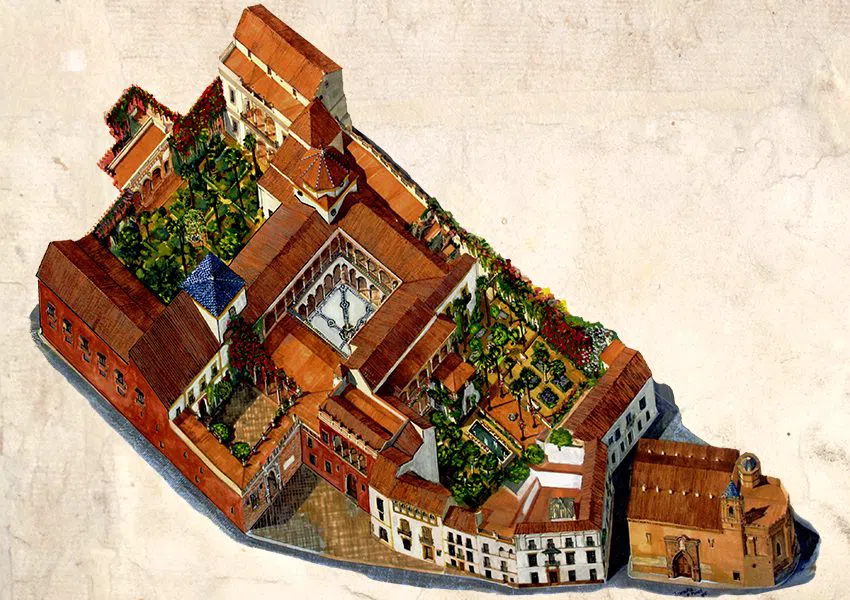
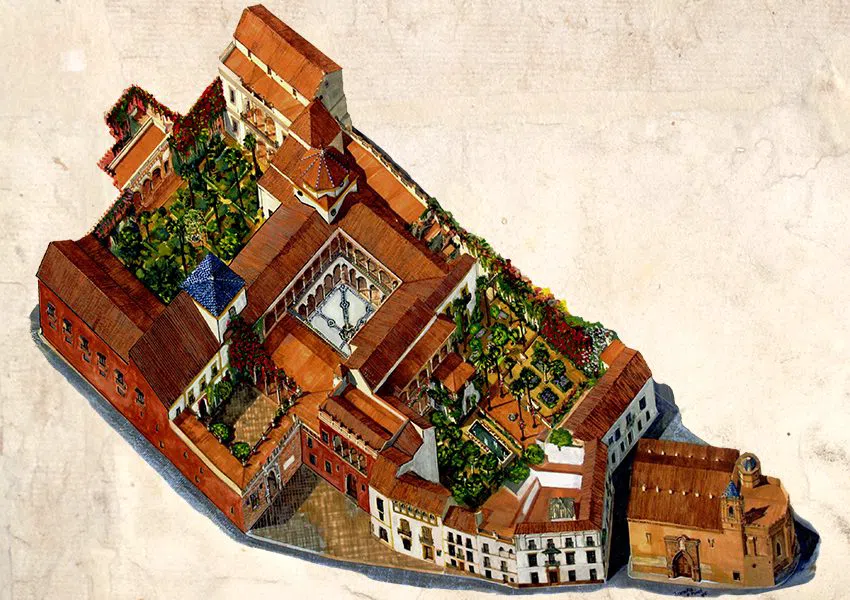
A sold-out Alcázar is the most common way a Seville trip goes wrong, and it almost never has to be. The timed slots go weeks ahead in spring and around the big feast weeks, the official page shows a wall of grey, and resale sites climb to the top of the search results charging triple for the same hour. The consolation is that the things you were going for (mudéjar plasterwork, coffered ceilings, a walled garden of orange trees, rooms where the ordinary business of an empire got done) are spread across a dozen buildings within twenty minutes' walk of that queue, and most of them still have tickets on the door this afternoon.
The cathedral absorbs everyone the Alcázar turns away
If you only replace the Alcázar with one thing, replace it with Catedral de Sevilla y la Giralda (Avenida de la Constitución, on the northern edge of Santa Cruz). It is the same order of astonishment, a Gothic cathedral raised on the footprint of an Almohad mosque with the mosque's minaret still standing beside it as a bell tower, and it releases far more capacity per day, which is why it rarely locks out. Buy from the Chapter's own portal at catedraldesevilla.entradasdemuseos.com rather than whatever appears first in a search; general entry runs about €13 and the 2026 hours and rates were held at 2025 levels, so anything quoting substantially more is a reseller's margin. There are free Sunday slots between 16:30 and 18:00, but they require a prior online reservation and they behave like any free thing in this city, which is to say they vanish. Access to the Giralda closes well before the cathedral does, and there is separate capacity control on the tower itself, so climb first and look at Murillo afterwards, not the other way round. The ascent is a ramp rather than a staircase, wide enough that it suits people who assumed a bell tower was beyond them. Guided group bookings are accepted, which makes this the one substitute that works for a party of twenty as readily as for two.
Plan your Seville trip
Live prices from our booking partners.
Free cancellation on many rooms. We may earn a commission when you book.
Four palaces that kept their tilework
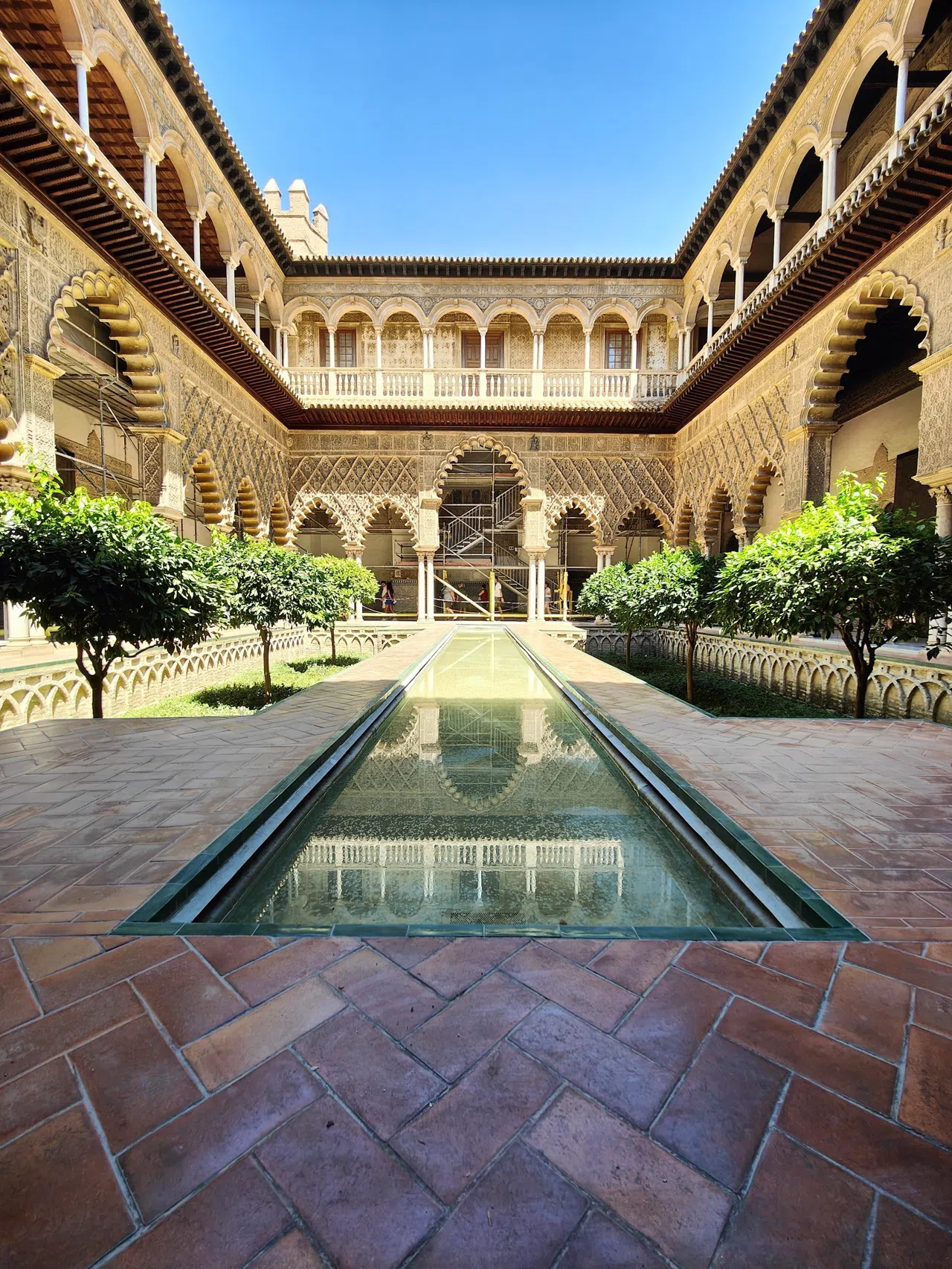
What people want from the Alcázar is domestic rather than monumental: tiled dados, carved plaster, a patio you would live in. Seville has aristocratic houses that do exactly that, three of them still owned by the families whose names they carry. Casa de Pilatos (San Bartolomé, ten minutes east of the cathedral) is the closest match anywhere in the city: a Renaissance-mudéjar palace built around a patio of Roman statuary and azulejo panels, still a lived-in ducal house, and it almost never sells out. Entry is €12 for the ground floor and gardens, €19 including the upper floor, which is guided and worth the difference for the ceilings alone. The Monday free EU slots now require an online booking, so turning up hopefully on a Monday afternoon no longer works. Groups are welcome, and the Medinaceli foundation will arrange private after-hours visits for small parties with an art historian, which is the best answer if you are travelling with people who were disappointed rather than mildly inconvenienced.
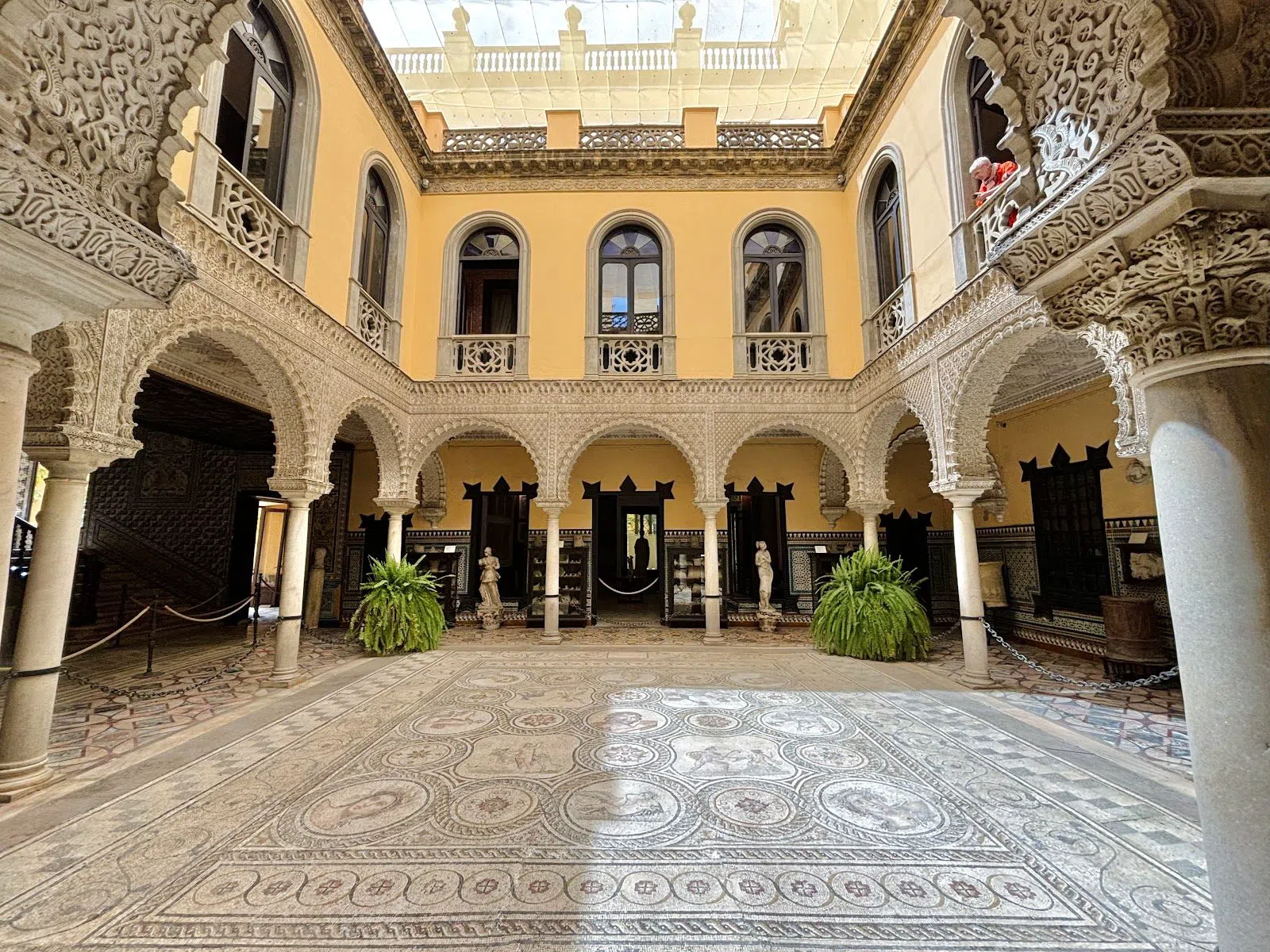
Palacio de la Condesa de Lebrija (Calle Cuna, a minute from La Campana) is the eccentric one, and for some visitors the better afternoon. The countess excavated at Itálica and laid the mosaics in her own hallway, so you walk on Roman floors in a nineteenth-century townhouse; the ground floor is €12, €6 for ages six to twelve, and the upper floor is sold as a small-group guided visit on the door and online. Free ground-floor entry on Fridays at 10:00 takes no reservation at all, which means a short physical queue rather than a digital one, and it fills fast.
Palacio de las Dueñas (Calle Dueñas, north of the centre) gives you more garden per euro than anywhere else inside the ring, which matters if what you wanted from the Alcázar was to sit under a lemon tree. It is €12 general, €16 with a guide and €10 reduced, but the scheduled guided tours run only on Thursdays and Saturdays at noon, so it is a plan you build a day around rather than a fallback you improvise. The House of Alba's Cayetana, Grande de España show runs through the 2026 season and adds a good half-hour to the visit. Groups book through [email protected].

Casa de Salinas (Santa Cruz, two minutes from the Alcázar's own queue) is the emergency option and an oddly moving one. It is a sixteenth-century palace house that remains a family home, shown on a twenty-five-minute bilingual guided visit departing roughly every half hour from 10:00, at around €8 to €10 including the tour. The brevity is the point: short slots recycle quickly, so there is usually same-day space when nothing else in the district has any. Small groups only, though, so a party of fifteen has to split across departures and accept arriving at the mosaic floor twenty minutes apart.
Baroque interiors and a free archive in the same ten minutes
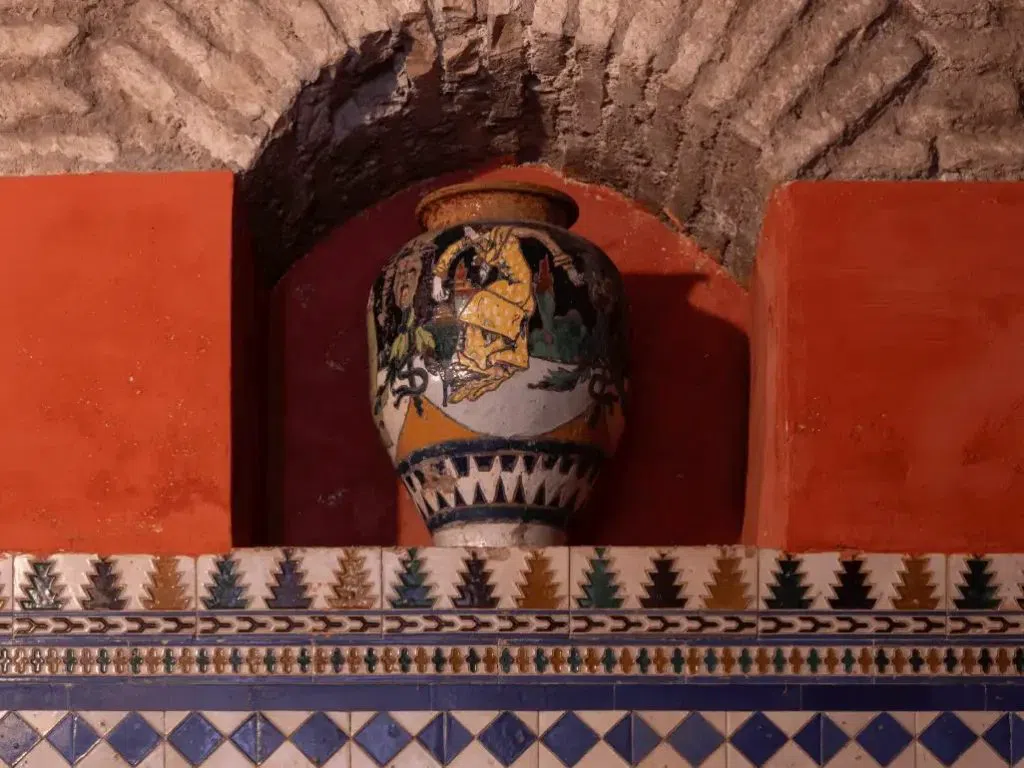
Hospital de los Venerables Sacerdotes – Fundación Focus (Santa Cruz, deep in the lanes behind the cathedral) was built as a retirement home for elderly priests and is now an art centre, and its sunken patio, dropped below ground level so the fountain sits at eye height when you enter, is one of the few surprising interiors left in a district that has been photographed to death. General entry is €12, reduced €10, guided €15 and a VIP format €30; autumn hours run to 19:00 on weekdays. The free heritage slot on Mondays between 15:00 and 19:00 is online-reservation only, with no door allocation.
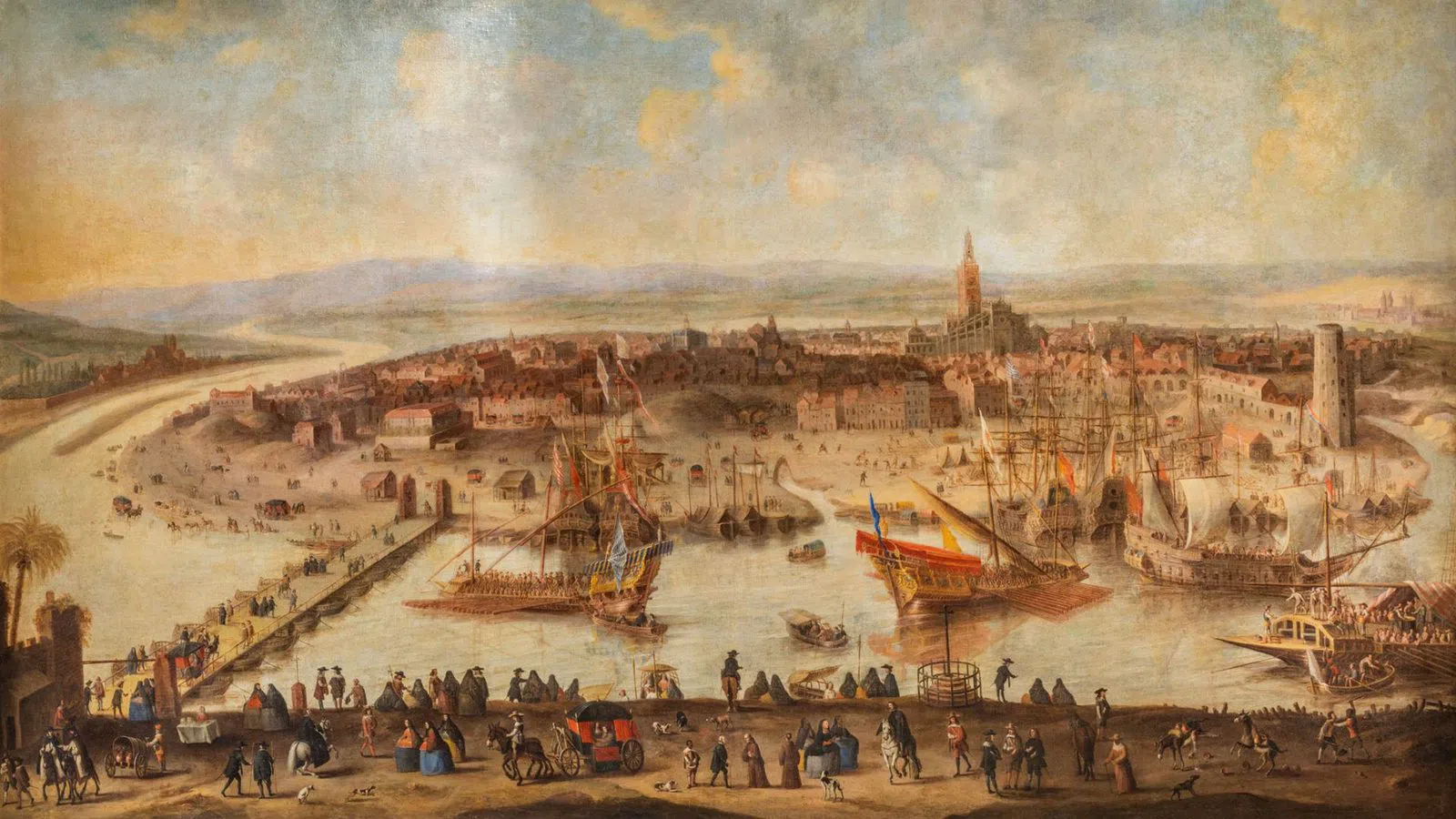
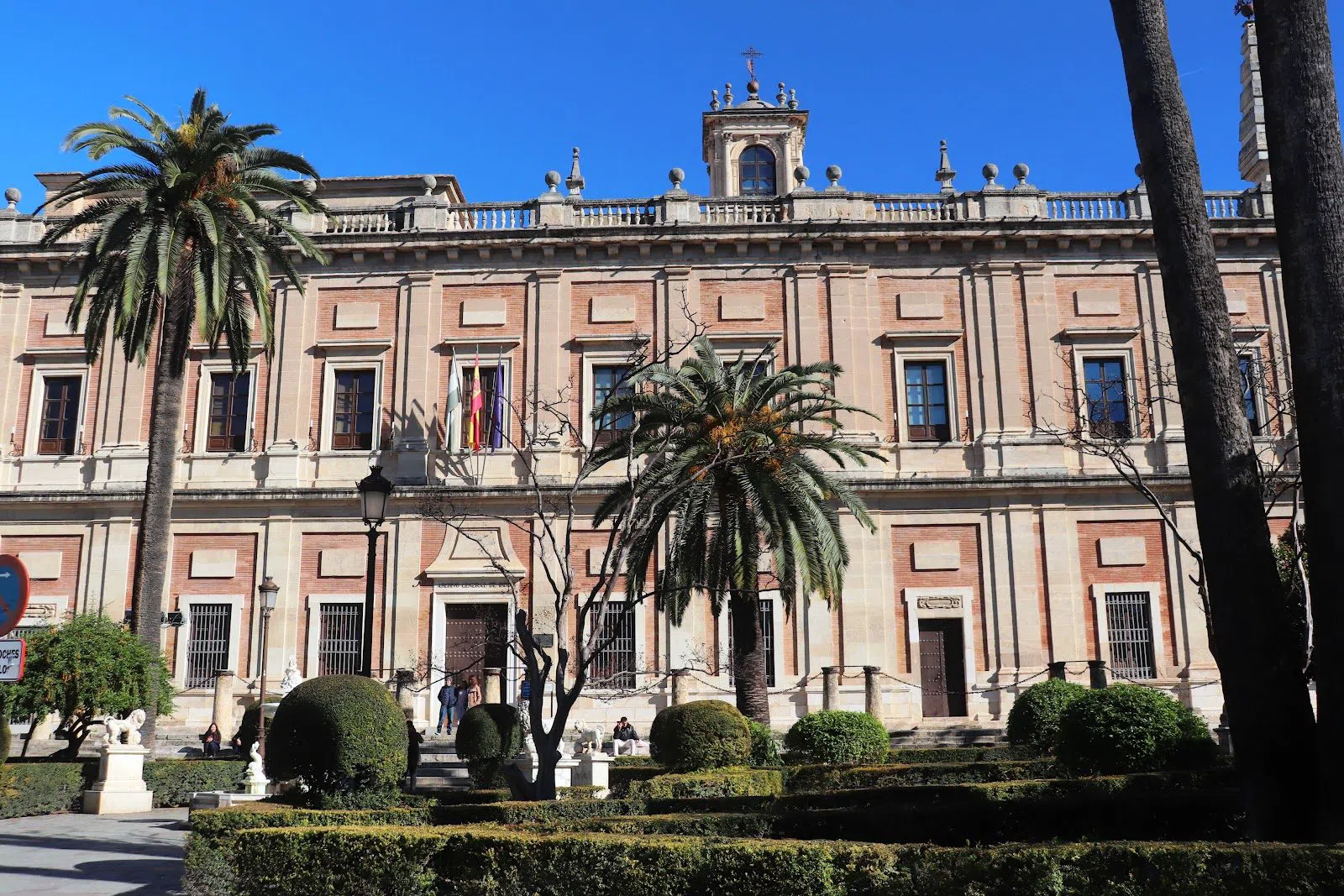
Directly across the square from where the Alcázar sells its tickets, the Archivo General de Indias (Avenida de la Constitución) costs nothing, takes no booking for individuals, and holds the paperwork of the Spanish empire in a sixteenth-century merchants' exchange of astounding restraint. It is the one UNESCO-listed building in Seville you can simply walk into, and you are already standing outside it at the moment you discover you have no slot, which makes it the right first move. Groups over twenty must arrange a time in advance, and it closes on Mondays.
Where to send a group at short notice
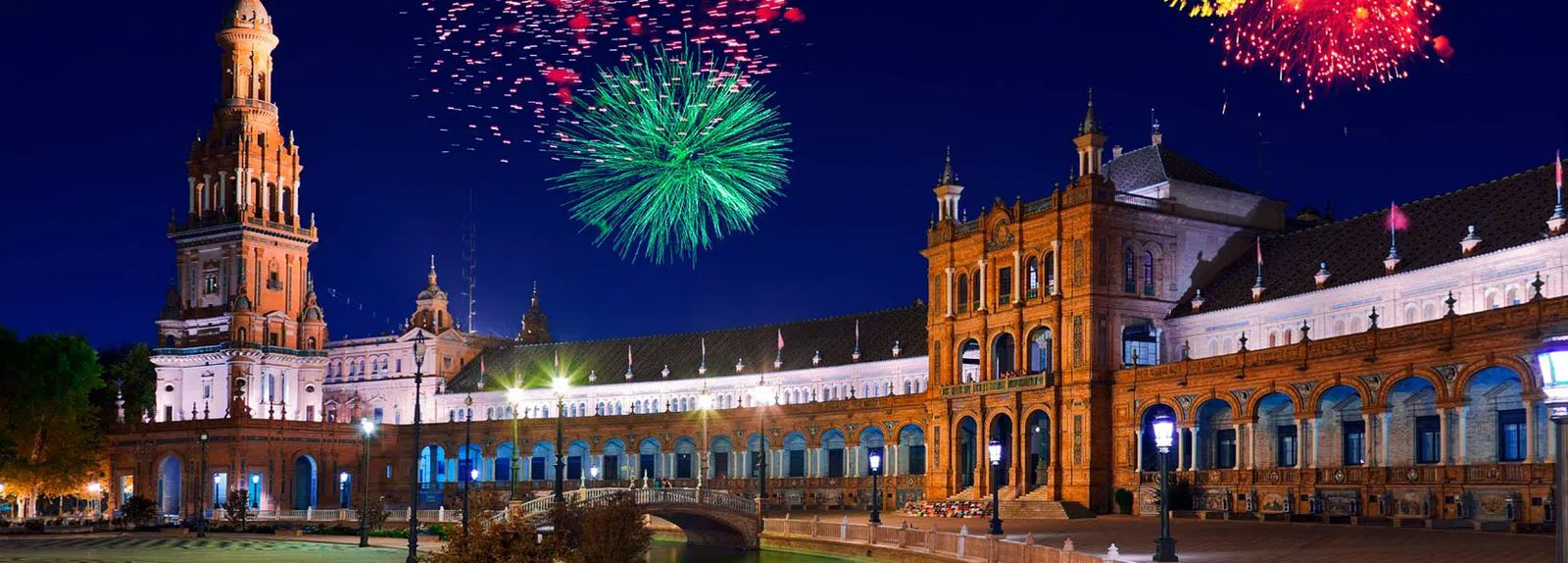
When a party of ten has lost its booking and needs somewhere to be within the hour, the answer is Plaza de España (on the edge of the Parque de María Luisa, fifteen minutes' walk south). It is free, uncapped and unreservable, its tiled provincial alcoves keep restless people occupied for an hour, and the rowing boats on the canal cost about €6 for thirty-five minutes. A municipal tourist charge has been floated repeatedly and is not in force. One caveat for 2026: state-funded work on the Navarra and Aragón gate ceilings is due to begin mid-year and may screen off sections for around nine months, so photographs may need reframing.
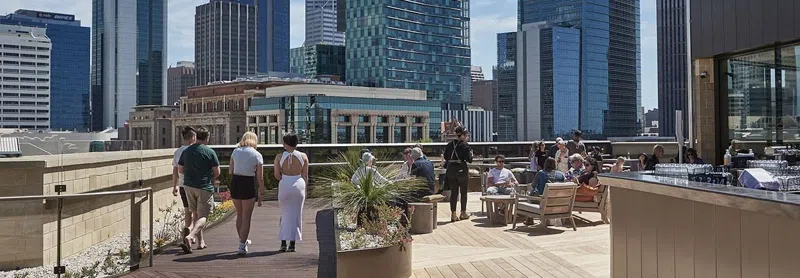
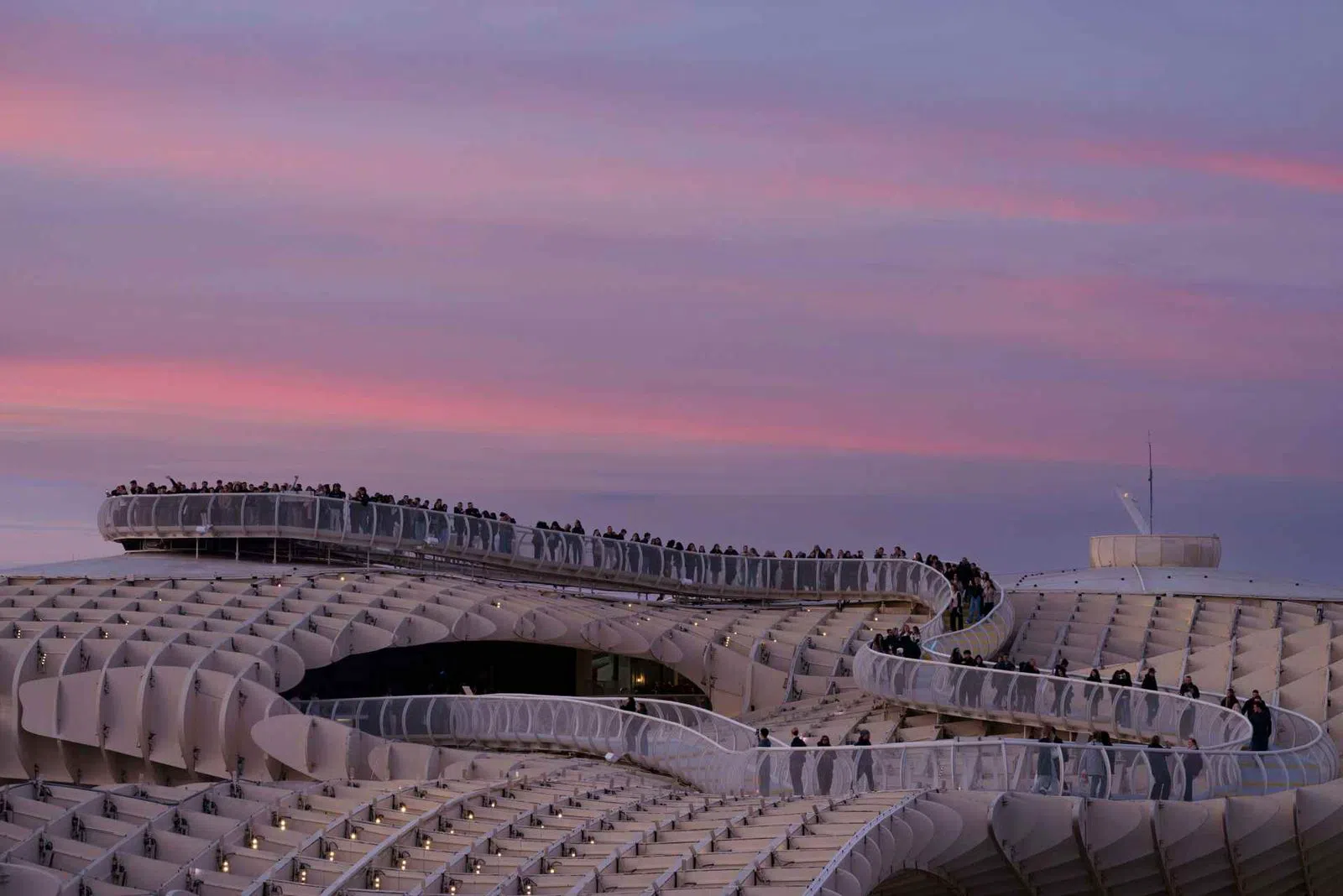
Setas de Sevilla (La Encarnación) does the other half of the job, because it is open until 01:00 and therefore absorbs the people who were turned away at nine in the morning and have been walking ever since. The rooftop walkway over the timber lattice is €15 including the Feeling Sevilla and Aurora experiences, €12 for ages six to fourteen and free for Seville residents; the Roman and Almohad remains in the Antiquarium underneath are ticketed separately. Parties over ten can request tailored content, and there are school workshops downstairs.
Museums that cost less than a coffee
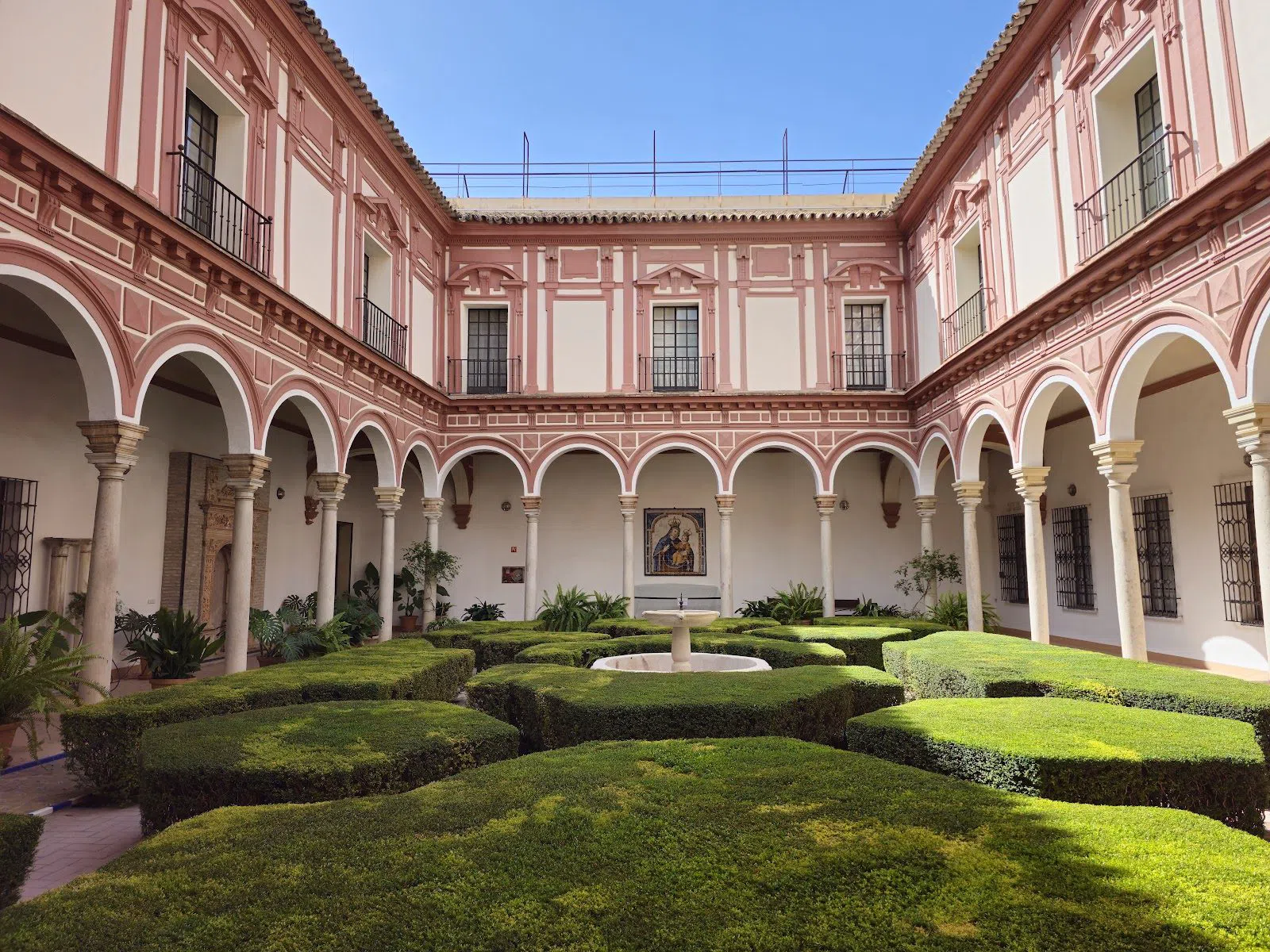
Museo de Bellas Artes de Sevilla (Plaza del Museo, between the centre and the river) is second only to the Prado for Spanish Golden Age painting, housed in a former Mercedarian convent whose church interior is worth the trip on its own. Entry is €1.50, free for EU citizens with ID, there is no timed entry and capacity is generous. Outside August it stays open Tuesday to Saturday until 21:00, which makes it the natural landing place once the palaces have shut for the evening. Closed Mondays.
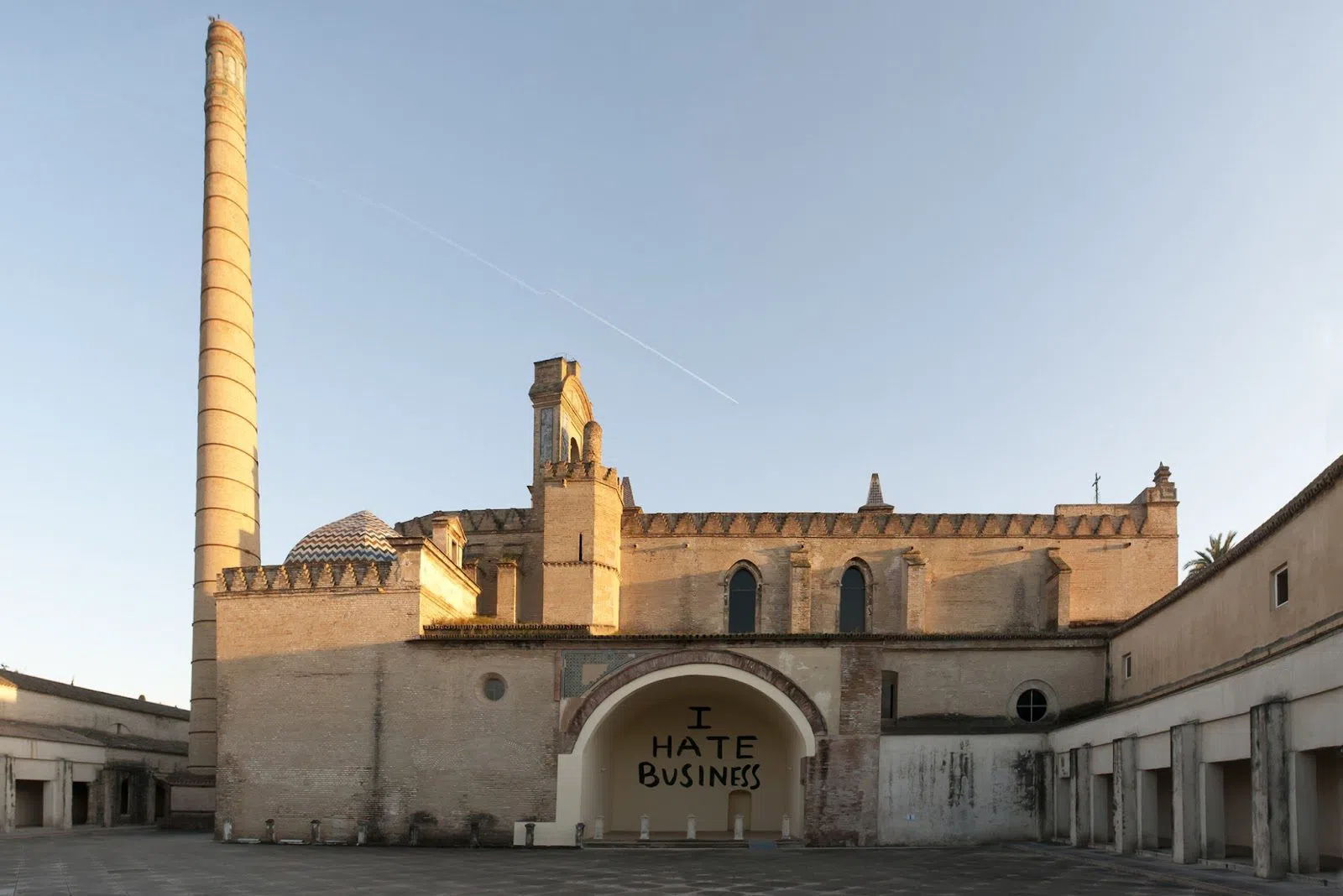
Across the river, the Centro Andaluz de Arte Contemporáneo – Monasterio de la Cartuja (Isla de la Cartuja, ten minutes out) is the strangest and emptiest large monument in the city: the Carthusian house where Columbus planned voyages, later an English-owned ceramics factory whose bottle kilns still stand in the grounds. Exhibitions are €1.80, €3.01 including the monument, free Tuesday to Friday between 19:00 and 21:00 and all day Saturday. Tickets are sold at the box office only, with no online timed entry, so walking up is the normal way in and that alone makes it a reliable Plan B. Closed Mondays.
Twenty minutes out to a Roman city
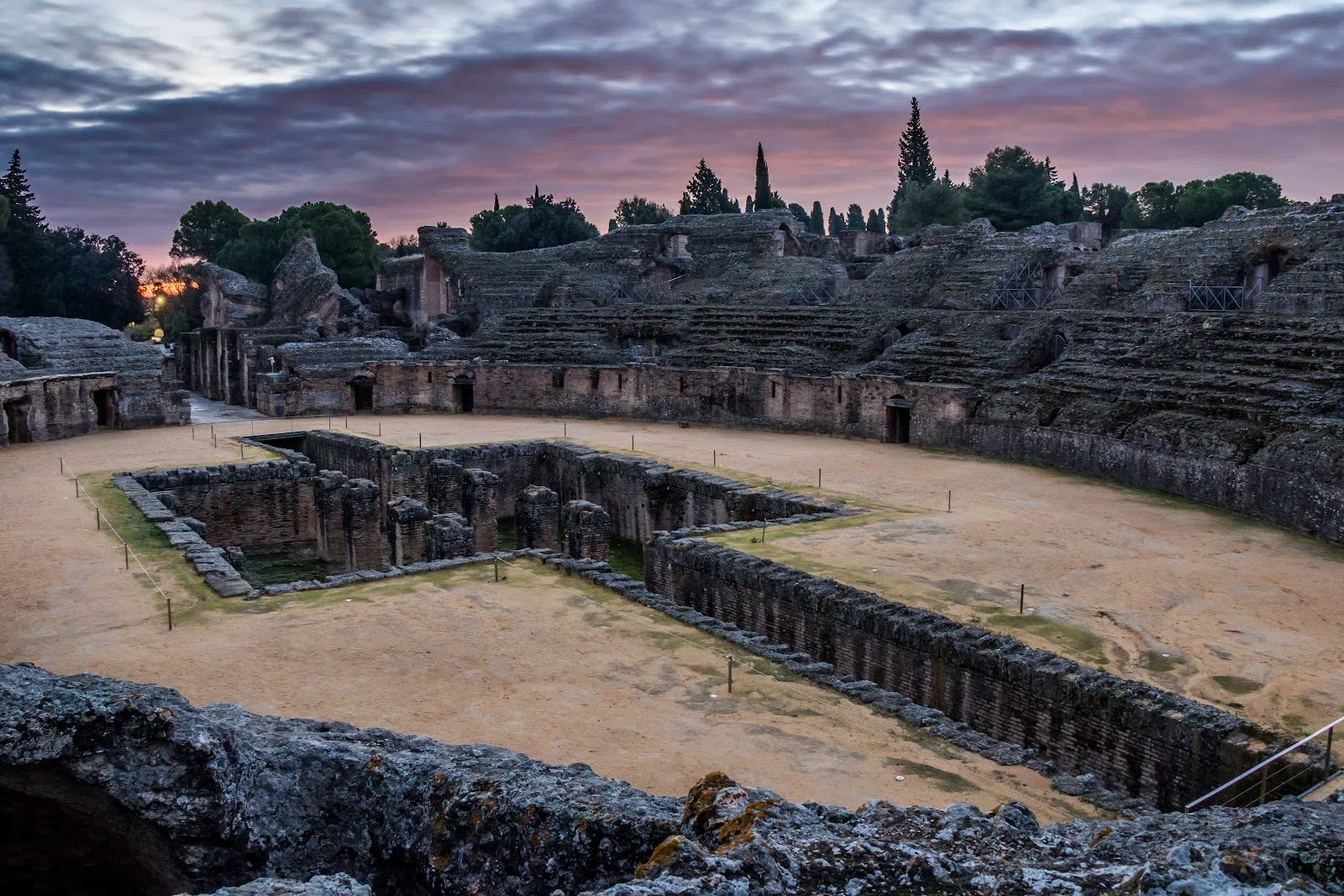
Conjunto Arqueológico de Itálica (Santiponce, twenty minutes north-west by bus) was the birthplace of Trajan and Hadrian, and the amphitheatre and the mosaic-floored houses are the reason a lost Alcázar slot can turn into the better day. It served as a Game of Thrones location like the Alcázar did, so it scratches the same itch, and entry is €1.50 for non-EU visitors and free for EU residents. Individuals need no booking; parties of ten or more must reserve. Go early and go with water, because there is almost no shade and the site is larger than people expect. Closed Mondays.
The Seville that isn't a monument at all

Basílica de la Macarena y Museo de la Hermandad (La Macarena, north of the old walls) shows you what this city cares about rather than what the guidebooks queue for. The basilica is free, unticketed and keeps evening hours to 21:00; the brotherhood's museum, with the Holy Week finery and the processional silver, is €5, €3 reduced and €2.50 for residents of Seville province, and it closes half an hour before the basilica does. Go in the evening and you will be among people praying rather than people photographing.
Monasterio de Santa Paula (San Julián) has been an enclosed convent since 1473 and sells its own museum, its own jams and its own terms. Visiting hours are a narrow Tuesday-to-Sunday window from 10:00 to 13:00, the museum is €4 and the jars of jam and marmalade run €4 to €8. This is a small-group place by nature, since a coach party is not appropriate in an enclosed community, so anything beyond a handful of people needs booking ahead. The sweet counter reopens in the late afternoon after the museum has closed, which is a decent excuse for a second visit.
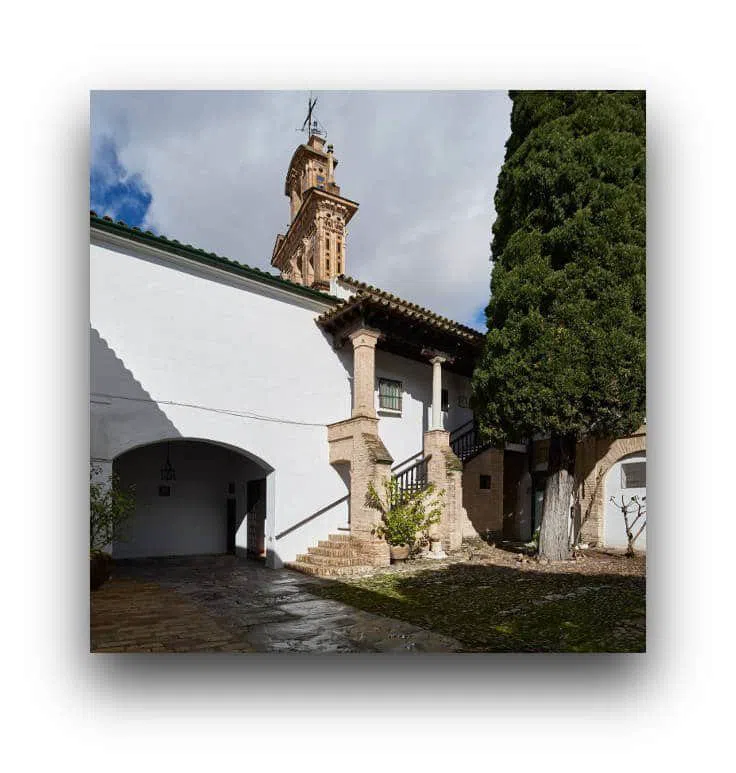
Museo del Baile Flamenco (between the Alfalfa and Santa Cruz), founded by the dancer Cristina Hoyos, is the only flamenco museum of its kind and the noon matinée fills an Alcázar-shaped hole in a morning without weeks of notice. The museum runs 10:00 to 18:00 at €10, €8 reduced and €6 for children; the Sueños Flamencos show is €25 for adults and €12 for children, with sittings at 12:00, 17:00, 19:00 and 20:45, so a large party can be spread across performances rather than crammed into one.
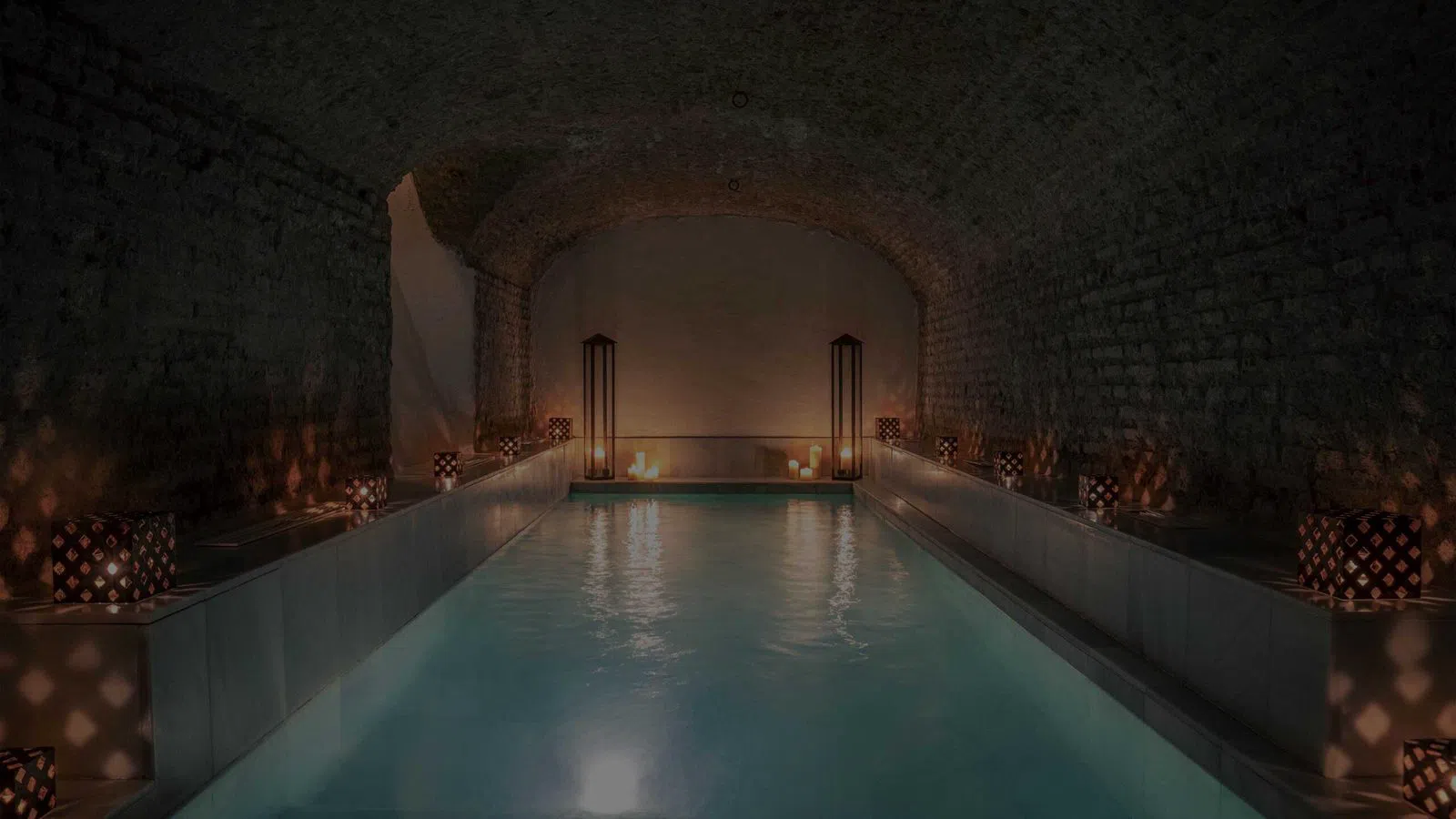
Finally, AIRE Ancient Baths Sevilla (Calle Aire, a few streets from the cathedral) turns a wasted afternoon into the best hour of the trip: a candlelit thermal circuit in a converted sixteenth-century palace, roughly €60 to €90 for ninety minutes and more with a massage. It books out at weekends but usually has weekday slots. The door policy is firm and worth knowing before you build hopes on it: adults 18 and over only, swimwear compulsory, and groups admitted by prior reservation only, with private hire of the baths available. It is not an option for anyone travelling with children.
Moving around, paying and timing the day
Everything above except Itálica and the Cartuja sits inside a walkable historic centre; the useful exceptions are bus M-172 out to Santiponce for Itálica and a tram or a fifteen-minute walk over the Pasarela de la Cartuja for the contemporary art museum. Mondays are the trap in this city. The Archivo, Itálica, Bellas Artes, the Cartuja and Santa Paula all close, while Casa de Pilatos and Los Venerables offer their free slots on that same day, so a Monday should be built around palaces, the cathedral and the Setas, and nothing else. Carry a card for tickets and some cash for the convent's jam counter and the rowing boats. EU residents should carry ID, since it converts Bellas Artes and Itálica into free entry.
On budget, a full day of substitutions is cheap: cathedral and Giralda at around €13, Casa de Pilatos at €12 and the Bellas Artes at €1.50 comes to under €30 a head, less than an Alcázar slot bought from a reseller. Book the two fixed-schedule places, Las Dueñas at noon on a Thursday or Saturday and any AIRE circuit, before you leave home, and leave the rest to the morning you actually have. If you are still choosing where to sleep, the compact centre means anywhere between the Alfalfa and the Arenal puts all of this within a twenty-minute walk; start with a Seville hotel search and read the wider Seville guide for how the districts differ. And keep checking the Alcázar's own site each morning: cancellations are released, and if one appears you now have a day worth rearranging.
Before you go
How far ahead does the Real Alcázar actually sell out?
In spring and around the big feast weeks the timed slots commonly disappear two to four weeks ahead, and the official page then shows nothing but unavailable dates. The Alcázar puts cancellations back on its own site, so check each morning of your stay rather than writing off the whole trip. If nothing appears, the Catedral de Sevilla y la Giralda releases far more capacity per day and is the closest thing to it in scale.
What is the single best substitute for the Alcázar's tilework and courtyards?
Casa de Pilatos in San Bartolomé, a Renaissance-mudéjar palace built around a patio of Roman statuary and azulejo panels. It is still a lived-in ducal house, and it almost never sells out. Entry is €12 for the ground floor and gardens or €19 including the guided upper floor, and the Medinaceli foundation arranges private after-hours visits with an art historian for small groups.
Which Seville monuments can I walk into with no booking at all?
The Archivo General de Indias is free, needs no reservation for individuals, and is directly opposite the Alcázar's ticket office; it closes on Mondays and groups over twenty must arrange a slot. Plaza de España is free, uncapped and open at all hours. The Centro Andaluz de Arte Contemporáneo at La Cartuja sells tickets at the box office only, so walking up is the normal way in.
Are the free entry slots worth planning around?
Some are. The cathedral's Sunday 16:30 to 18:00 slots, Casa de Pilatos on Mondays for EU visitors and the Monday 15:00 to 19:00 window at Los Venerables all require an online reservation and go quickly. The Friday 10:00 free ground-floor entry at the Palacio de la Condesa de Lebrija takes no reservation, but you queue on the street instead. EU residents with ID get the Museo de Bellas Artes and Itálica free on any day they open.
What works for a group of ten or more with nothing booked?
Plaza de España, the Setas de Sevilla rooftop walkway, which stays open until 01:00, and the Catedral, which takes guided group bookings. The Museo del Baile Flamenco can spread a party across sittings at 12:00, 17:00, 19:00 and 20:45. Do not count on Casa de Salinas or Monasterio de Santa Paula, which both take small groups only, and AIRE Ancient Baths admits groups by prior reservation and adults 18 and over only.