The Seville issue
How to Plan a Seville Day Around 40-Degree Heat
Monuments before noon, thick walls and water through the afternoon, and a city that only really opens after seven. How to time a Seville summer day, with real prices.

By Rocío DelgadoEating Seville, stall to taberna
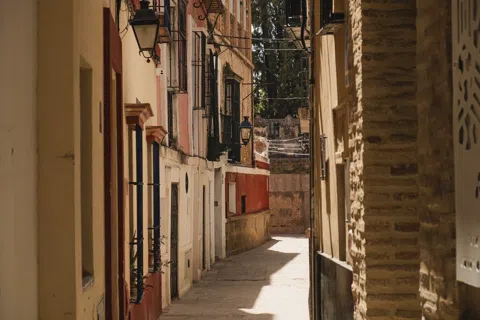
By ten on a July morning the shade in Santa Cruz has thinned to a hand's width against the wall, and by three the centre has emptied so completely that first-timers read it as a warning. Seville in summer works fine. It just runs on a different clock, and most of the trick is knowing which four hours to give away.
What the heat actually does to a day
From mid-June to mid-September the afternoon high sits in the high thirties and clears 40°C often enough that you should plan for it rather than hope. The peak arrives later than most visitors assume: mornings stay workable until roughly 11:30, the punishing stretch runs from about 14:00 to 19:00, and by 21:00 the streets refill with families, prams and grandparents who have been doing this for eighty years.
So the shape of the day is fixed. Roofless things before noon; thick walls, air conditioning or water from lunch until seven; social hours after that. Getting it wrong costs real money. A €15.50 palace ticket you were too cooked to look at is burned, and a queue in full sun ruins the rest of the day rather than just the hour.
Two habits sit underneath everything below. Carry water and refill it; the city's public fountains are drinkable, and any bar will fill a bottle if you buy a coffee (€1.50 to €2.50). And read the street before you cross it. Locals walk the shaded side even when it doubles the distance, which is why the pavements look lopsided at noon.
Plan your Seville trip
Live prices from our booking partners.
Free cancellation on many rooms. We may earn a commission when you book.
The monuments belong to the first three hours
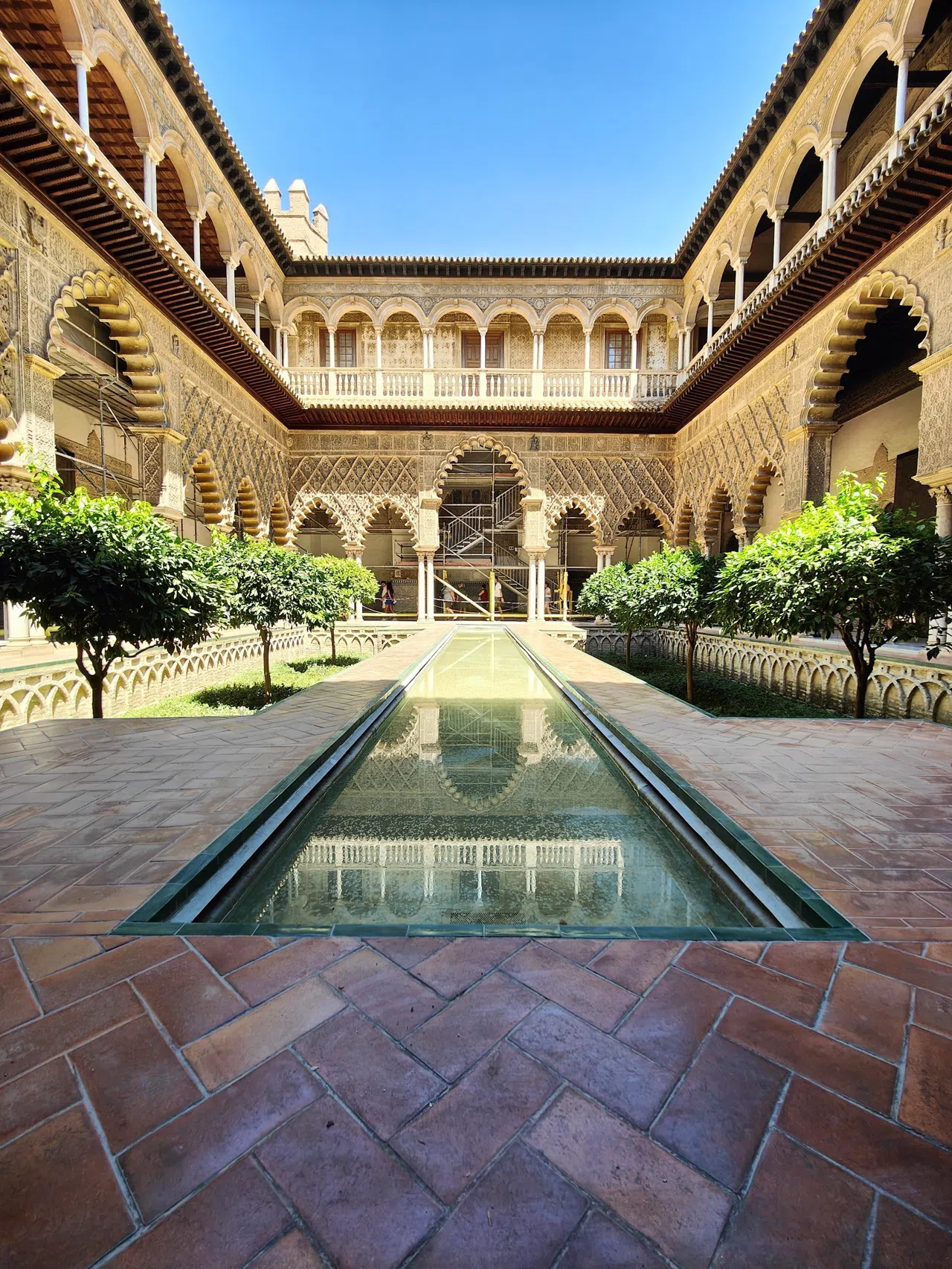
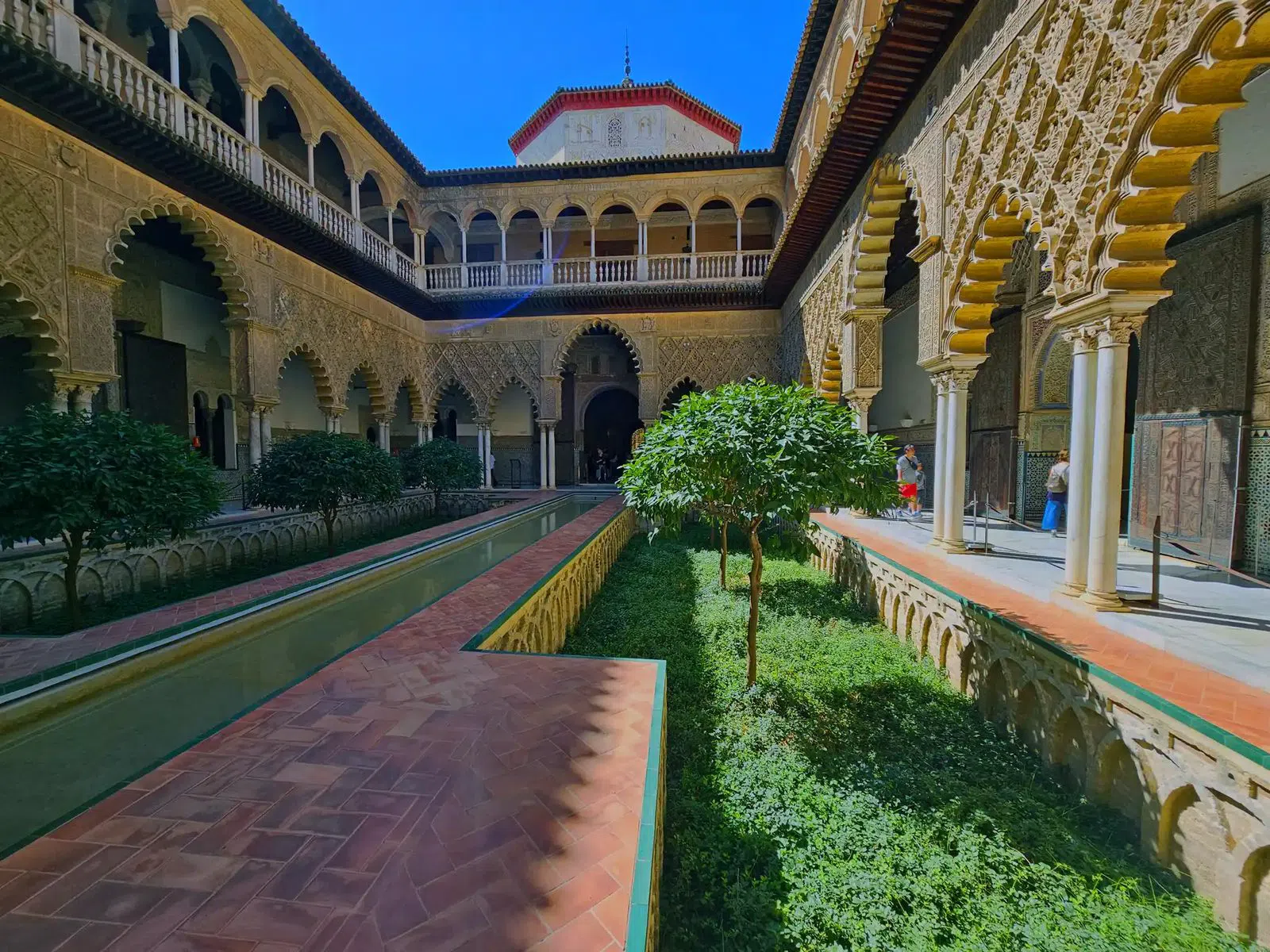
Real Alcázar de Sevilla (Santa Cruz) is the most heat-sensitive ticket in the city, because only half of it is indoors. The tiled halls are cool and dim; the gardens are open sky, and by 11:30 the pond terraces are a furnace. Take the 9:30 opening slot and be walking out by lunchtime. Entry is €15.50 general, €21 including the Cuarto Real, free for under-13s. Capacity is capped at 750 people inside at any one time and summer slots go days ahead, so book online per person. A party that turns up together without slots gets split or turned away. The other smart window is free entry on Mondays from 18:00 to 19:00, April to September. It is one hour, so pick two courtyards and accept you are not seeing the whole thing.
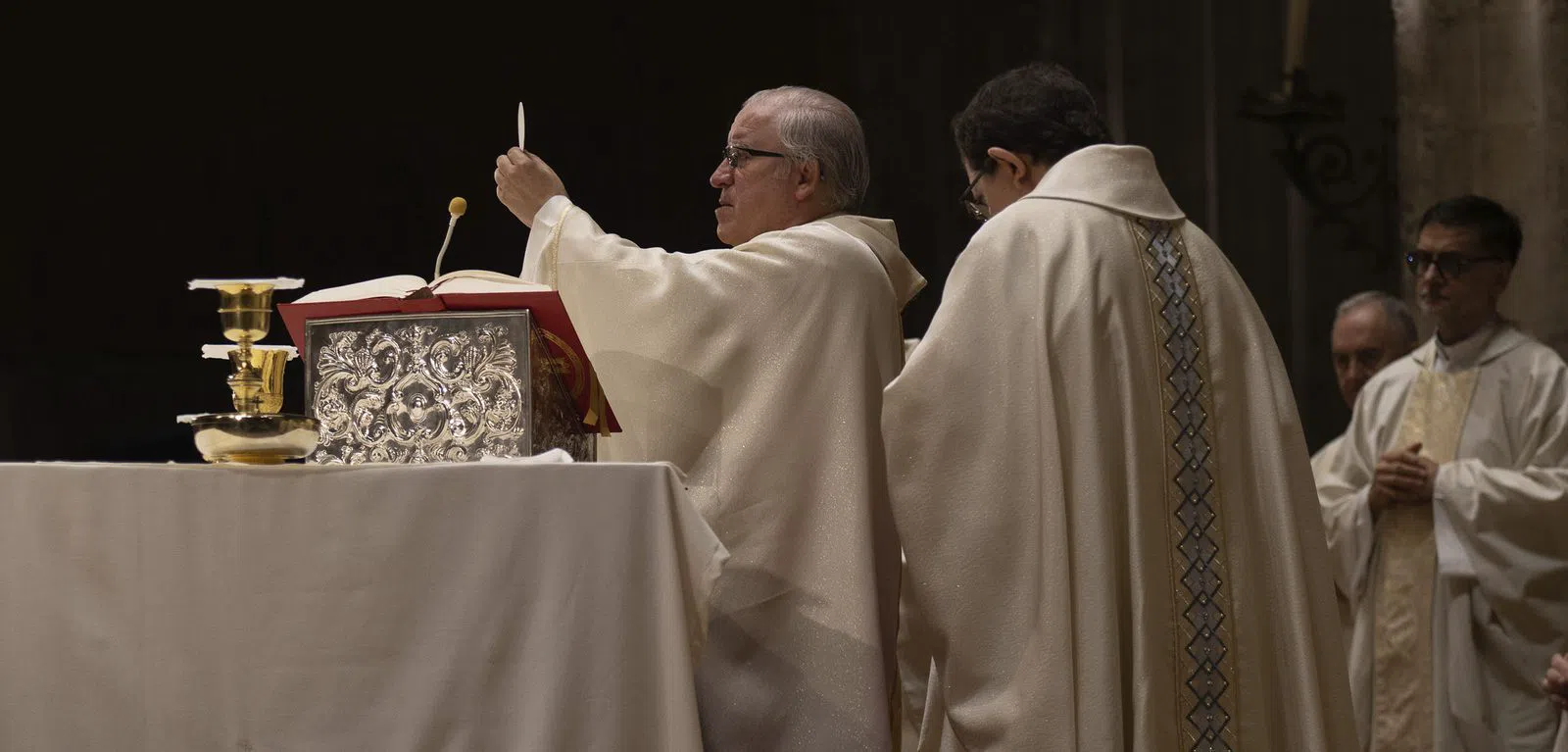
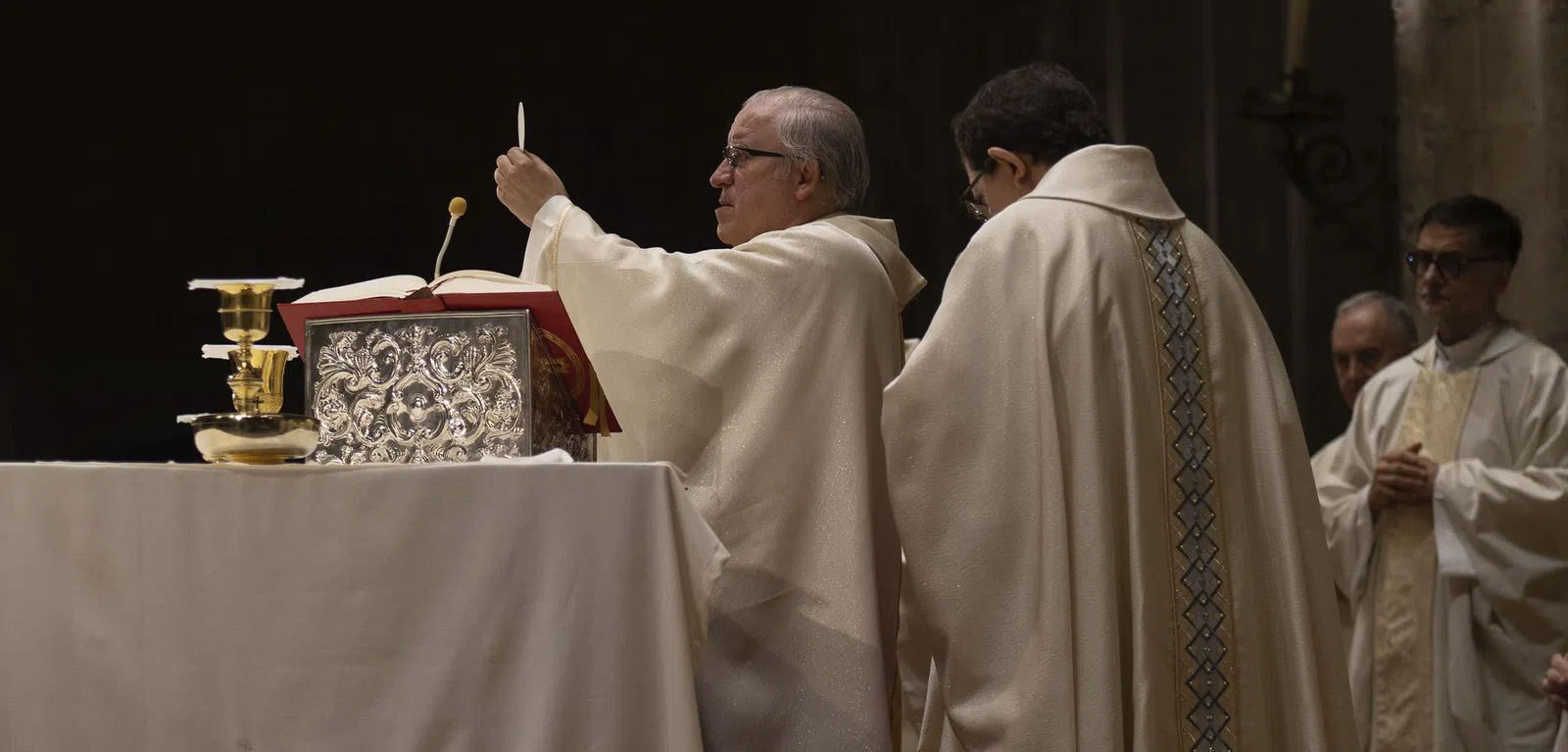
Catedral de Sevilla & La Giralda (Avenida de la Constitución) opens at 9:30 in July and August rather than the usual 11:00, and that earlier start is the whole plan. €13 online, €14 at the door, €7 reduced, under-13s free, and the ticket also covers the Giralda climb and the Iglesia del Salvador. The tower is a ramp rather than a stairwell, built for a man on horseback, which is far kinder than it looks when it is already 30°C at breakfast; it is still a long haul with no air conditioning. Giralda access is separately controlled with its own timed capacity, so a group of eight will be spread across slots. Do the tower first and the nave afterwards, because that nave is one of the coolest interiors in the city.
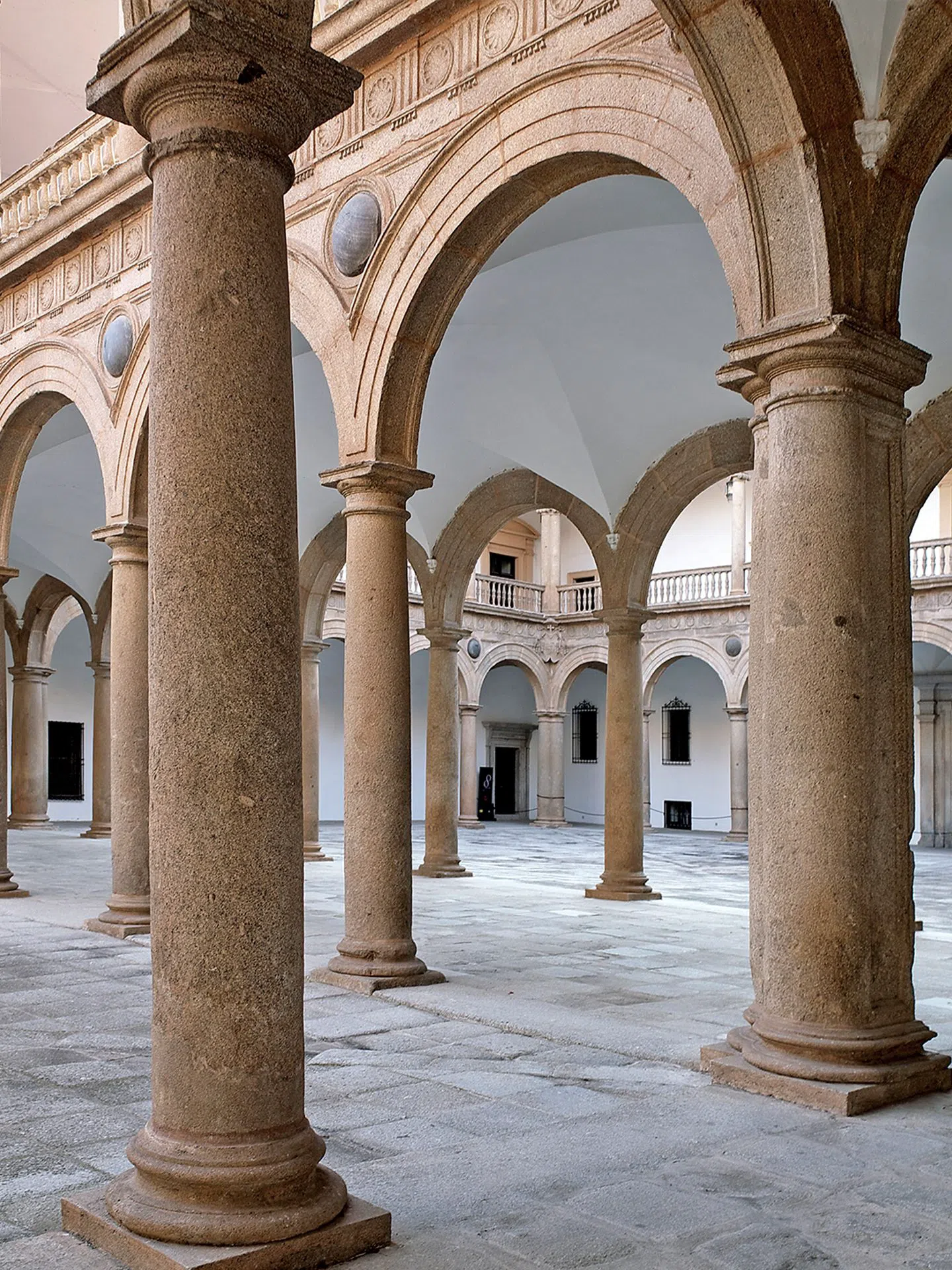
Casa de Pilatos (San Bartolomé) opens at 9:00, the earliest of the great houses, and it is the answer when Alcázar slots have gone. The colonnaded patios hold the night's cool for hours, and the sunken planting keeps the ground floor genuinely comfortable well into mid-morning. €10 for the ground floor, €12 for the whole house, free on Mondays from 15:00 to 19:00. The upper floor runs as guided batches on a timer, so a party may wait for the next round; build in twenty minutes. It is rarely crowded, which is not something you can say about much inside the old walls.
Itálica needs the first bus out
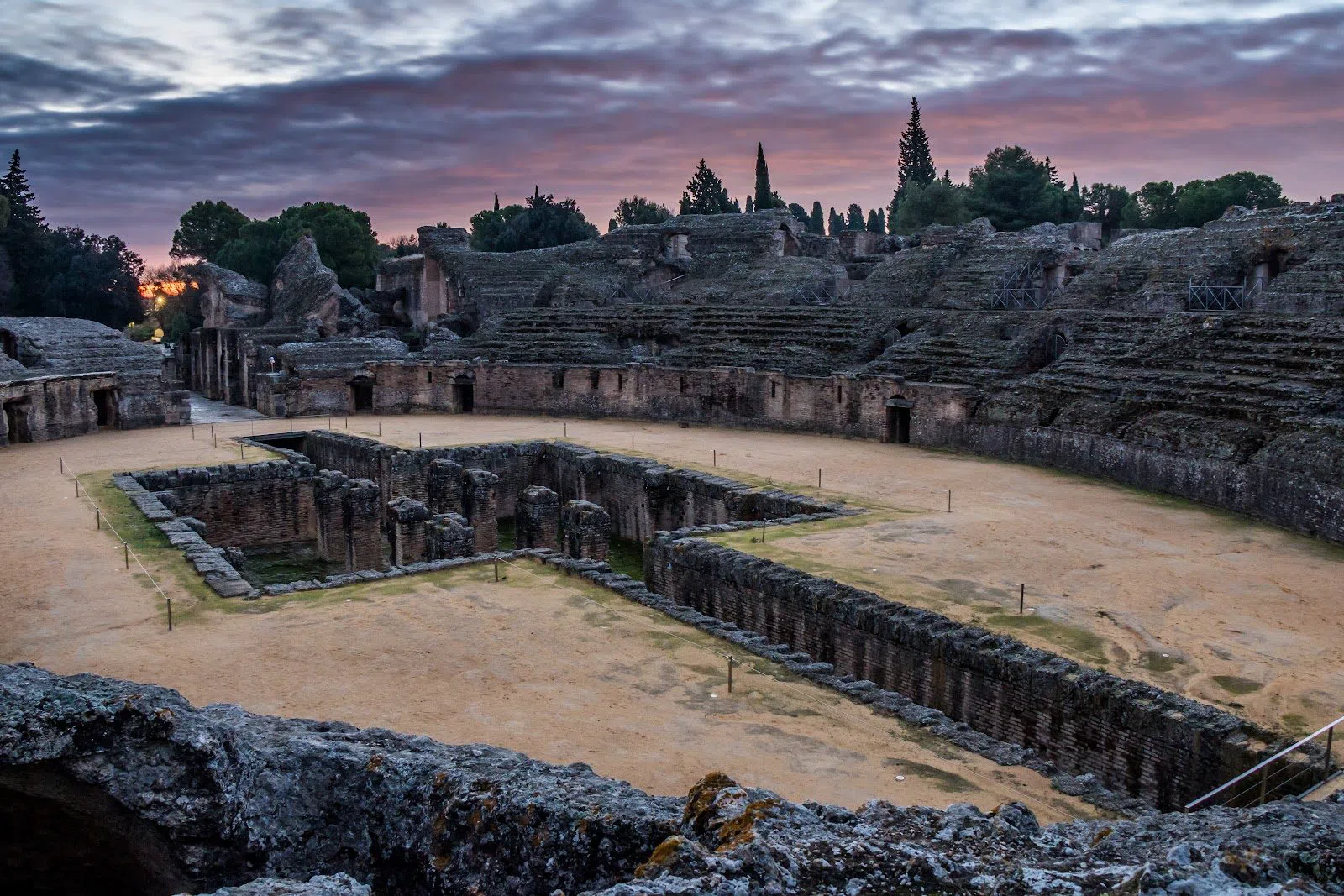
Conjunto Arqueológico de Itálica (a short bus ride north-west of the centre, from Plaza de Armas) is a Roman city with an amphitheatre built for 25,000 and almost no shade whatsoever. From 1 June to 15 September it closes at 15:30 Tuesday to Saturday, which conveniently forces the right decision: go on the first bus and be finished by eleven. Entry is €1.50, free for EU residents, and groups of ten or more must reserve ahead, while individuals just walk up. The mosaics are at exposed floor level, the walking is on gravel and broken paving, and there is no café culture at the gate to rescue you. Hat, a litre of water, done before the heat lands.
Where to spend the hours nobody should spend outside
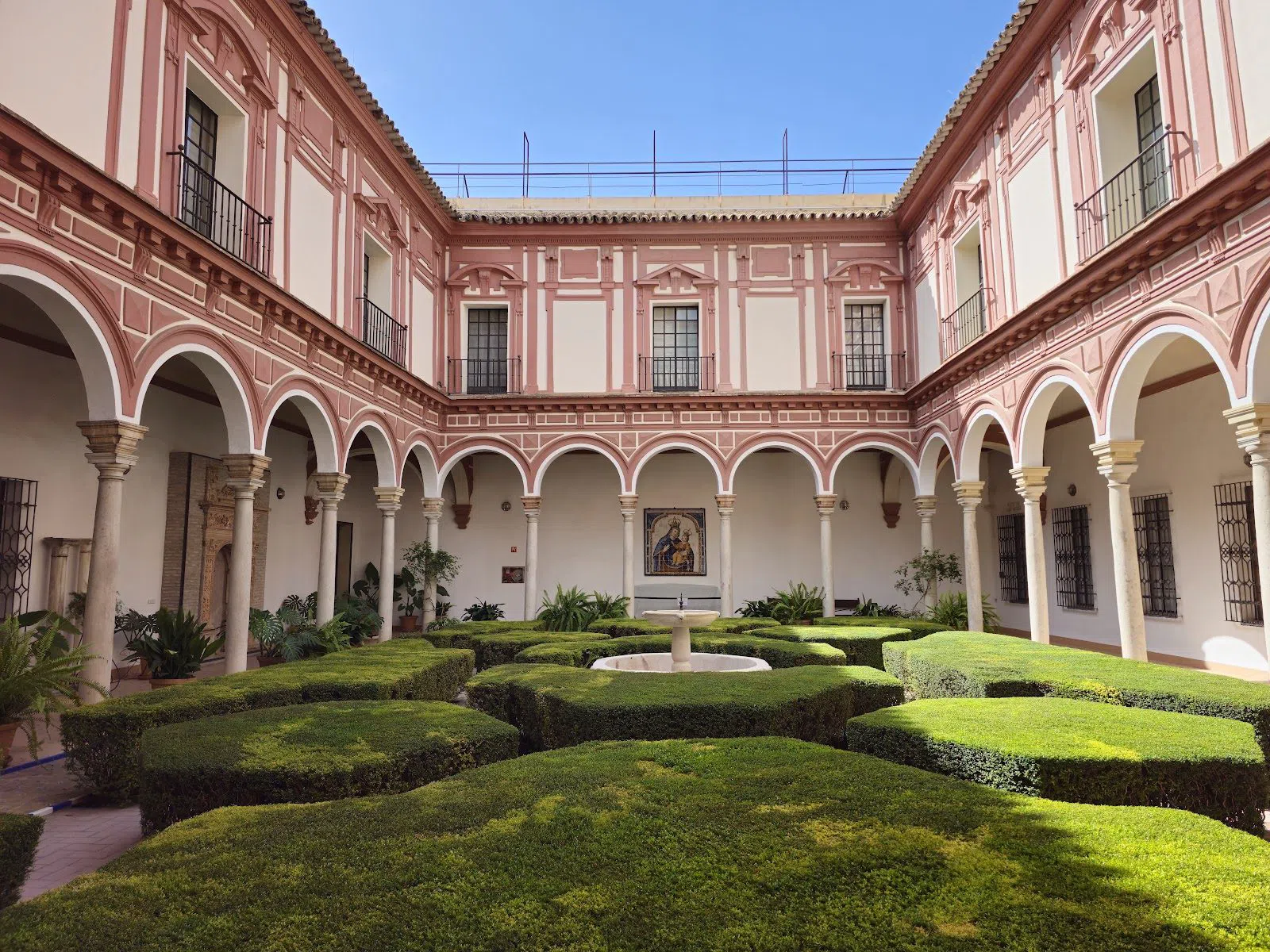
Museo de Bellas Artes de Sevilla (Plaza del Museo, El Arenal) is Spain's second picture collection housed in a former convent, and the convent is the point: metre-thick walls, cold cloisters, complete quiet. Admission is €1.50, free for EU citizens with ID, which makes it the cheapest air conditioning in the city. Two catches: it closes Mondays, and for the whole of August the hours shrink to 9:00 to 15:00, shutting exactly when you most want it. In August, treat it as a late-morning stop instead of an afternoon refuge.
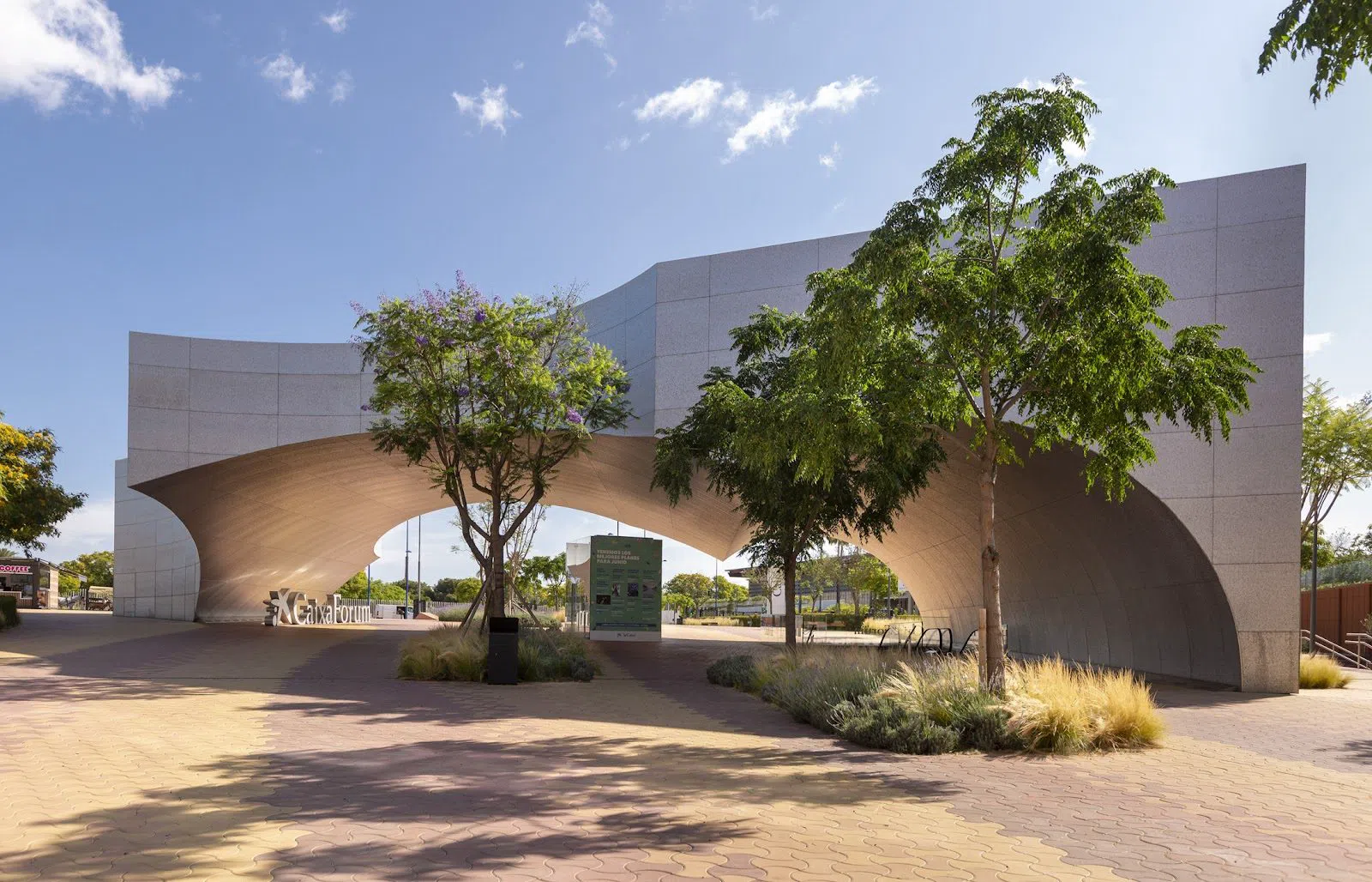
CaixaForum Sevilla (Torre Sevilla, Puerto Triana) is the opposite proposition: modern, purpose-built, and open until 22:00 in summer, which makes it one of very few serious cultural interiors that will still have you at eight in the evening. €6 general, and exhibition access is free Monday to Friday from 14:00 to 18:00 through the summer period with prior reservation, landing precisely in the worst stretch of the day. Reserve it; the free slot is well known.
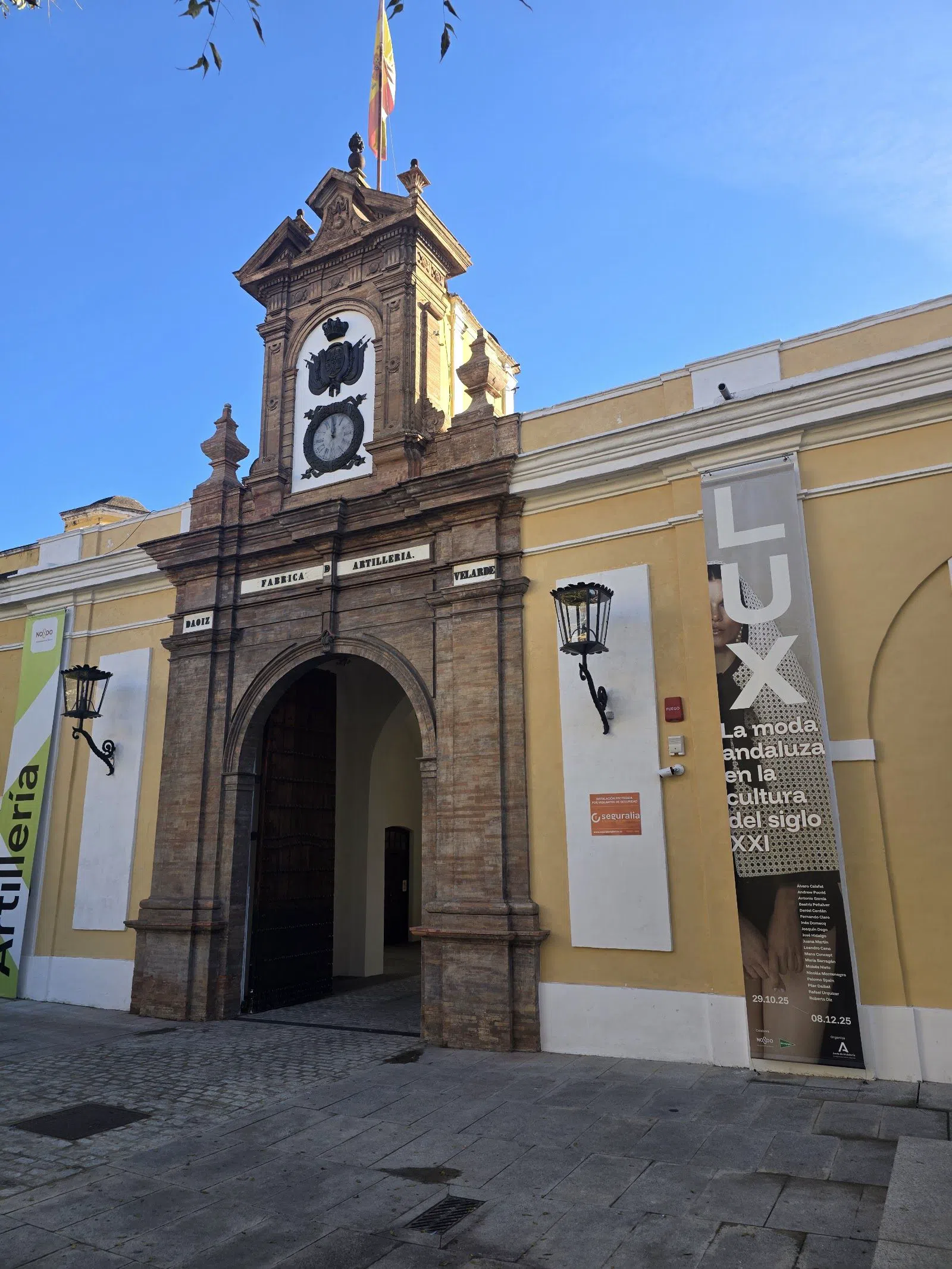
Real Fábrica de Artillería (San Bernardo) is where I send people who have already done the obvious. A vast eighteenth-century cannon foundry, free for current exhibitions, open Monday to Saturday 10:00 to 20:00 and only 10:00 to 14:00 on Sundays and holidays. The industrial naves are so tall and so masonry-heavy that they stay cool with barely any help, and ten of you can stand around in them without touching anyone. Barely on the tourist map, which is exactly its value at four in the afternoon.
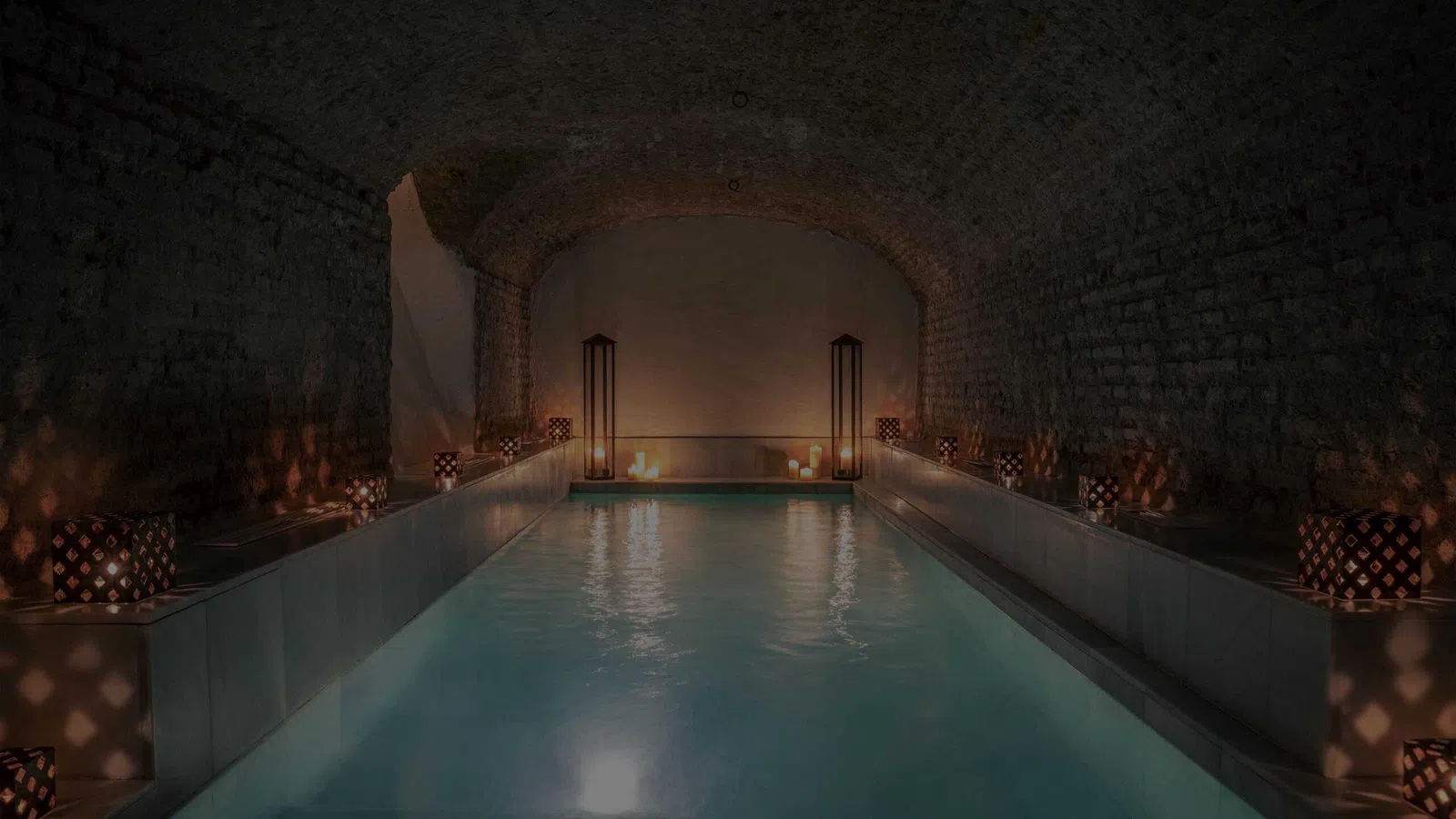
AIRE Ancient Baths Sevilla (Calle Aire, Santa Cruz) is the deliberate way to spend the write-off hours: a candlelit circuit of hot, warm and cold pools inside an old house, open 10:00 to 24:00 and from 9:00 at weekends. Reckon on €50 to €100 depending on the circuit and whether you add a massage. Sessions are timed and capacity-controlled and it is not a walk-in for a group, so book the whole party onto one slot well in advance or you will be scattered across the evening. The Frigidarium resets a core temperature in a way a hotel air-conditioning unit does not.
Lunch when no restaurant will have you
Spanish lunch runs 14:00 to 16:00 and the good places are full of Sevillanos who booked. Turn up at 15:00 as a party of eight in the Santa Cruz lanes and your only takers will be the picture-menu places with photographs of paella by the door and a tout beside them, serving reheated food at inflated prices to people who did not plan.
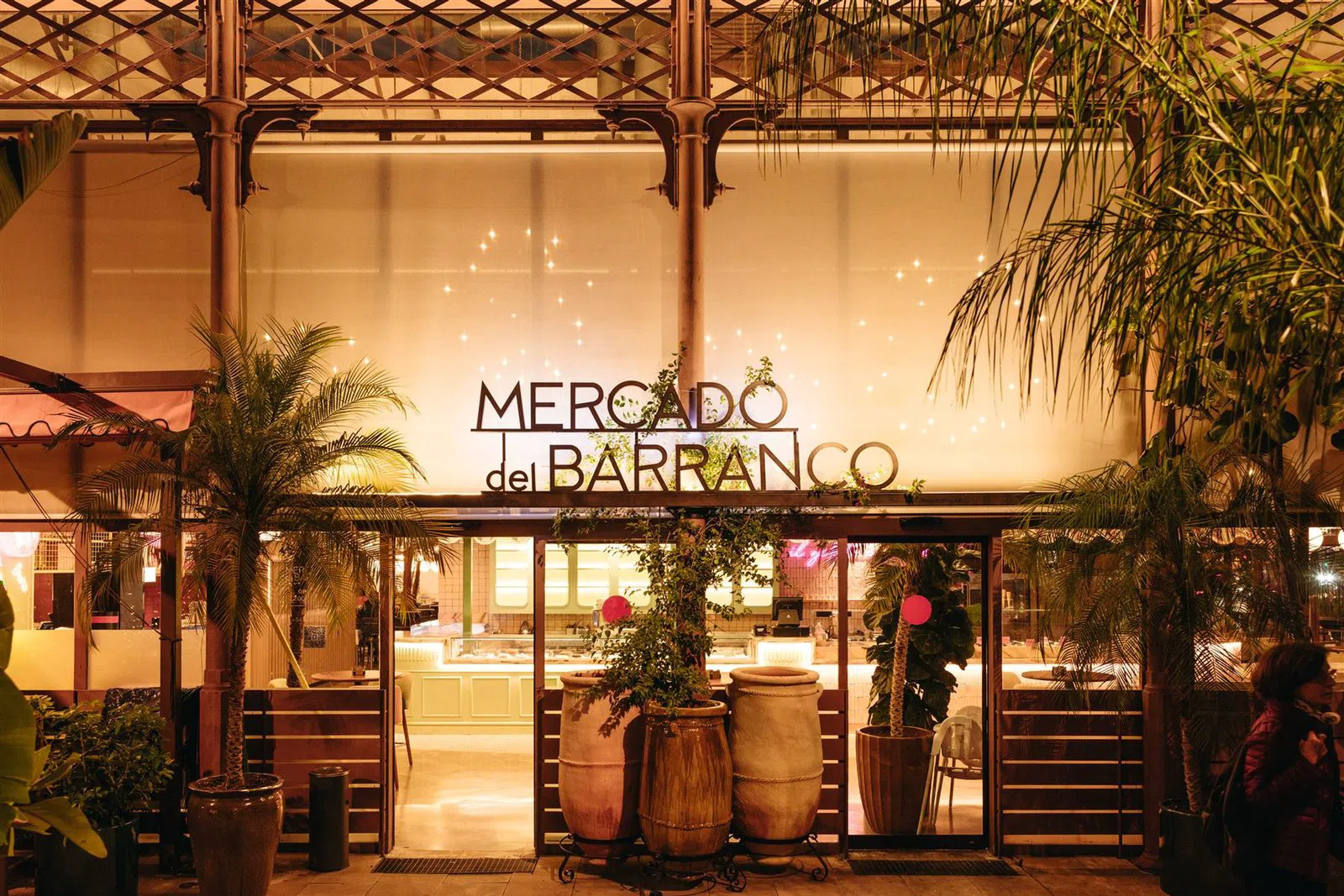
Mercado Lonja del Barranco (El Arenal, on the river by the Triana bridge) is the honest fix. Free entry, no booking, air-conditioned, open 10:00 to midnight and to 2:00 on Fridays and Saturdays. Everyone orders from a different stall and meets back at the table, which is the only civilised way to feed a mixed group. Plates run roughly €4 to €15. A bowl of salmorejo, thicker and far more garlicky than gazpacho, with chopped jamón and egg on top, sits at the low end, around €4 to €6. Tortillitas de camarones, the lacy chickpea-flour fritters shot through with whole tiny shrimp, land nearer €6 to €8. A proper plate of jamón ibérico runs to €12 to €15. The order most visitors skip because they do not recognise it is cazón en adobo, dogfish marinated in vinegar, cumin and paprika, then fried. Ask for it. The beer comes small and cold and constant, which in August is not a vice.
Water is a plan, not a treat

Isla Mágica with its Agua Mágica water park (Isla de la Cartuja) is the unglamorous correct answer for families and larger parties on a 42°C afternoon, and I am not going to pretend otherwise. Roughly €25 to €35 per adult depending on park and ticket type, with group rates and combined tickets available. Isla Mágica runs 11 April to 8 November; Agua Mágica runs 30 May to 13 September and now has its own separate entrance, so in 2026 the water side works as a standalone half-day rather than an add-on. Go in the afternoon and let the theme-park half go.
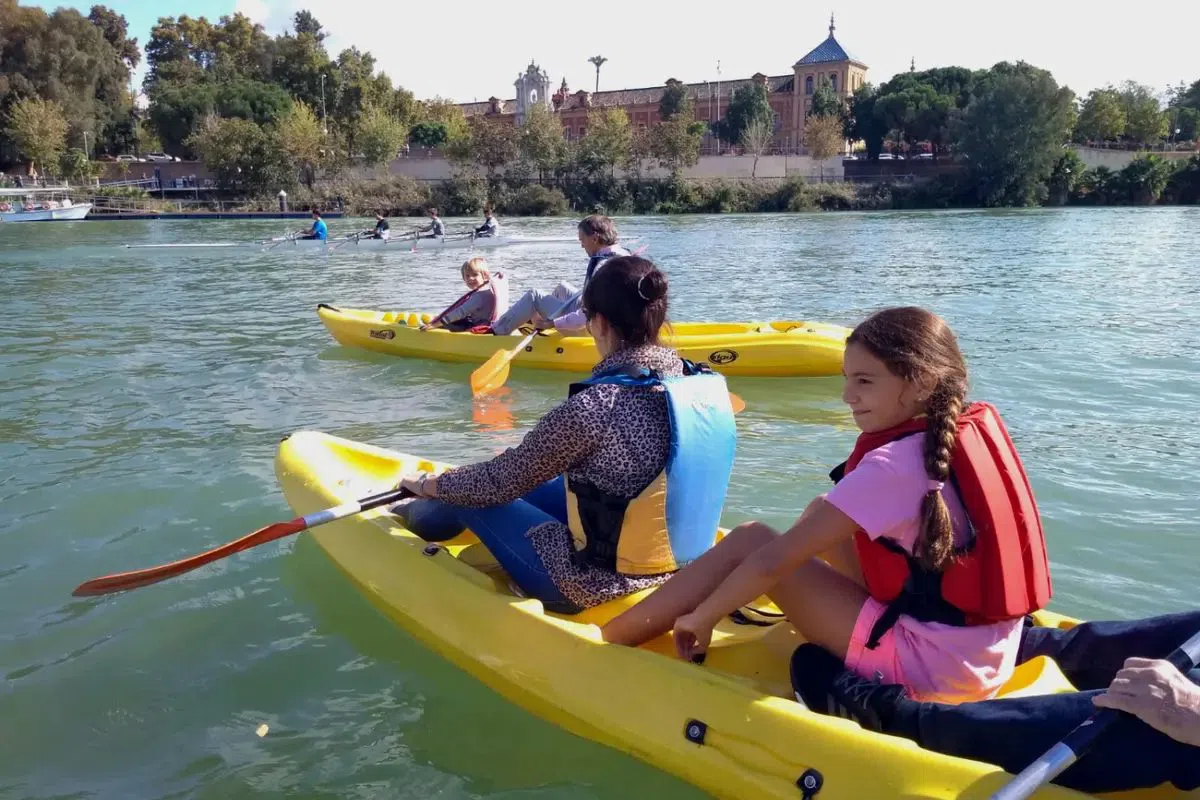
Naturanda (departures on the Guadalquivir) runs kayaking on the river that cuts straight through the middle of the city, and the air immediately above that water is the coolest air in Seville. Around €30 to €40 per person, private and group departures both available, contactable 08:00 to 22:00. A late-afternoon paddle turns the worst part of the day into the best part of it, passing under the bridges with the light going gold on the water. Evening slots need booking ahead in high season, and summer schedules shift with the light, so confirm your departure time directly rather than trusting a listing.
The city reopens at seven
Palacio de las Dueñas (Santa Catalina, off Calle Feria) stays open 10:00 to 20:00 through the summer, which makes it the one great house you can visit late. The planting is dense enough to give real shade rather than the nominal kind, and the audioguide is app-based so a group self-paces instead of clustering around one leader. €12 general, under-6s free, free on Mondays from 16:00.
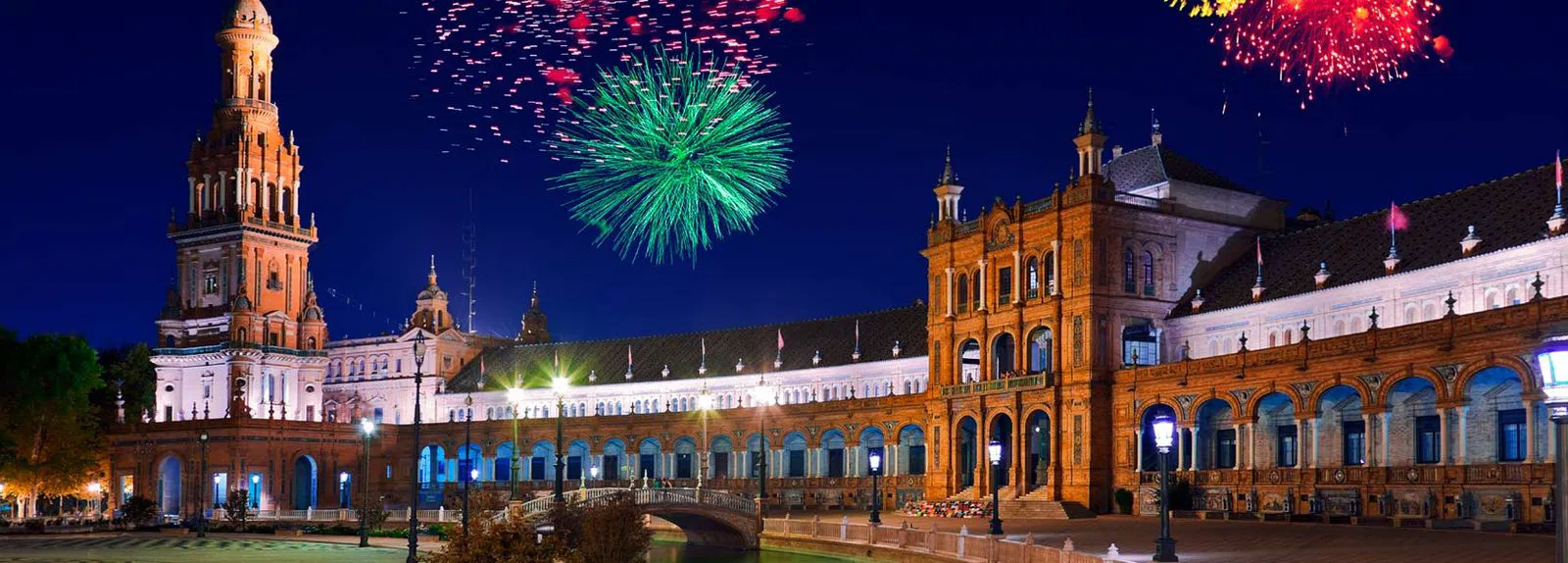
Plaza de España & Parque de María Luisa (El Porvenir, south of the centre) holds the deepest natural shade in the central city under its mature ficus canopy, and the plaza faces west, so the tilework goes amber at the end of the day. Go at 8:00 or after 19:00 and skip the exposed middle entirely; there is no shade at all on the plaza floor. It is free at present, though the city has announced a tourist charge of around €4 with access control and has repeatedly deferred implementation, so check before you rely on free entry.
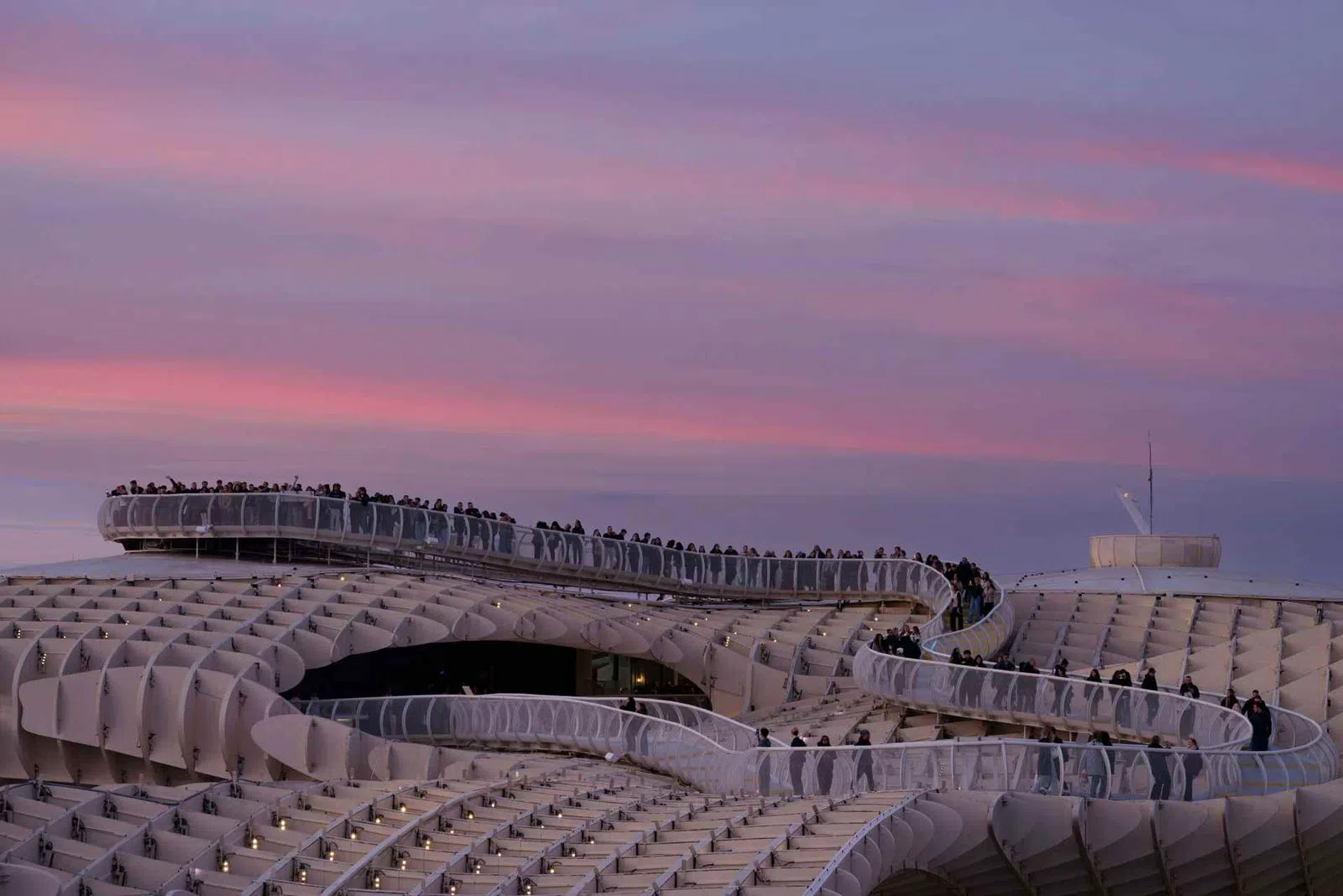
Setas de Sevilla (La Encarnación) is planned backwards by almost everyone. The rooftop walkway is open until roughly 23:00 and past midnight at weekends, so treat it as a night attraction: the timber lattice against a lit sky, the cathedral picked out to the south. €15 to €18 per adult. The walkway is one-way and narrow, so a party strings out single file rather than gathering. Agree a meeting point at the exit before you go up.
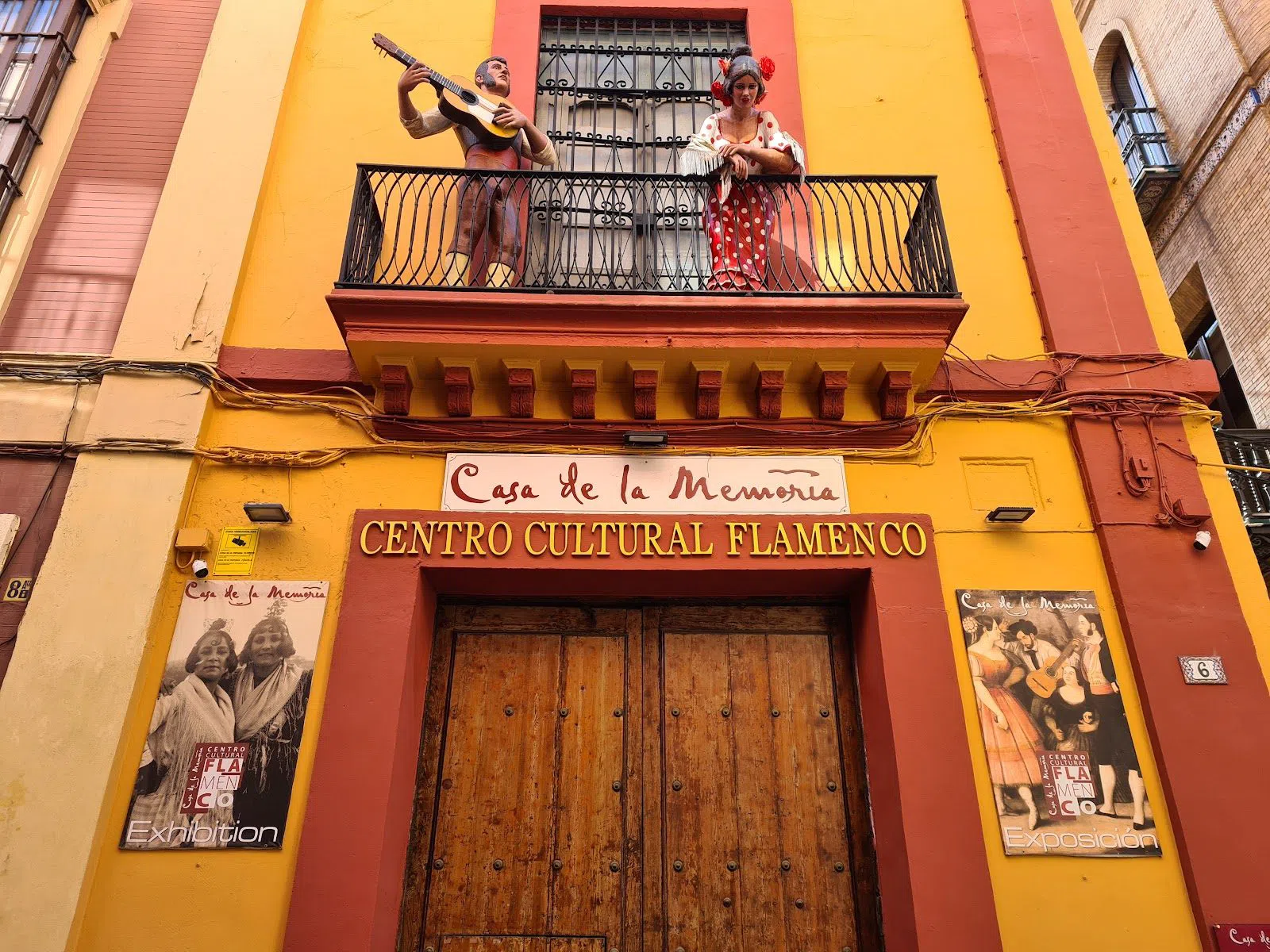
Casa de la Memoria (Calle Cuna) is for people who want flamenco rather than a dinner show. Performances run through the evening from 16:30 to 22:30 in a small room with no PA, so you hear the heel-work and the breath rather than a speaker. €20 to €25 per person. The room is genuinely small, so groups must book ahead; it is wheelchair accessible and not recommended for under-6s. The 21:00 or 22:30 slot fits a day built around avoiding daylight.
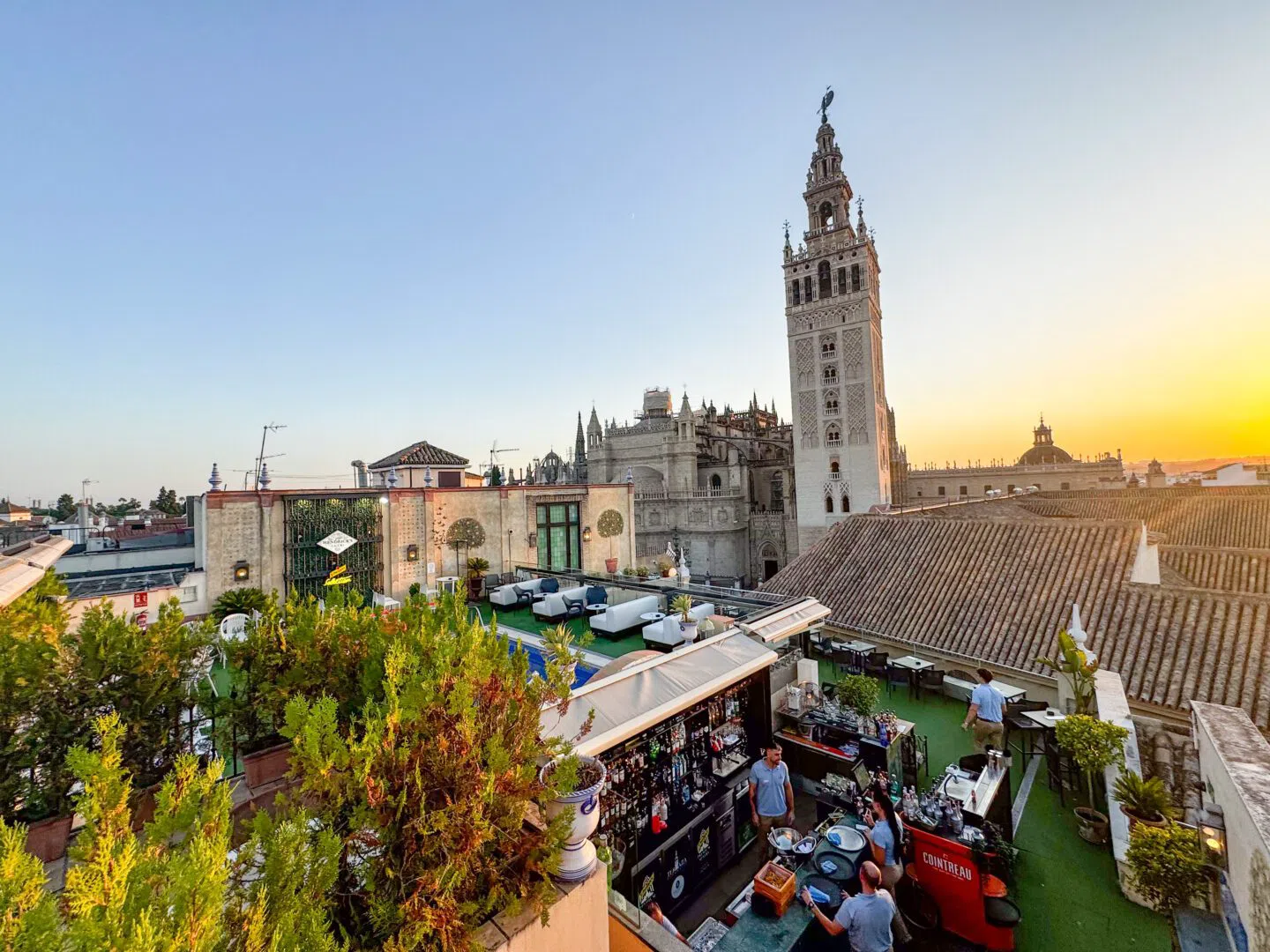
Terraza Doña María (Santa Cruz) is one of very few central rooftops that genuinely admits people who are not staying in the hotel. The terrace bar is open to the public daily 13:00 to 01:00, drinks roughly €8 to €15, and the Giralda is close enough to feel oversized. The pool, though, is strictly for hotel guests. No hotel on this stretch sells a pool day pass, whatever a listing implies, so a group can drink up there but not swim.
Groups, doors and what actually gets refused
Couples can improvise in Seville in summer; parties of six or more cannot. The hard bookings are the Alcázar (per-person timed slots against a 750-person cap), the Giralda (separately timed, so expect to be split), AIRE (one slot, well in advance), Casa de la Memoria (small room), Naturanda evening departures, and Itálica if there are ten or more of you. The group-proof options are Mercado Lonja del Barranco, Real Fábrica de Artillería, Plaza de España, Casa de Pilatos and Isla Mágica. Casa de Pilatos and the Giralda both split parties on internal timers even after you are through the door, so nominate a rendezvous rather than assuming you stay together.
Practical notes
Getting around. The old centre is walkable and largely pedestrianised, but distances that look trivial on a map are not at 41°C, so allow a third longer and route yourself along the shaded side. Buses and the metro are air-conditioned and worth taking for anything over fifteen minutes, and a short taxi across the centre costs a few euros well spent in the afternoon. Skip the bike-share between noon and seven; there is no shade on a bicycle.
Money. Cards work nearly everywhere, market stalls included, but carry €20 to €30 in coins and small notes for bus fares, kiosks and the occasional stall with a minimum. Museum entry here is absurdly cheap, €1.50 twice over at Bellas Artes and Itálica, so the budget goes on the Alcázar, flamenco and anything involving water.
Timing. Shops shut roughly 14:00 to 17:00. Dinner starts at 21:00, and a 20:00 booking marks you out. Nothing outdoors is a good idea between 14:00 and 19:00, and the most useful habit of the whole trip is booking tomorrow's 9:30 slot tonight.
Budget. A well-run day comes in around €50 to €60 per person: Alcázar at €15.50, a market lunch at €12 to €15, a €1.50 museum through the dead hours, flamenco at €20 to €25 and a rooftop drink at €10. A heat-refuge day built on AIRE or Isla Mágica lands nearer €80 to €120.
Where to stay. Position matters less than the room itself: ask specifically about the air conditioning, whether the window faces a street or an interior patio, and whether there is any shade over the terrace before you commit. See Seville hotel search for what is available across Santa Cruz, El Arenal and the Alameda. For the city on a normal calendar, outside these months, the wider Seville guide covers the rest of the year.
Before you go
Is Seville worth visiting in July and August?
Yes, provided you re-time the day rather than fight it. Mornings until about 11:30 and evenings from 19:00 are genuinely pleasant, the monuments open earlier in summer (the cathedral at 9:30 instead of 11:00), and the city is cheaper and less pressured than in April or May. A standard 10:00-to-18:00 sightseeing pattern does not work, and that is how people end up miserable and out of pocket.
How hot does it actually get, and which hours are the worst?
From mid-June to mid-September the afternoon high sits in the high thirties and regularly clears 40°C. The punishing stretch, roughly 14:00 to 19:00, is later than most people expect, while 8:00 to 11:30 is comfortable and after 21:00 the streets refill. Plan anything roofless (Plaza de España, the Alcázar gardens, Itálica) into the morning and treat the afternoon as indoor or water time.
What time should I book the Real Alcázar in summer?
The 9:30 opening slot, booked online days ahead, one slot per person: capacity is capped at 750 inside at any one time and summer slots sell out. Half the visit is open garden with no shade, so aim to be out by lunchtime. General entry is €15.50, or €21 with the Cuarto Real, and under-13s are free. There is also a free Monday window from 18:00 to 19:00 between April and September, though one hour only buys you a couple of courtyards.
What is actually open during the hot afternoon?
CaixaForum Sevilla runs until 22:00 (€6, with free exhibition access Monday to Friday 14:00 to 18:00 in summer if you reserve). Real Fábrica de Artillería is free and open to 20:00 Monday to Saturday. AIRE Ancient Baths runs to midnight. Mercado Lonja del Barranco is air-conditioned until midnight. Isla Mágica and Agua Mágica cover a whole afternoon for families. Museo de Bellas Artes is the cheapest refuge at €1.50, but it closes Mondays and shuts at 15:00 for the whole of August.
Can I use a hotel rooftop pool without staying there?
Not on this stretch of the centre. Terraza Doña María opens its terrace bar to the public daily from 13:00 to 01:00, with drinks around €8 to €15 and a very close view of the Giralda, but the pool itself is strictly for hotel guests. Listings that suggest day passes are available are not reliable. If you want water in the afternoon, use AIRE Ancient Baths, Agua Mágica or a kayak with Naturanda instead.