The Seville issue
Seville with Children Beyond the Cathedral and Alcázar
River boats, working markets, a camera obscura and the old world's-fair park where Sevillano families spend a Saturday, with the 2026 prices and opening hours that decide how the day runs.
By Camille RousselThe city, barrio by barrio

Seville spent a century building things it no longer needs, and it is children who get the use out of them: a canal dug as ornament for a 1929 exposition and now stocked with rowing boats, a lead-shot tower converted into a dark room where the living city slides across a white dish, a world's fair site that is half theme park and half public wood. The Cathedral and the Alcázar deserve their morning, once. What follows is the other five days, the version of the city that Sevillano families use themselves, with the prices and the opening hours that decide whether a plan holds. If you want the standard first-timer's route through the monuments, it is in the Seville guide; this is the parallel city that runs alongside it.
Two boat rides that cost less than lunch
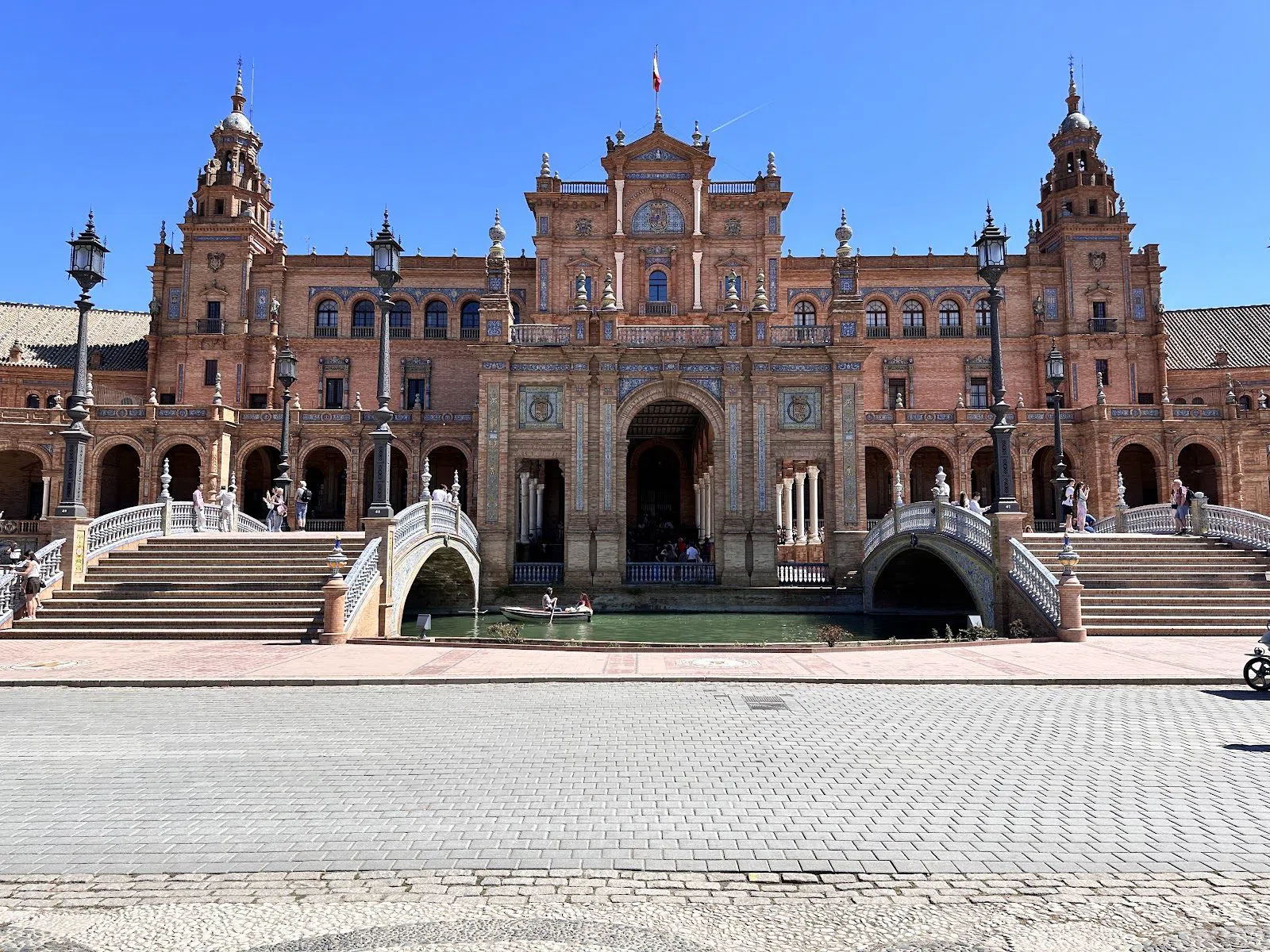
Barcas de la Plaza de España (Parque de María Luisa) is the only part of Aníbal González's vast 1929 plaza that turns a photograph into an activity. The canal was cut as decoration for the Ibero-American Exposition and now carries rowing boats under the tiled bridges: €6 for thirty-five minutes, maximum four people, plus a €4 deposit you get back, or €10 for an hour and ten. There is no booking and no list. The kiosk stands on the plaza itself (626 19 75 23), hires run 10:00 to 22:00 daily, and the last boat goes out at 20:30. Two honest cautions. The rowing is real rowing, and doing it in September sun with a five-year-old trailing a hand over the side is a workout you should choose on purpose rather than discover. And anything bigger than a single family wants the motor boat instead (€12 for fifteen minutes, twelve seats), which means a party of twenty splits across two boats and takes turns rather than travelling together. The canal is suspended each early summer for the Icónica concert season, which in 2026 ran from 30 May to 20 July; from autumn it is clear.
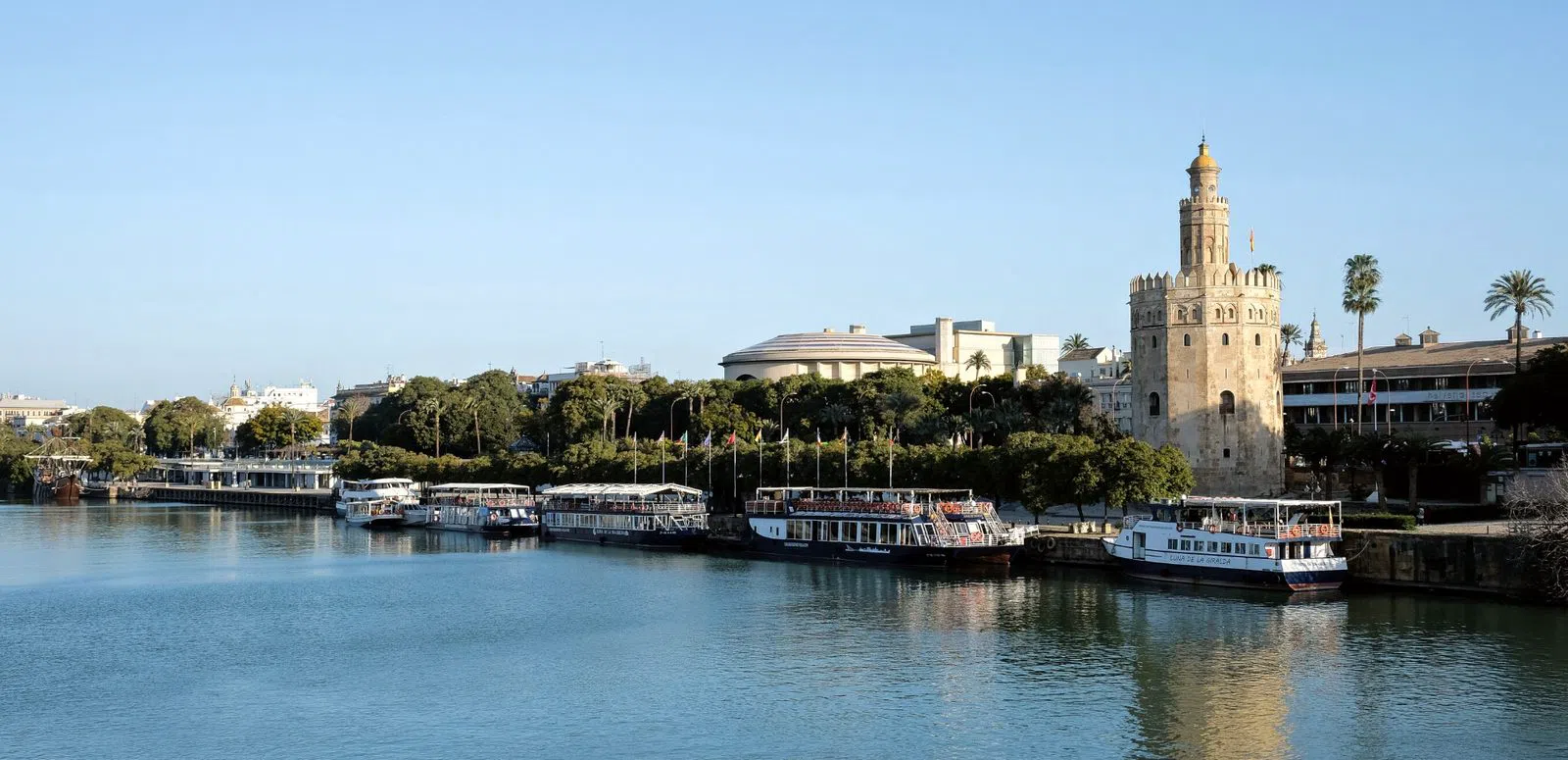
Cruceros Torre del Oro (El Arenal) departs hourly from the quay beneath the thirteenth-century Almohad watchtower that gives the company its name: one hour on the Guadalquivir with a multilingual audioguide, €23 at the desk, from about €15.65 if you book online. The detail that matters for families is the child policy, because up to two children aged 0 to 12 travel free with each paying adult, which makes an hour on the river one of the better-value outings in the city rather than the tourist tax it looks like. The commentary is written for adults and your children will ignore most of it; what they get is a seat, a breeze, and the bridges from underneath. Families do not need to reserve. Coach-sized groups can and should book online, because capacity is real but finite. From October to April the last sailing leaves at 19:00 instead of 22:00, so an after-dinner cruise is a summer idea only.
Plan your Seville trip
Live prices from our booking partners.
Free cancellation on many rooms. We may earn a commission when you book.
The Cartuja still runs on a world's fair
The island north-west of the centre held Expo '92, and thirty-four years later it is still where the city puts things that need space. Isla Mágica (Isla de la Cartuja) opened on the site in 1997 with a theme drawn from sixteenth-century Seville and the voyages to the Americas, and it is a proper full-day park rather than a fairground. Gate prices are €35 adult and €23 child; booked online in advance they fall to roughly €26.90 and €20.90, which is a large enough gap to be worth ten minutes on your phone the night before. Children under 90 cm go free, and beyond height limits on individual rides there is no admission policy to negotiate; large parties and schools go through the Grandes colectivos desk at [email protected]. The calendar is the trap. The 2026 season runs 11 April to 8 November, but from September the park drops back to weekends and public holidays only, so an October visit has to be planned around the published calendar rather than turned up to on a Tuesday. Agua Mágica, the water park half, closes for the year after 13 September. If the children are coming for slides, that date is the whole decision.

Pabellón de la Navegación (Isla de la Cartuja) is one of the surviving Expo pavilions, a long brick-and-glass shed by Guillermo Vázquez Consuegra facing the river, and inside it is interactive naval history: how ships were built, provisioned and navigated out of this port. Admission is €6 general, €4 reduced for under-14s, students, over-65s and groups of twenty or more, and free for under-5s with an adult. Its glass lift tower over the water is the reward at the end, but it runs on its own restricted slots rather than the museum's full hours, so ask at the desk on arrival rather than assuming. It is closed on Mondays. Family workshops are programmed regularly, and there is a combined-ticket discount if you have already done the aquarium or the science museum, which is worth remembering before you pay twice.
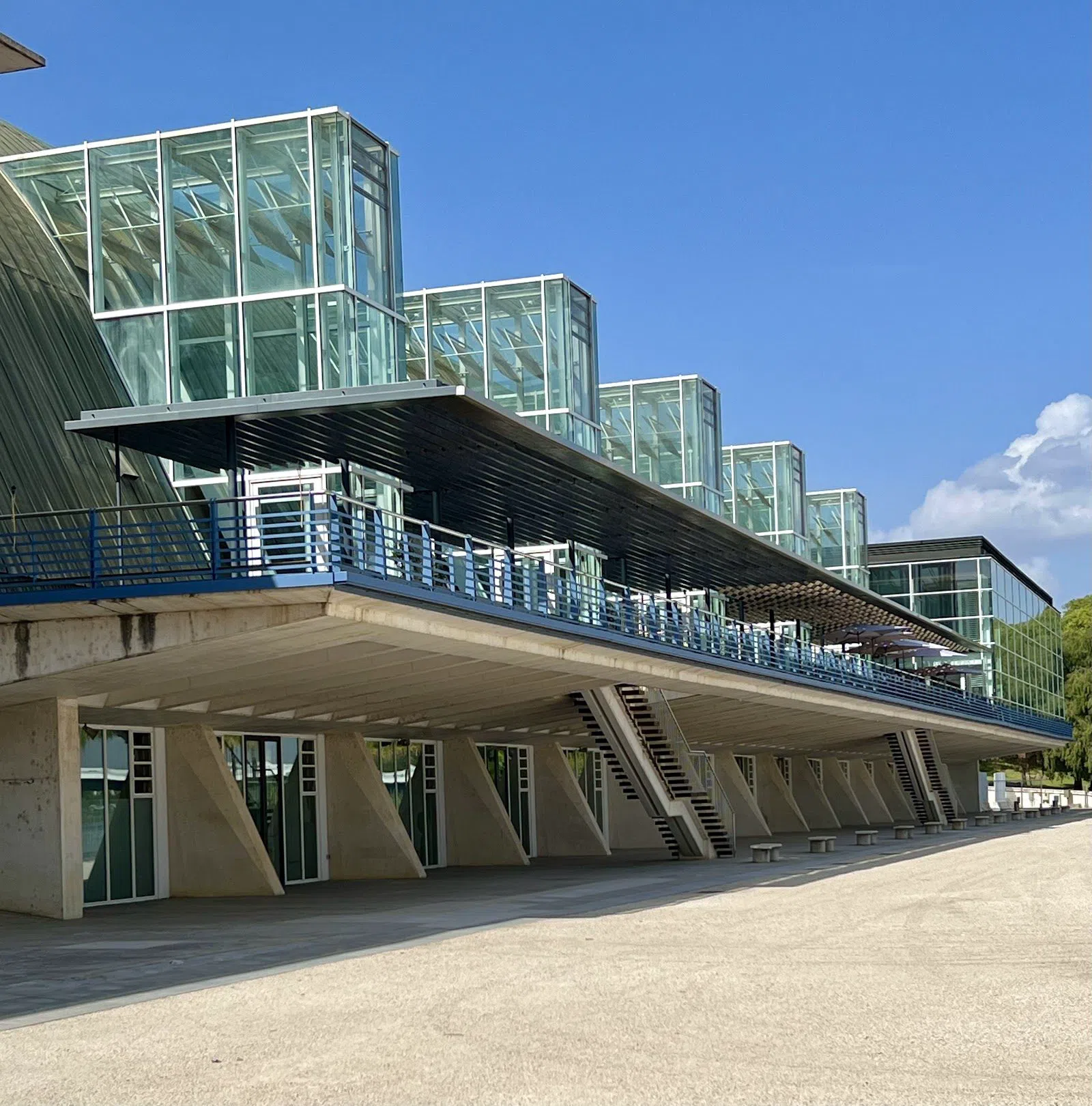
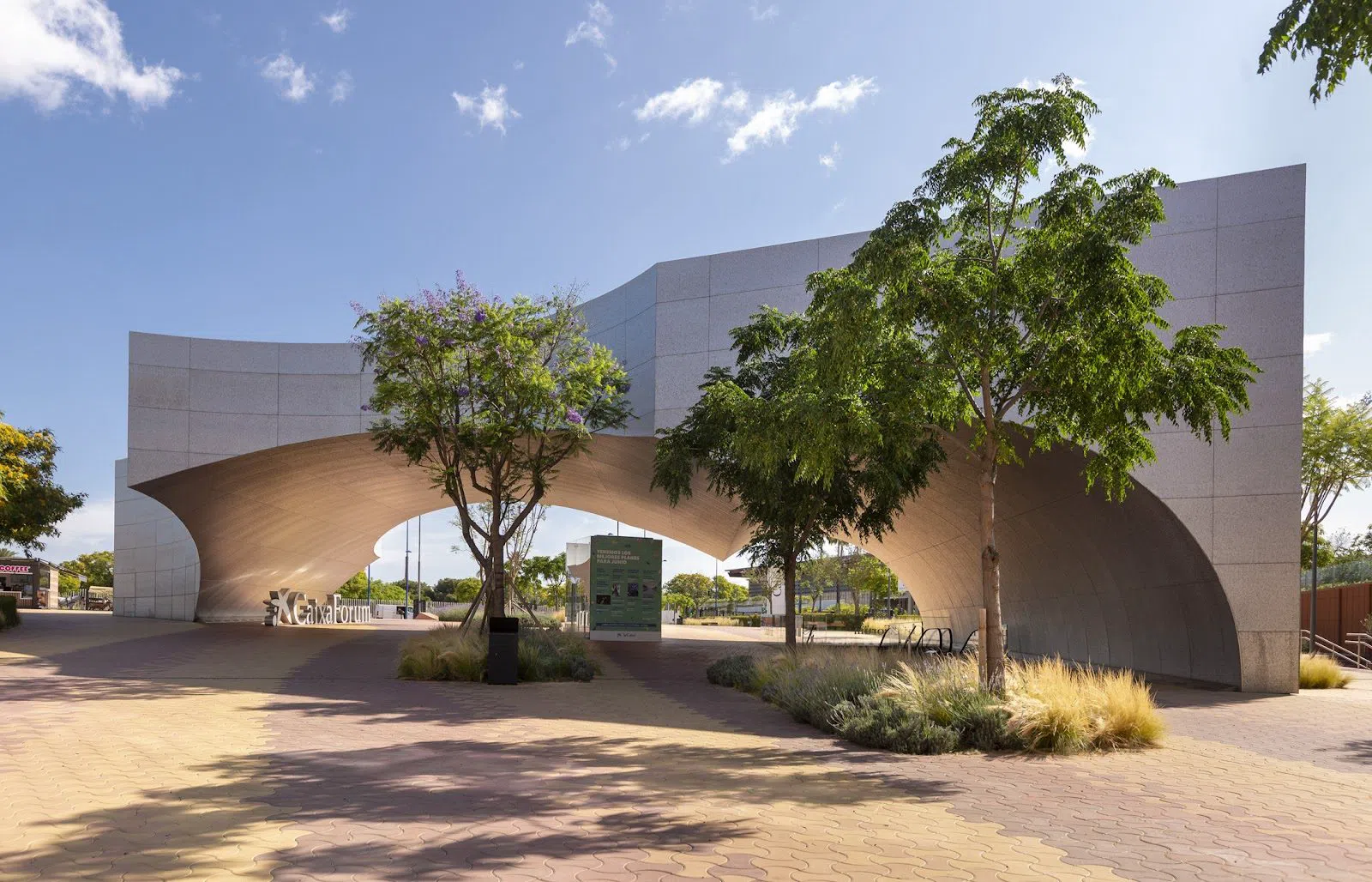
CaixaForum Sevilla (Torre Sevilla, Isla de la Cartuja) is the other reason to cross the bridge. Entry is €6 for adults and free for every child under sixteen, and the family programme is properly constructed rather than a colouring table at the back of a gallery: the 2026 run includes a dinosaur reconstruction workshop and a guided family visit, with workshops costing a few euros on top of the ticket. It is air-conditioned, open daily, and walk-in for the exhibitions; schools go through the EduCaixa programme and family workshops are bookable. Check what is on before making the trip out, because the building is worth nothing to a child on a changeover week between shows.
Where Sevillano families spend their Saturdays
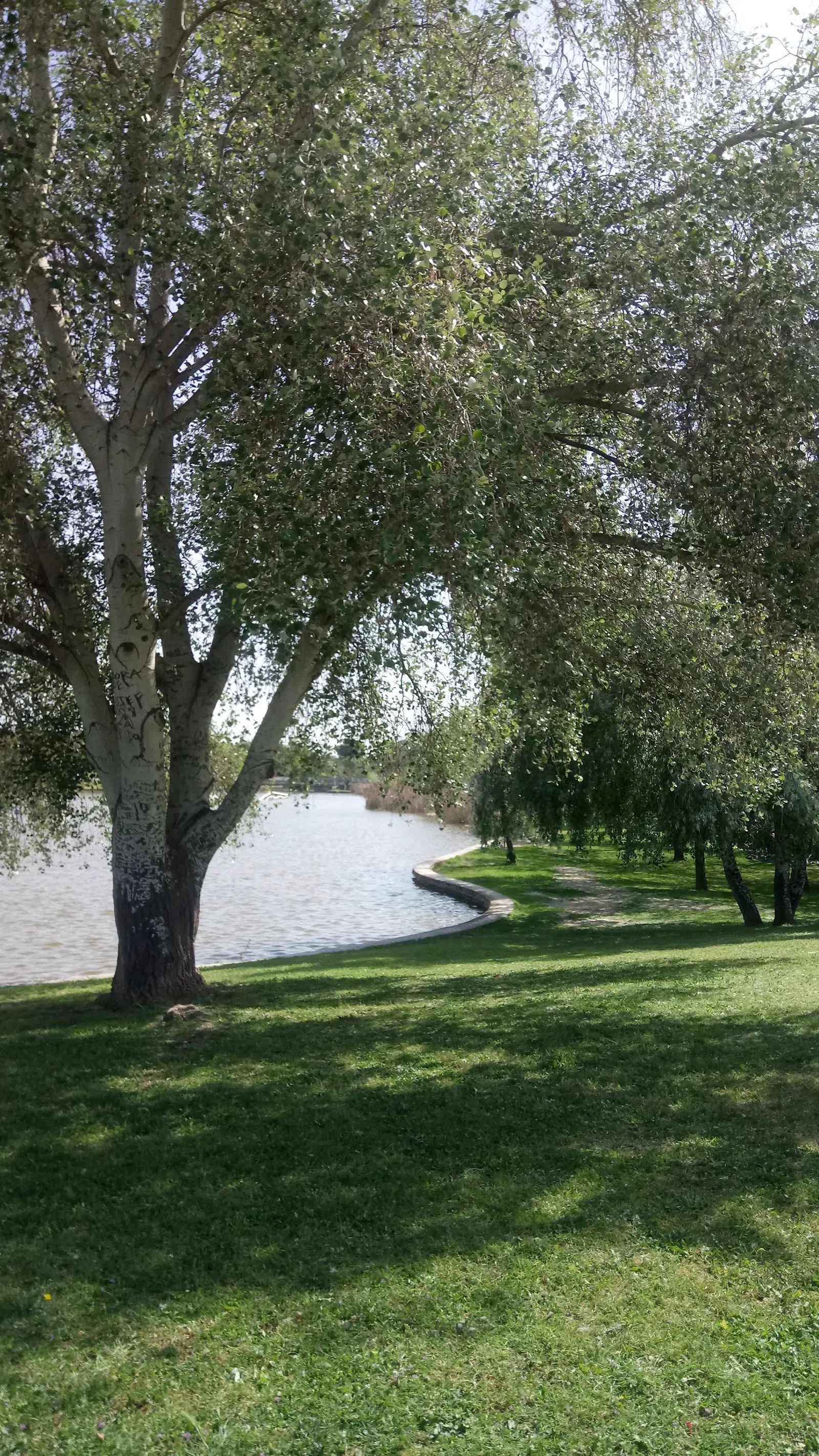
Parque del Alamillo (San Jerónimo, at the northern end of the Cartuja under Calatrava's 1992 bridge) is the honest answer to where local families go, and almost no visitor finds it. It is 120 hectares of planted shade left over from the Expo landscaping, with a botanical trail, a skating area, a municipal nursery you can arrange to visit, and enough space that a child can be sent to run without being watched every second. None of it is ticketed. Cycle and pedal-kart hire costs a few euros and runs Friday to Sunday and public holidays, 10:00 to 20:00, which is the one scheduling detail to check before you build a morning around wheels. Birthday parties, orienteering circuits and nursery visits are all bookable on 955 516 141. Bring water and food; this is a park, not an attraction, and that is precisely its value on day four when everyone is tired of being told what they are looking at.
Rooms with the heat shut outside
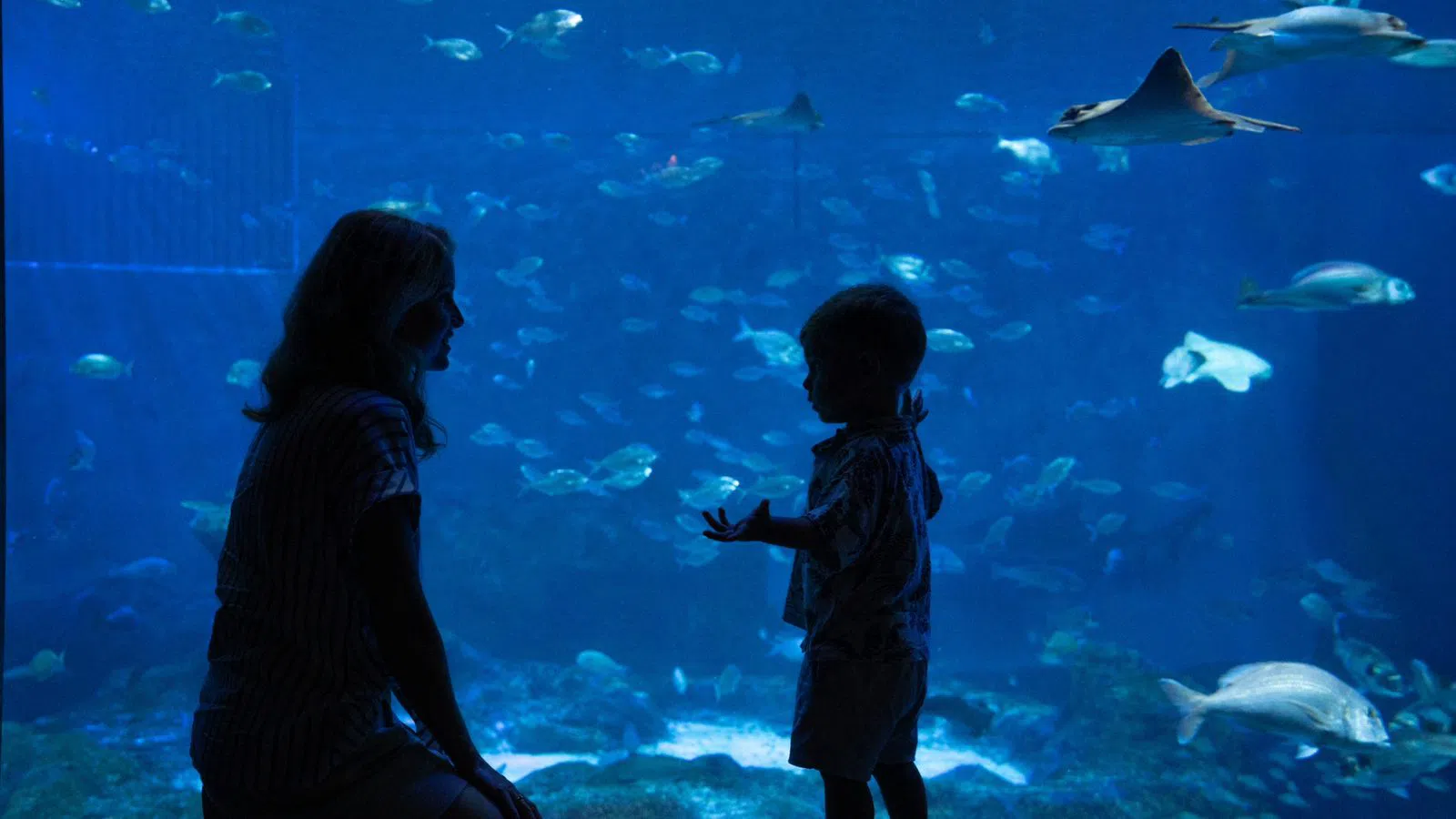
Between two and six in the afternoon, from May well into October, the sensible plan is indoors. Acuario de Sevilla (Muelle de las Delicias, on the river below Puerta de Jerez) is the most reliable of these: air-conditioned, open every single day of the year including holidays, and comfortably done in half a morning. Tickets are €18 adult, €13 for children aged 4 to 14, free under four, and there is a family pack for two adults and two children at €49. Groups of twenty or more pay €12 and €8 but must arrange it at least a week ahead through [email protected], and the chaperone ratio is one free adult per fifteen students, per ten for infants. From September through June it closes at 18:00 on weekdays and 19:00 at weekends, with last entry an hour before, and the mistake is arriving at five and being turned away.
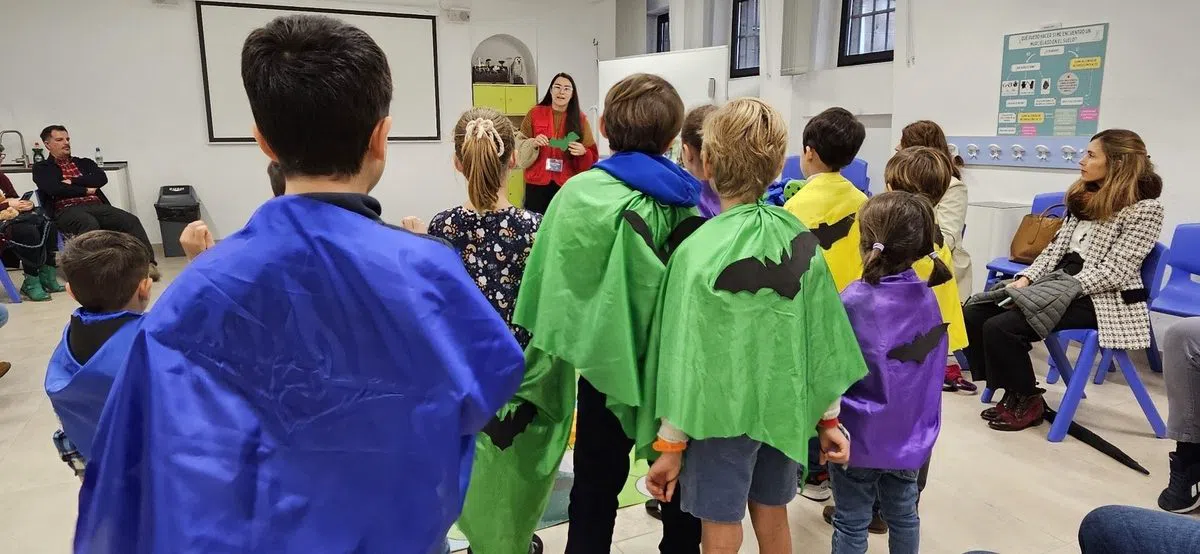
Museo Casa de la Ciencia (Porvenir, in the 1929 Peru Pavilion on the edge of the María Luisa gardens) is the cheapest serious indoor hour in Seville: €3 general, €2 reduced, €3 for the planetarium alone, €5 for both, €7 for entry plus a workshop, free under three. The planetarium runs sessions written specifically for under-tens at weekends at 11:00, 12:00, 13:00, 17:00 and 18:00, and they are the reason to come. One caveat that will decide your day: the museum shut on 28 June 2026 to install new exhibitions on its usual summer cycle, so confirm the autumn reopening date on the phone (+34 954 23 23 49) before you walk over. Groups of ten or more get a reduced rate and workshops are bookable by phone or at [email protected].
Torre de los Perdigones (north of the Alameda, on the Macarena side) is the single best four euros you can spend with a child in this city, and I mean that arithmetically rather than as praise. It is a nineteenth-century shot tower (molten lead was dropped down the shaft into water to form pellets) and it now houses a working camera obscura. In a dark room at the top, a lens throws the living city onto a white dish: traffic on the Alameda, laundry moving on a roof, someone crossing a bridge, all in real time, while a guide talks over it. Children who have been dragged round three churches sit down and go quiet. Adults pay €4, children up to twelve €2.50, and the viewpoint alone is €1.50. Capacity is tiny and visits run in timed slots roughly every forty-five minutes, so any group has to split and book ahead on 679 091 073. Ring first regardless: third-party listing sites have carried stale 'temporarily closed' flags for this place, and people give up on it for no reason.

Markets that settle the argument about lunch
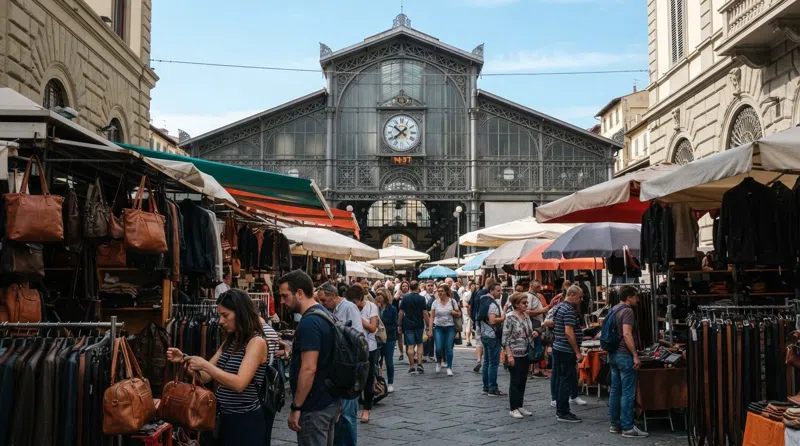
Mercado de Triana (Triana, at the western foot of the Isabel II bridge) stands on the ruins of the Castillo de San Jorge, which was the seat of the Inquisition before it became a market in the nineteenth century; the excavated foundations are still underneath. It is a working neighbourhood market rather than a curated food hall, and that is the entire point: at nine in the morning children can stand and watch a fishmonger break down a tuna, which holds attention longer than any interactive screen. Retail stalls trade Monday to Saturday, 09:00 to 15:00; the bars keep going until midnight, and on Sundays the place opens only from 12:00 to 17:00. Walking in is free, tapas and raciones run roughly €3 to €12, and the bars inside seat small groups only, so a party of fifteen will end up standing in three places. Cookery and tapas classes run out of the market and do take booked parties.
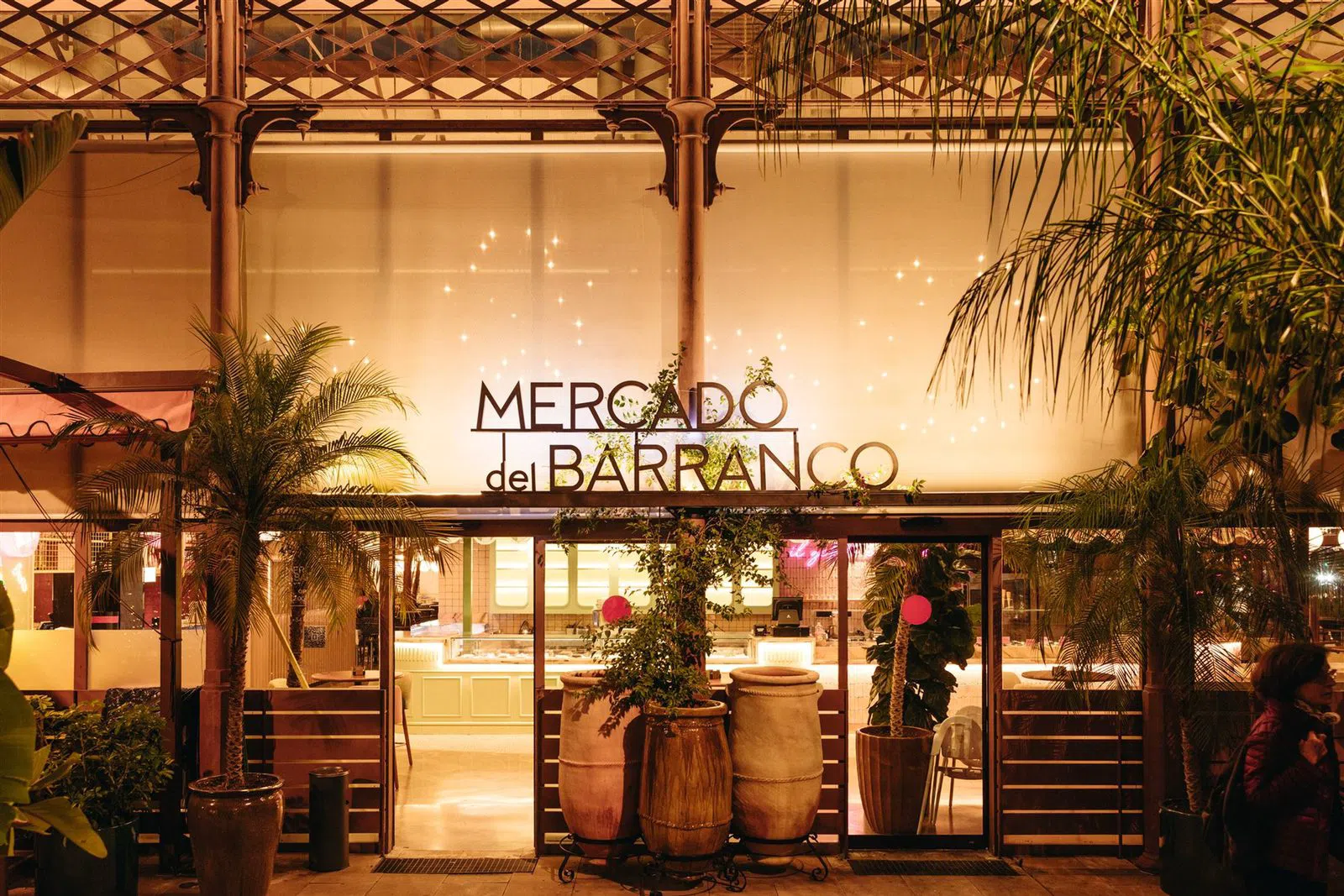
Mercado Lonja del Barranco (El Arenal, on the river bank by the same bridge) is the opposite proposition and useful for the opposite reason. The iron-framed nineteenth-century fish market was restored into a food hall a decade or so ago, and its twenty-odd counters mean the fussy six-year-old, the teenager who wants a burger and the adult who wants oysters all get fed at the same table without anyone compromising. Entry is free, plates run roughly €5 to €15, and it is open 10:00 to midnight, until 02:00 on Fridays and Saturdays. Long communal tables suit groups well, and the sit-down side takes Resy reservations if you are more than a handful of people at a busy hour.
Two reasons to leave the ring road
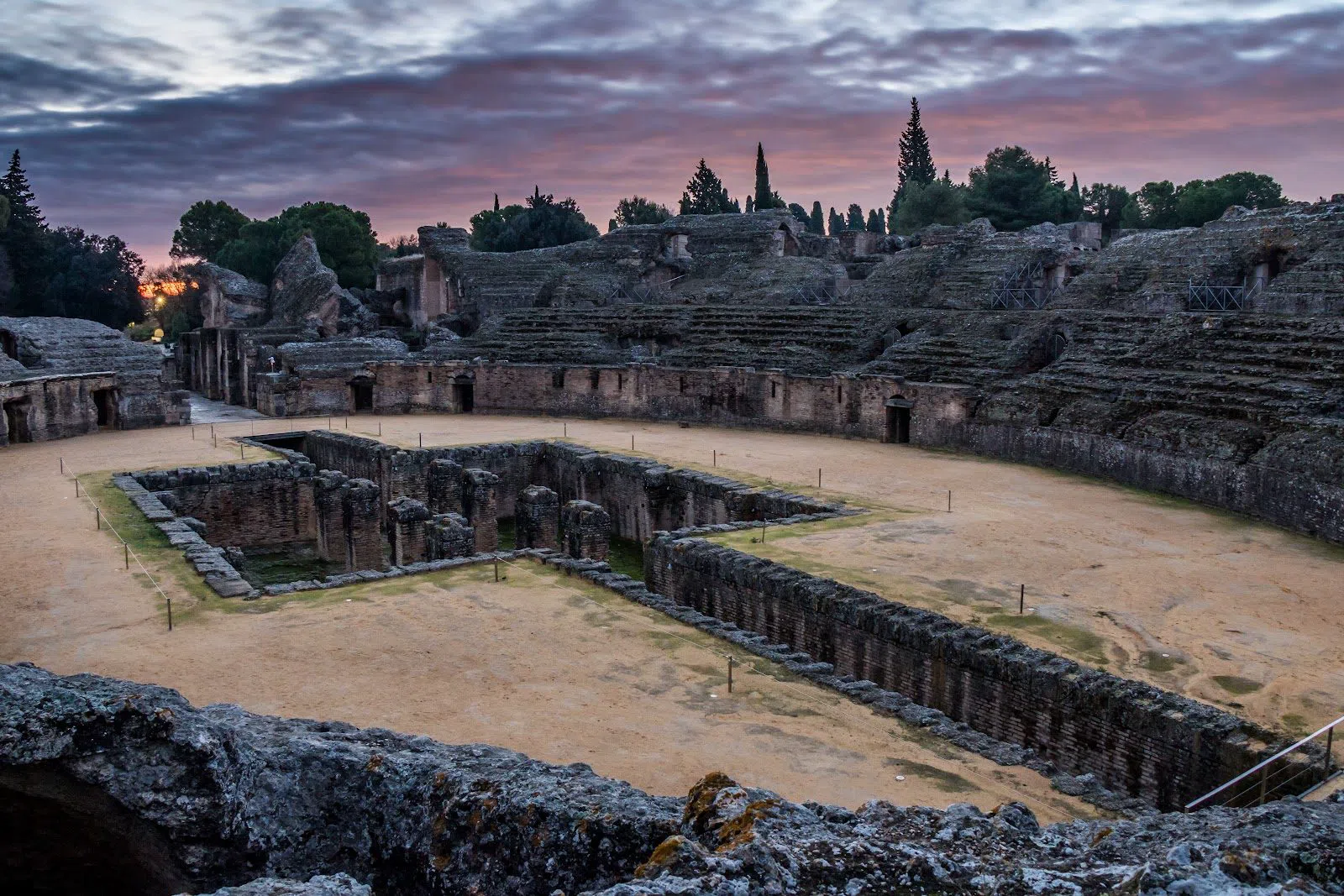
Conjunto Arqueológico de Itálica (Santiponce, nine kilometres north-west) costs €1.50, which is less than the coffee you will want afterwards. Founded in 206 BC for Scipio's veterans, it was the home town of the emperor Trajan and of Hadrian's family, and its amphitheatre held 25,000 people. Children can walk down into the arena and stand in the middle of it, which is a different order of experience from reading a panel behind a rope; older ones may recognise it from television, as the amphitheatre has been used as a filming location. The M-172 bus goes out from the centre. Individuals just turn up; groups of ten or more must reserve in advance. Two hard constraints: it closes at 15:00 on Sundays and public holidays, and there is almost no shade anywhere on the site, so this is a first-thing-in-the-morning trip in anything warmer than March.
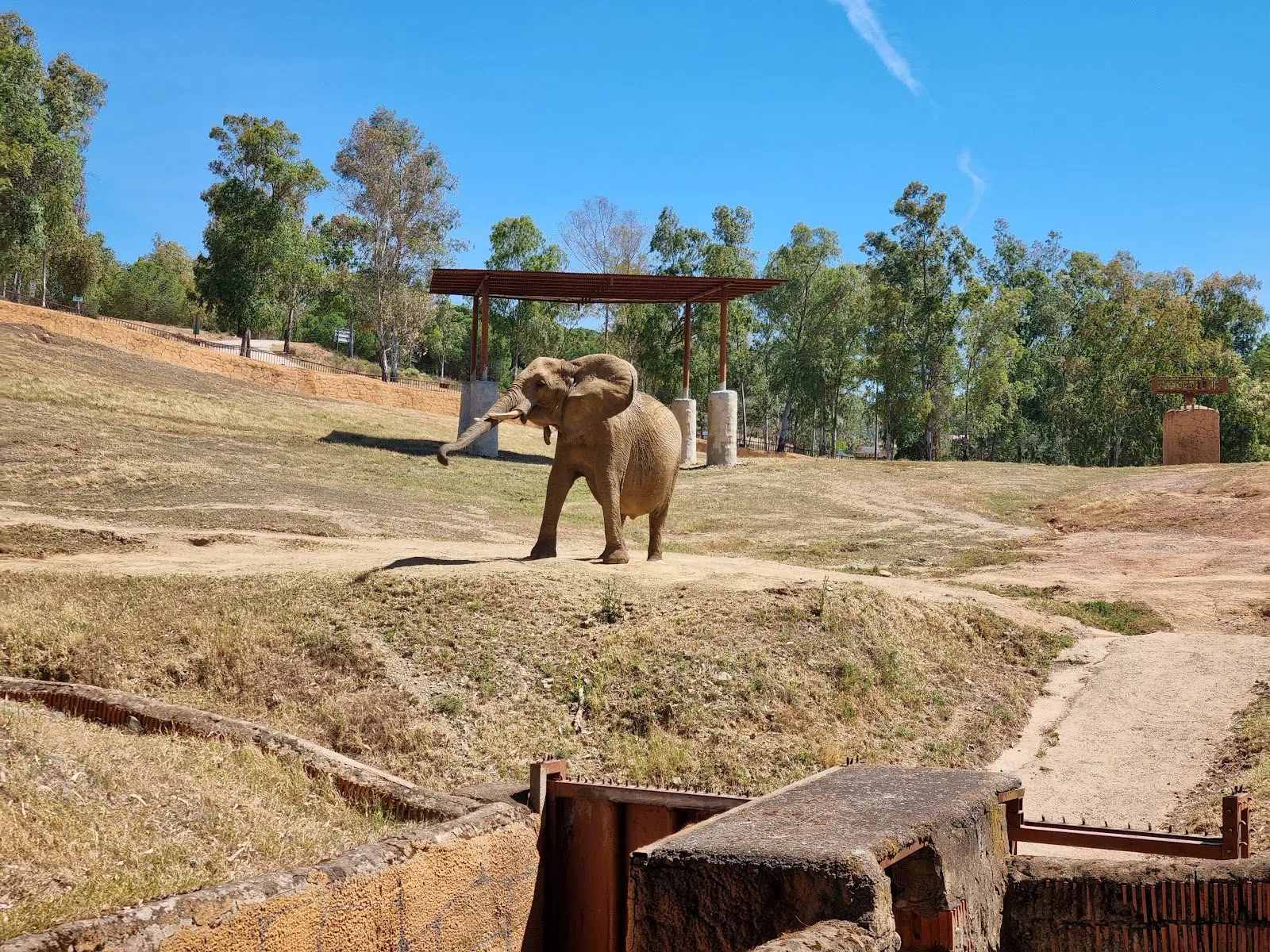
La Reserva del Castillo de las Guardas (Sierra Morena, fifty kilometres north-west) is the only entry here that requires a car or a coach, and it earns the drive by being a real drive-through reserve (lions, elephants, a birds-of-prey display) rather than a zoo with a car park. Adults pay €22.50, children aged 3 to 12 and over-65s €16.50, and it is built for coach parties and school trips with group rates on request. It opens daily 10:30 to 18:30, but the ticket office shuts at 17:00 and the circuit takes real time: arrive before three or you will not finish it. Make it a whole day and do nothing else with it.
The rooftop that works after dinner
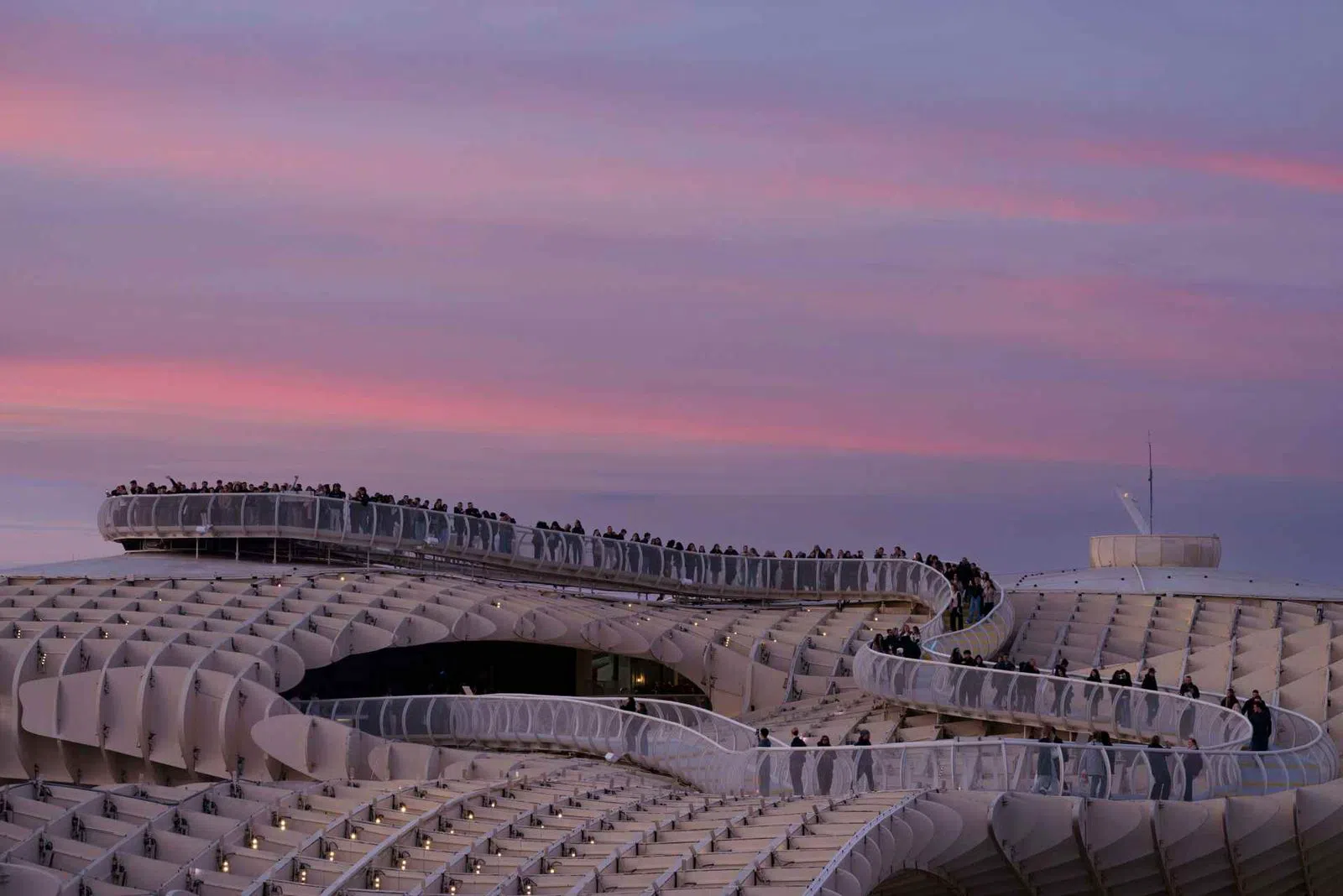
Setas de Sevilla (La Encarnación, in the centre), Jürgen Mayer's timber canopy opened in 2011, is the rare viewpoint in this city with no spiral stairs and no queue shuffling for a lift shaft, which is what recommends it with small legs or a pushchair. The €15 general ticket covers the rooftop walkway, the Feeling Sevilla exhibition and the Aurora light show, and it is timed entry with group and school rates available. Underneath, the Antiquarium is ticketed separately at €2 and is free for under-16s: Roman houses with their mosaic floors, found when the city dug for an underground car park and stopped. Two euros for mosaics your children can look straight down onto is the best-value ticket in the centre. From April to October it stays open from 09:30 until 00:30, which makes it the answer on a day the heat has beaten you: eat at ten, walk up at eleven, and let the children see the city lit.
Getting around, paying and timing the day
Seville is flat and small, and with children the walk from the centre to the aquarium or the Cartuja bridges is perfectly doable in the cool half of the day and punishing in the other half. The tram and Line 1 of the metro cover short hops; city buses reach the Cartuja, and the M-172 from the Plaza de Armas station is the one that goes to Itálica. Only La Reserva needs a car. Cards are accepted almost everywhere, including at the attractions listed here, but carry twenty or thirty euros in coins and small notes for the boat kiosk on the Plaza de España, the €4 rowing-boat deposit, market bars, and the Antiquarium.
Build the day around the sun rather than the map. Outdoor and out-of-town things (Itálica, Alamillo, the markets at opening, the reserve) belong to the morning; the aquarium, the science museum, CaixaForum and the camera obscura are the two-to-six shift; the river cruise, the plaza boats and the Setas rooftop are the evening. Spanish children eat late and are welcome everywhere at nine at night, so stop apologising for the hour and move lunch back.
On budget, a family of four can do a serious day for very little: Itálica at €1.50 a head, the science museum at €3, the camera obscura at €4 and €2.50, the Antiquarium at €2 with children free, and Alamillo and both markets costing nothing but food. Set against that, Isla Mágica at around €26.90 and €20.90 booked online, La Reserva at €22.50 and €16.50, and the aquarium family pack at €49 are the three that need planning rather than impulse. Book the online prices in advance where they exist, check the Isla Mágica calendar and the science museum's reopening before you commit a day to either, and if you are choosing where to base yourself, the Arenal and Triana river banks put most of this within a pushchair's range. See the Seville hotel search for what sits where.
Before you go
Is Isla Mágica open in October 2026?
Yes, but only at weekends and on public holidays. The 2026 season runs 11 April to 8 November, and from September the park is back on a weekend and holiday calendar, so an October visit has to be planned around the published dates instead of turning up midweek. Agua Mágica, the water park half, closes for the year after 13 September. Gate prices are €35 adult and €23 child; booking online in advance brings those down to roughly €26.90 and €20.90, and children under 90 cm go free.
What can we do with children in Seville when it is too hot or raining?
Acuario de Sevilla is the most reliable fallback: air-conditioned, open every day of the year including holidays, and done in half a morning at €18 adult and €13 for ages 4 to 14. CaixaForum Sevilla is free for every under-16 and €6 for adults, and it runs family workshops. The camera obscura at Torre de los Perdigones is €4 and €2.50 in a dark room. Museo Casa de la Ciencia is the cheapest at €3, but it shut on 28 June 2026 for new exhibitions, so ring +34 954 23 23 49 to check it has reopened.
How do we get to Itálica without a car, and how long does it take?
The M-172 bus runs out to Santiponce, nine kilometres north-west, and entry to the archaeological site is €1.50. Allow a couple of hours for the streets and the amphitheatre, which held 25,000 people and which children can walk down into. Go early, because there is almost no shade on the site, and it closes at 15:00 on Sundays and public holidays. Individuals turn up on the day; groups of ten or more have to reserve in advance.
Which family things in Seville are free or nearly free?
Parque del Alamillo is 120 hectares of free public park, with cycle and pedal-kart hire for a few euros from Friday to Sunday and on holidays, 10:00 to 20:00. Walking into Mercado de Triana or Mercado Lonja del Barranco costs nothing. The Antiquarium under the Setas is €2 and free for under-16s, Itálica is €1.50, and Museo Casa de la Ciencia is €3 general with the planetarium another €3. A rowing boat on the Plaza de España canal is €6 for thirty-five minutes.
Do we need to book ahead if we are travelling as a large group?
In most cases yes. Acuario de Sevilla needs group bookings of twenty or more arranged at least a week ahead at [email protected]. Itálica requires advance reservation for ten or more. Isla Mágica handles large parties through its Grandes colectivos desk at [email protected]. Torre de los Perdigones has tiny capacity and timed slots roughly every forty-five minutes, so a group has to split and book on 679 091 073. The Plaza de España boats take no bookings at all, so a big group simply splits across two or three motor boats, which seat twelve each.