
Seville does not display its history in glass cases. It wears it, tile by tile, on the walls of a five-hundred-year-old palace and on the front of a bar that has been pouring manzanilla since before the Spanish Civil War. Azulejos — the glazed ceramic tiles that cover courtyards, church façades, shopfronts and stairwells across the city — are not a museum piece here so much as a working material, still made a few hundred metres from where the tradition began, still repaired and replaced by hand. This trail follows that clay from the kilns of Triana to the throne rooms of the Alcázar, and asks, at every stop, who actually gets to walk through the door.
Triana: Where the Clay Comes From
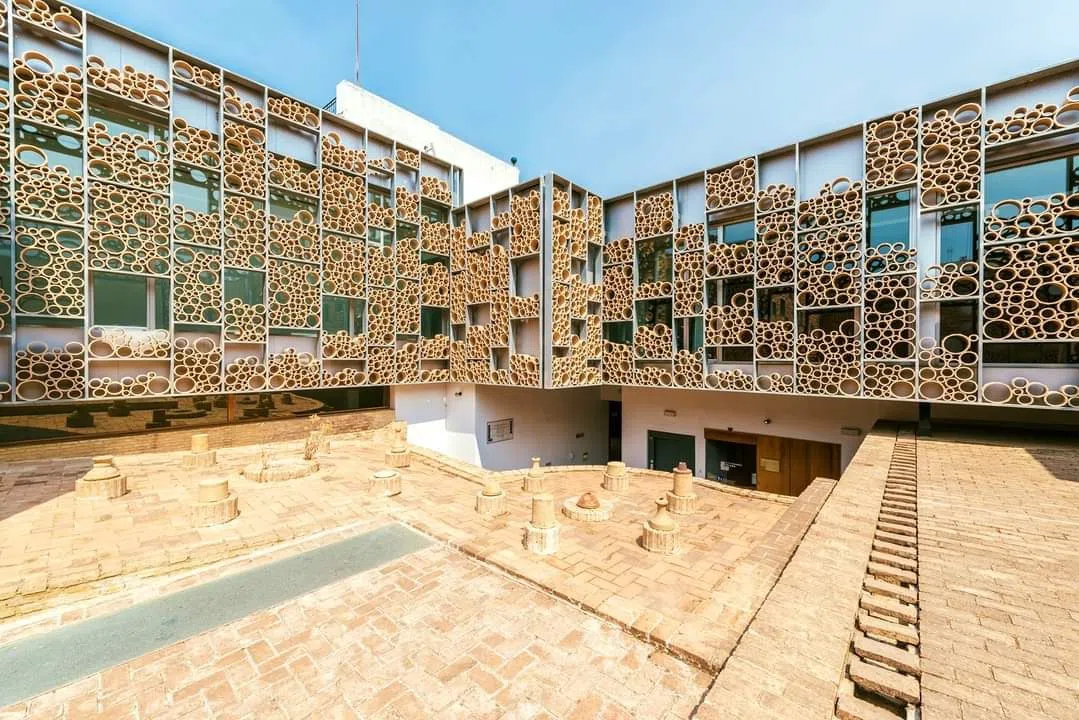
Cross the Puente de Isabel II from the centre and the city changes register immediately — the neighbourhood on the far bank of the Guadalquivir, Triana, has spent five centuries making the tiles that decorate the other side. The single best place to understand why is the Centro Cerámica Triana (Triana, Calle Antillano Campos), a museum built directly inside a former tile factory — the old kilns are still there, blackened and intact, alongside the wheels and stamps that shaped six generations of Triana ware. General admission runs €2.10, dropping to €1.60 for groups of ten or more, and guided group visits are bookable in advance, which makes it one of the few stops on this trail actually built with tour groups in mind rather than merely tolerating them. For a coach party or a walking tour with a dozen-plus people, this is the logical opening chapter: fifteen minutes here explains everything you'll then spend a day recognising.
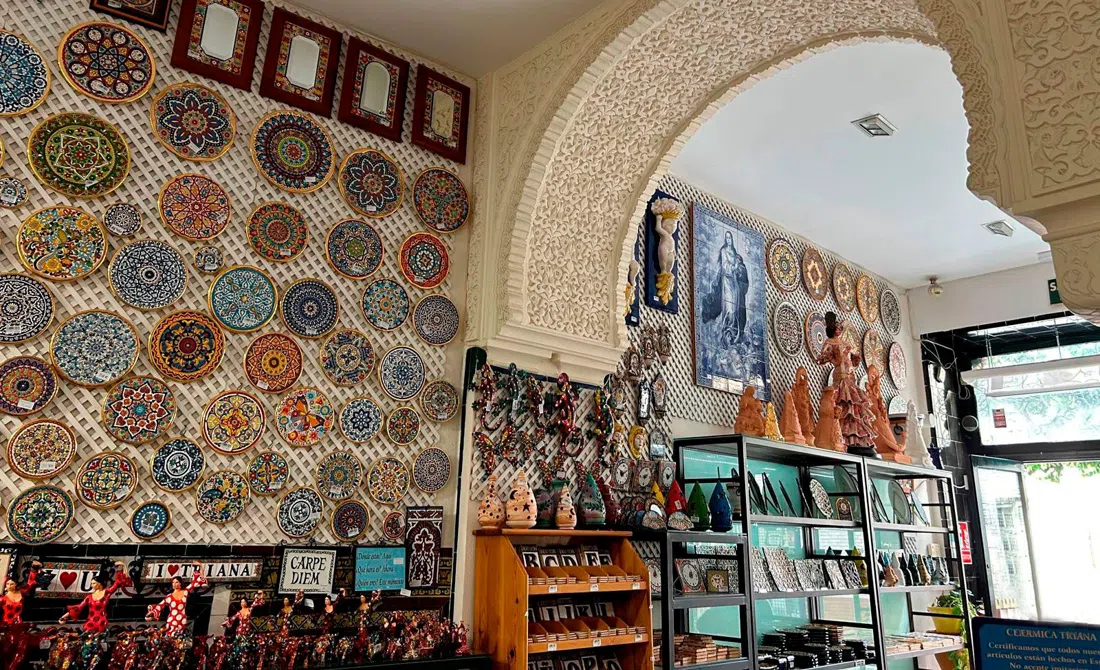
Walk on into the old Triana ceramic quarter and the trade stops being explained and starts being sold. Cerámica Triana (Triana, Calle San Jorge) occupies a building most visitors already half-recognise — a tiled shopfront photographed for decades under its previous name, Cerámica Santa Ana, before that factory closed and the business rebranded in 2013. The name on the awning has changed; the building and the glazed façade tourists remember have not. Inside, it's a working shop rather than a showroom: pieces start at around €10, browsing is free, and there's no need to book ahead — but the floor is small, and a group larger than eight or ten should come through in waves rather than all at once, both for the sake of the merchandise and the staff working the counter.
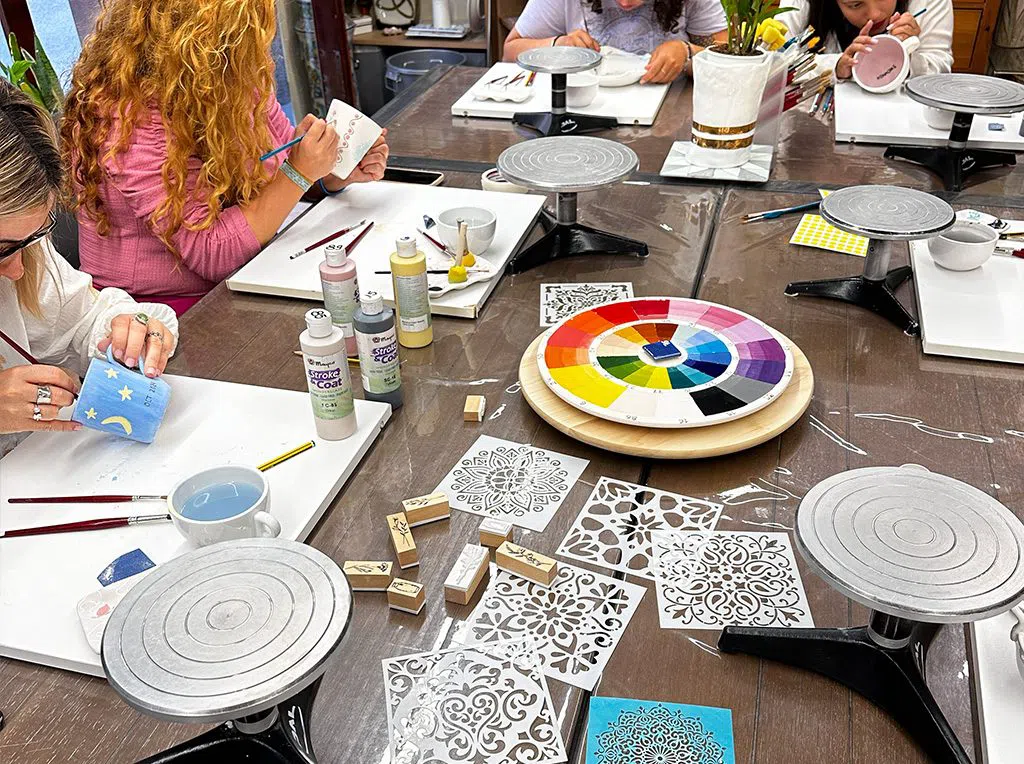
For something more hands-on, Arte y Pureza — Cerámica Sevillana (Triana) is the one stop on this entire trail where you don't just look at tilework, you make some. It's a working ceramics studio built explicitly around private group sessions — minimum two people, scalable up to a full coach party — where visitors paint and fire their own tile over roughly two hours, for around €15 per person. It's a genuinely different register of experience from the palaces and churches that dominate the rest of the trail: less about admiring four-hundred-year-old glaze and more about understanding, in your own clumsy brushstrokes, how hard it is to get right.
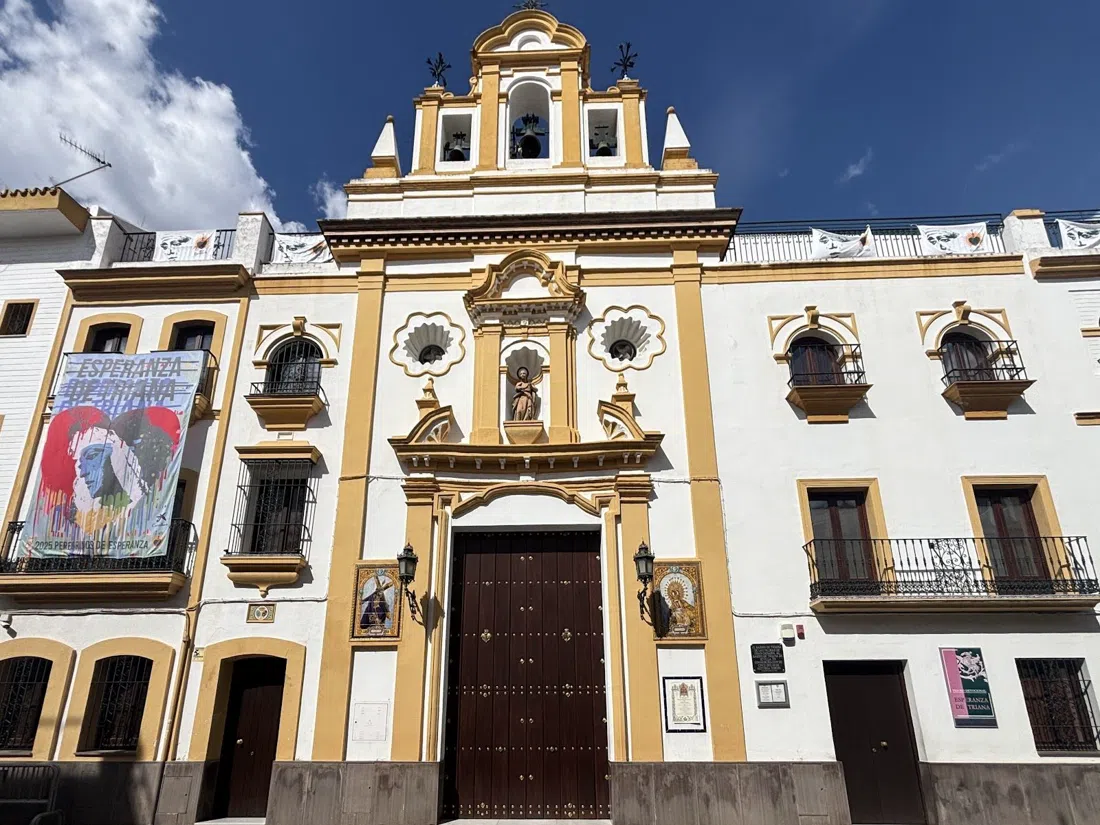
Triana's tile tradition also survives in places that were never built to be visited at all. The Capilla de los Marineros (Triana, Calle Pureza) is a small, still-active chapel — home to one of the barrio's Holy Week brotherhoods — of the kind that dots Triana's streets in miniature, tiled shrine form. It welcomes respectful small groups during open hours, entry is free, but it closes for services without much warning, so it's worth checking the schedule rather than turning up with a group and hoping. Set against the grandeur of the palaces to come, it's the trail's most useful corrective: a reminder that most azulejo work in this city was never made for tourists, or even for display — it was made for whoever happened to live, pray or drink nearby.
The Alcázar: The Reference Point
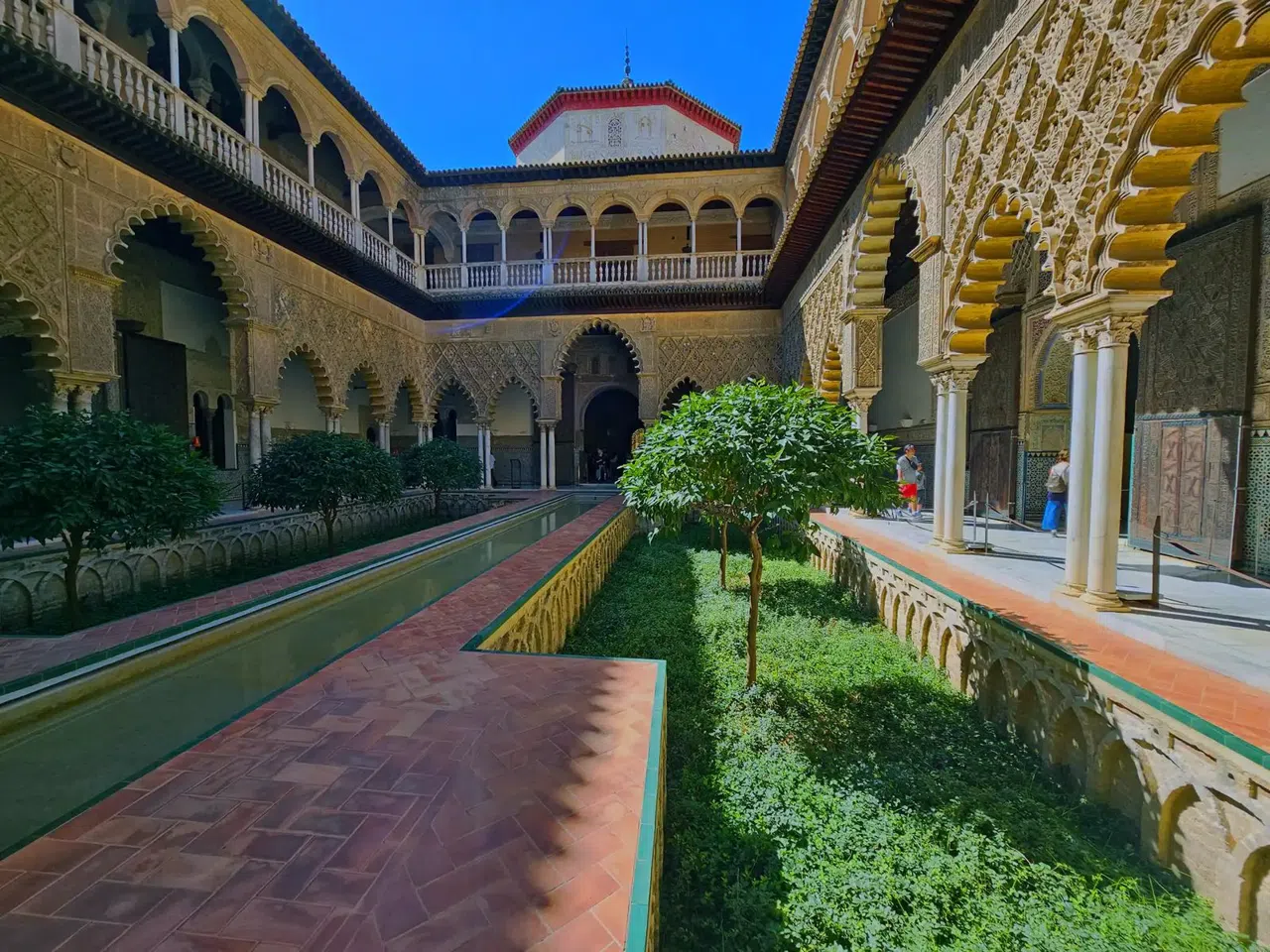
Every other tiled surface in Seville eventually gets compared back to one building. The Real Alcázar de Sevilla (Santa Cruz, adjoining the Cathedral) is where Mudéjar tilework reaches its fullest expression — a royal palace still in occasional use by the Spanish royal family, decorated across its patios and chambers with geometric tile schemes, much of it produced in the sixteenth century by the same Triana workshops this trail starts in. General admission is €15.50, and this is emphatically not a spontaneous stop for a group of any size: pre-booked, timed-entry slots are strongly recommended for anything over about twenty people, and even smaller groups do themselves a favour by booking ahead rather than queueing at the gate in the summer heat. Go slowly through the Patio de las Doncellas and the Salón de Embajadores — everything else on this trail, from the shopfronts of Triana to the convent chapels near the Macarena, is in some sense a variation on what was set here first.
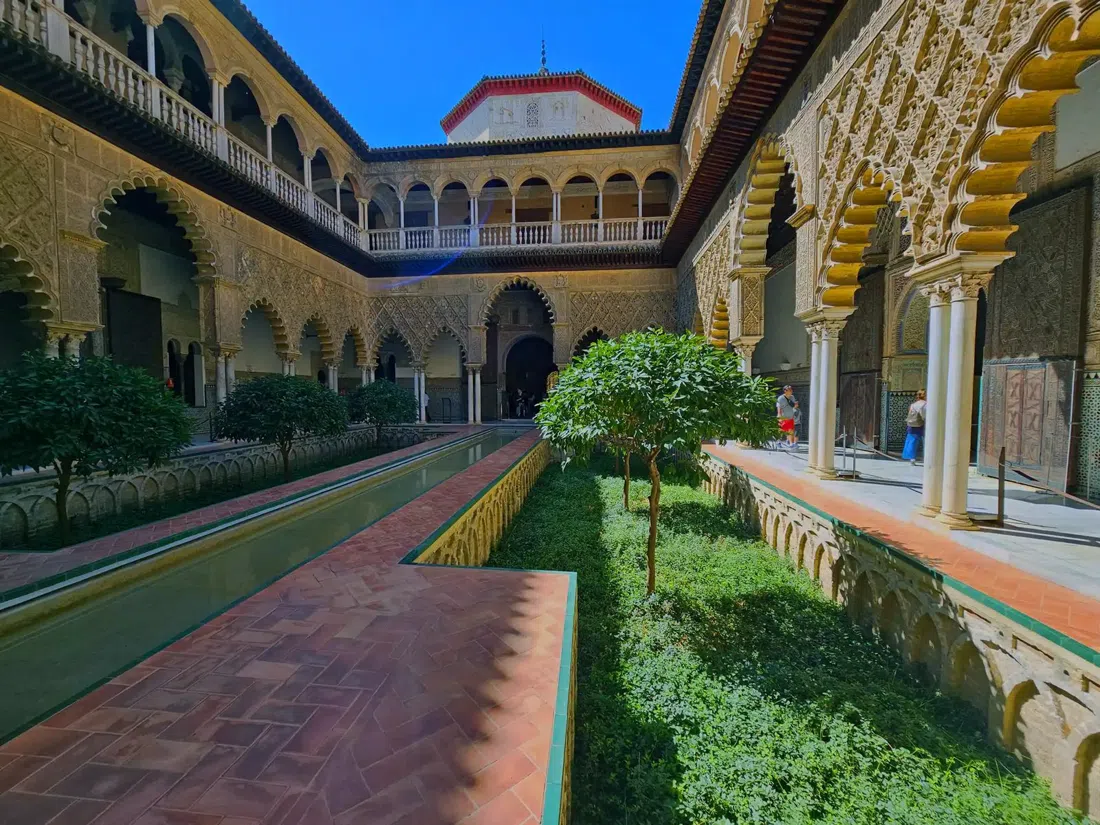
Palaces in Tile: Pilatos, Lebrija, Dueñas
A short walk from the Alcázar, Casa de Pilatos (Santa Catalina, Plaza de Pilatos) makes the case that the richest single collection of Renaissance-era tile patterns in the city isn't in a museum at all — it's around one courtyard, in a palace still owned by the same noble family that built it. There's a genuine choice to make at the door here: a ground-floor-only ticket at €12 suits larger groups far better than the full €19 ticket covering the upper floor, which is accessed by guided tour only and doesn't scale well past a handful of people at a time.
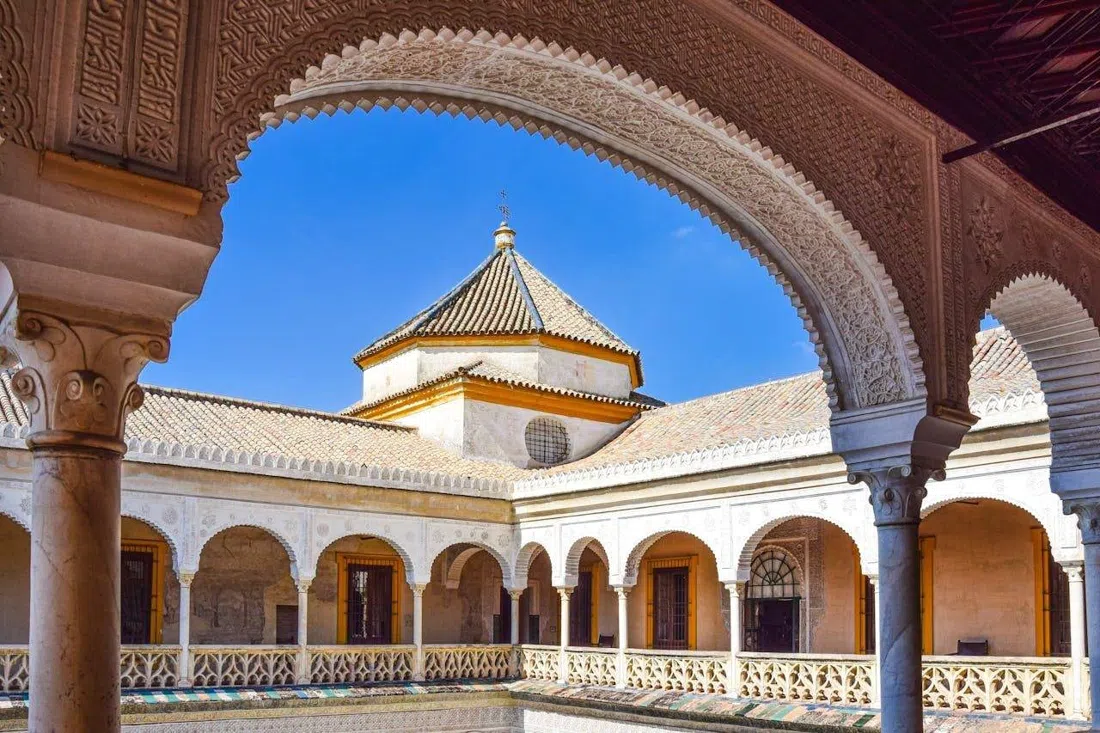
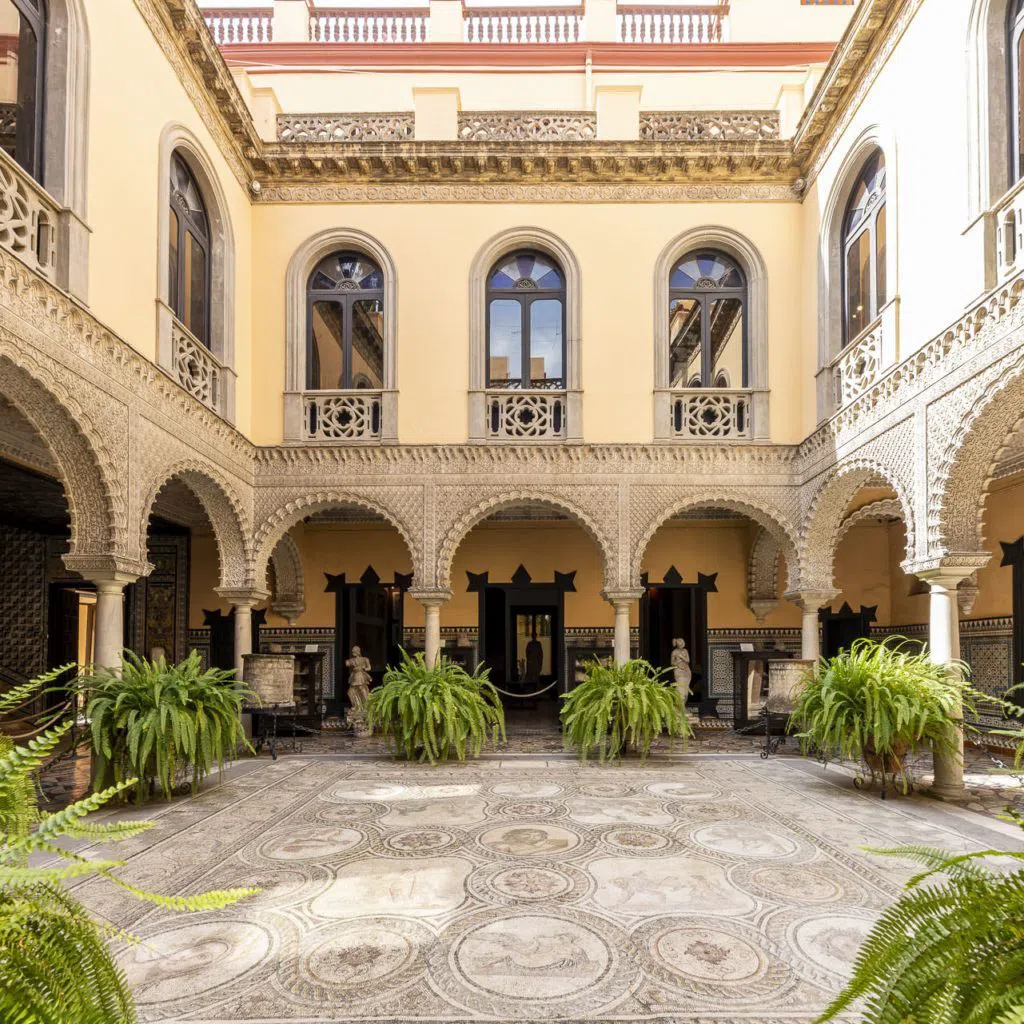
A few streets away, Palacio de la Condesa de Lebrija (Centro, Calle Cuna) has a claim to being the best-paved palace in Europe, and the reason belongs on this trail specifically: its ground floor pairs genuine Roman mosaic floors with Triana-made tilework upstairs, so that two thousand years of ceramic craft sit under one roof. Admission is €12 general, dropping to €10 for groups of fifteen or more — but the rooms are small, and a sensible group leader will split anything larger into two guided passes rather than trying to move fifteen people through a space built for a family, not a crowd.
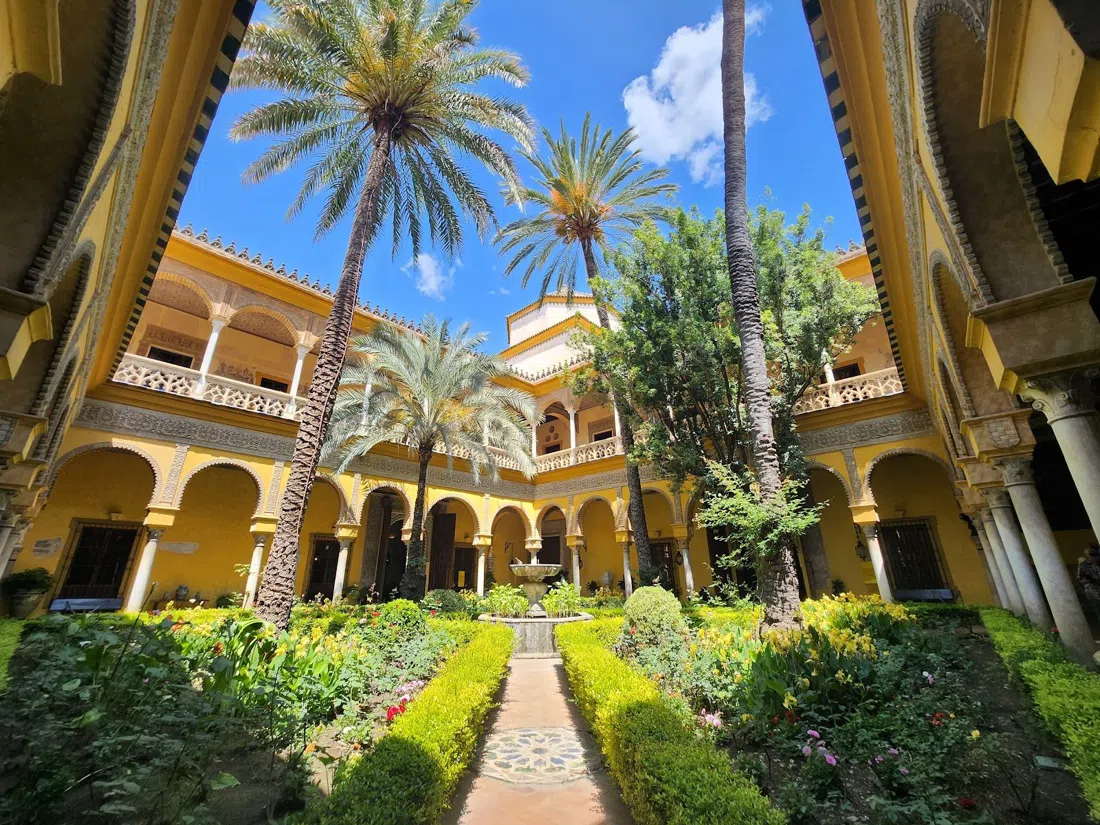
Palacio de las Dueñas (Santa Catalina, Calle Dueñas) is different in kind from both of the above: it's still a lived-in ducal residence — birthplace of the late Duchess of Alba — and that changes how the tilework reads. This isn't tile as monument, it's tile as the wallpaper of someone's actual home, laid across kitchens and private courtyards as much as reception rooms. General admission is around €10, groups are welcome on the standard timed ticket, and the included audioguide app suits a group that wants to move at its own pace rather than being marshalled by a single guide.
Plaza de España: Tile at Expo Scale
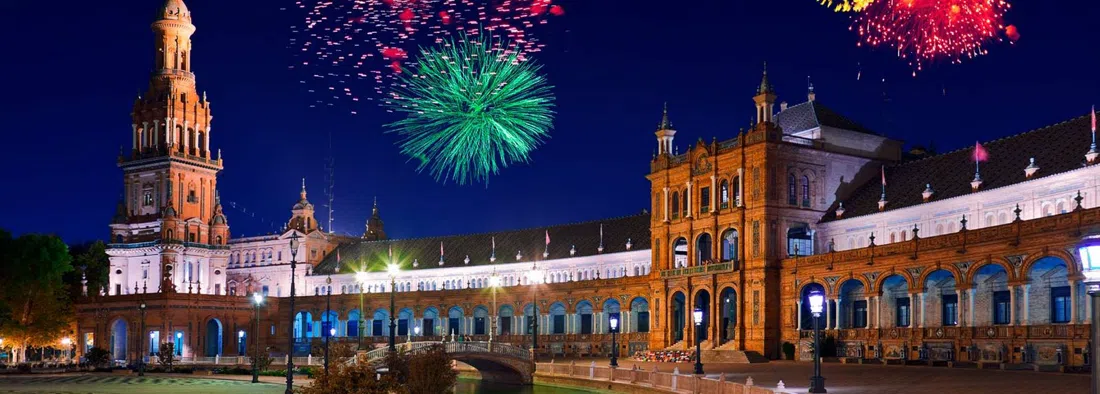
Every trail like this needs one stop that costs nothing, takes no booking and can absorb a group of any size, and in Seville that's Plaza de España (Parque de María Luisa, near Puerta de Jerez). It's also, not coincidentally, the trail's most photographed location and its most explicitly Triana-linked: the alcove tiles representing each Spanish province were made by hand in Triana workshops specifically for the 1929 Ibero-American Exposition, on a scale no palace commission ever demanded. There's no ticket, no group cap and no real door policy to navigate — which makes it the easiest stop to build an itinerary around, and also one worth visiting early or late in the day, since by midday its wide open plaza offers no shade and no line.
Convents, Churches and a Quieter Santa Cruz
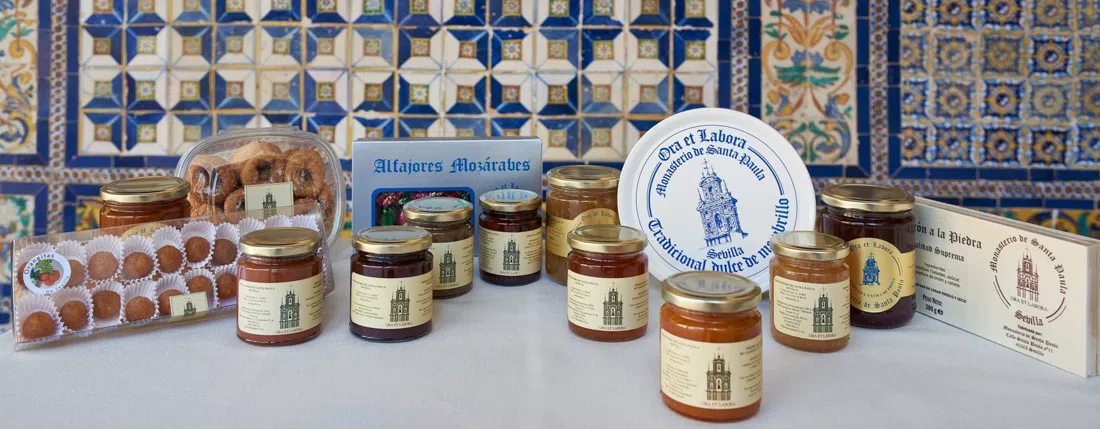
Not every tiled interior in Seville wants to be found. The Convento de Santa Paula (Macarena, Calle Santa Paula) is a working convent, still run by its resident nuns, with one of the earliest dated and signed tile façades in the city — a direct, legible link from Renaissance-era Triana kilns to a building that is still, four centuries on, inhabited by a religious community rather than a heritage trust. The visitor space is small and the opening window brutally short, 10:00 to 13:00 only, at around €5 on a donation basis; any group needs to be capped in size and timed in advance, because there's no version of this stop that accommodates a coach party turning up unannounced.
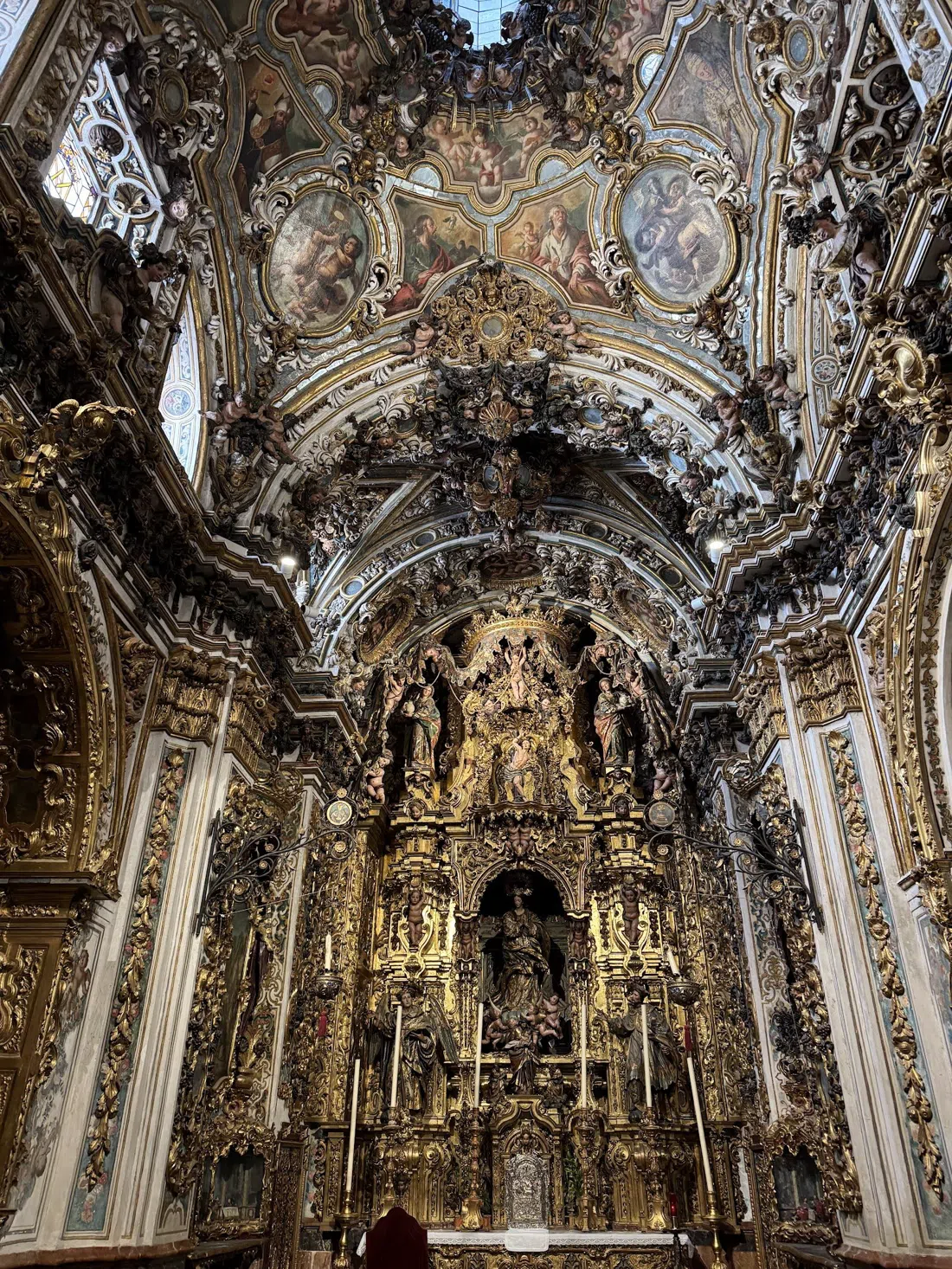
Iglesia de Santa Catalina (Santa Catalina, Plaza Ponce de León) rounds out the trail's ecclesiastical stops with something genuinely under-visited: a Gothic-Mudéjar National Monument with tile interiors that see a fraction of the footfall of the Cathedral or the Alcázar, largely because its opening hours are so tightly rationed — 10:00 to 13:00 and again 18:00 to 20:00. Entry is free, small groups move through comfortably in those windows, and the reward for planning around the schedule is a church that feels, most days, close to empty.
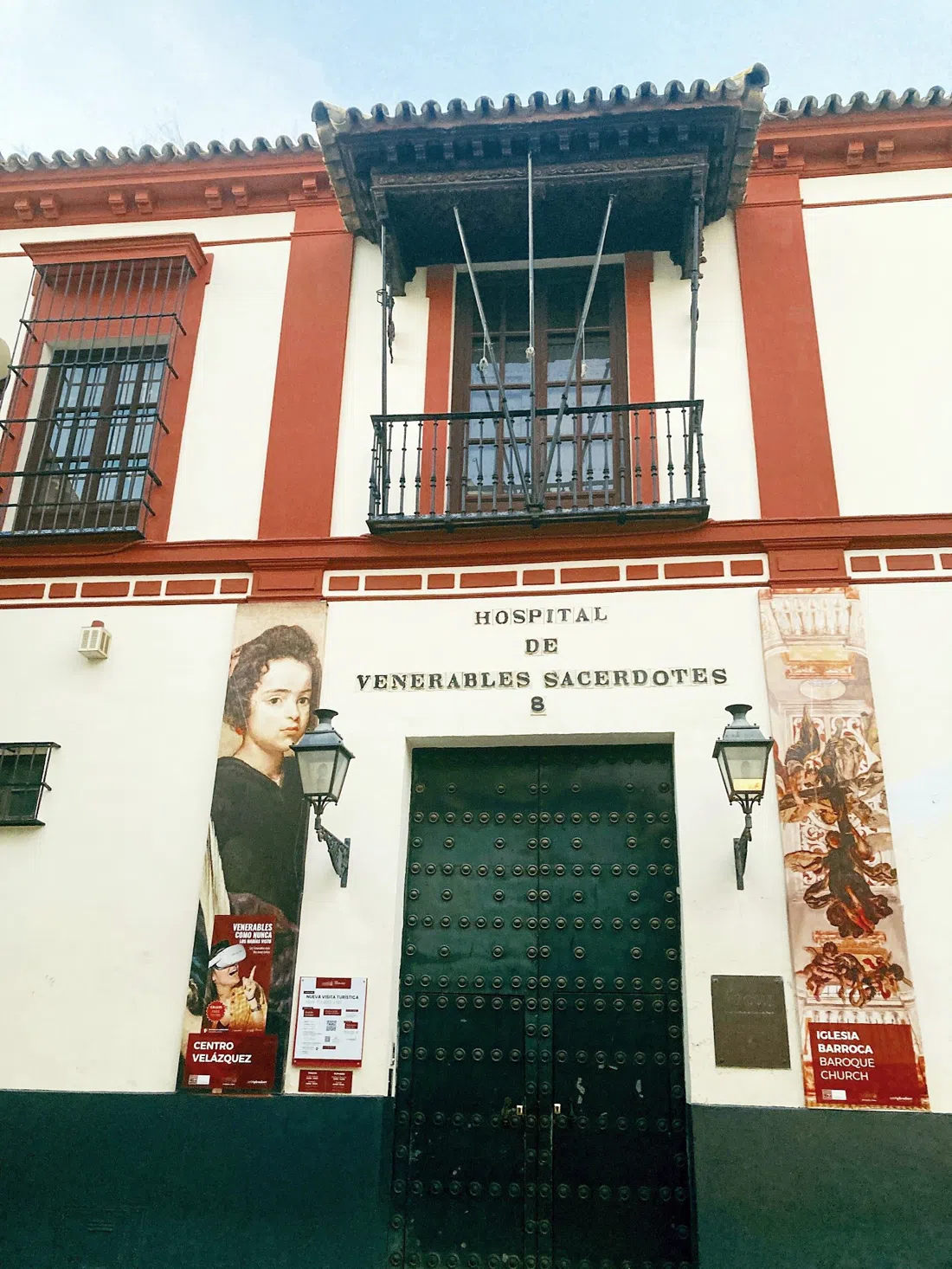
For a Santa Cruz stop with rather more breathing room than the Alcázar, Hospital de los Venerables (Santa Cruz, Plaza de los Venerables) offers genuinely distinctive tilework around a sunken central courtyard, a design quirk that sets it apart from every other patio on this trail. Admission is €12, groups are welcome and it's properly ticketed rather than a queue-and-hope situation — the one snag is the free Monday-afternoon admission slots, which require online reservation and can bottleneck if a larger group is all trying to book the same free window at once. Pay the standard rate and skip that particular headache.
Folk Craft and the Tiled Bar at the End of the Trail
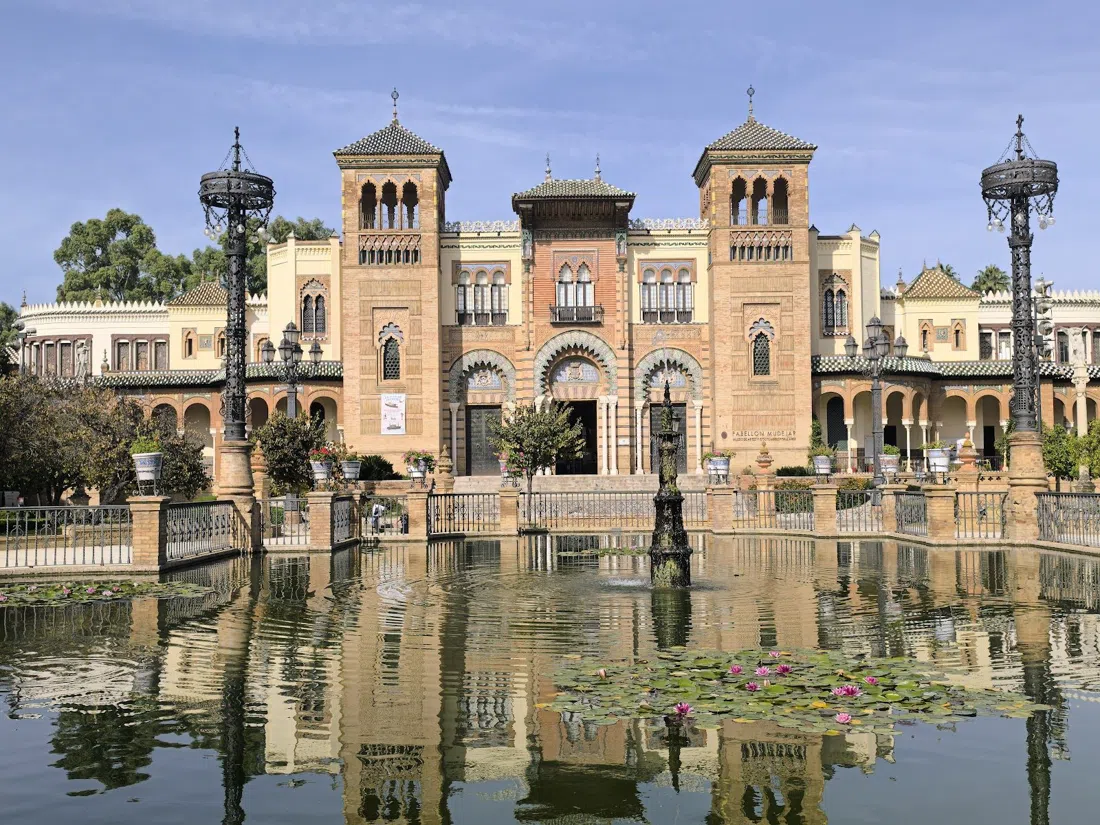
The Museo de Artes y Costumbres Populares (Parque de María Luisa, inside the Pabellón Mudéjar) is where this trail's grand architecture gets connected back to the people who actually made it — the potters, the kiln workers, the everyday craft and domestic life behind the palace commissions seen earlier. It's free for EU citizens, a small fee for others, welcomes groups, and closes on Mondays outside peak season, which is worth checking before building it into a single-day itinerary alongside Plaza de España next door.
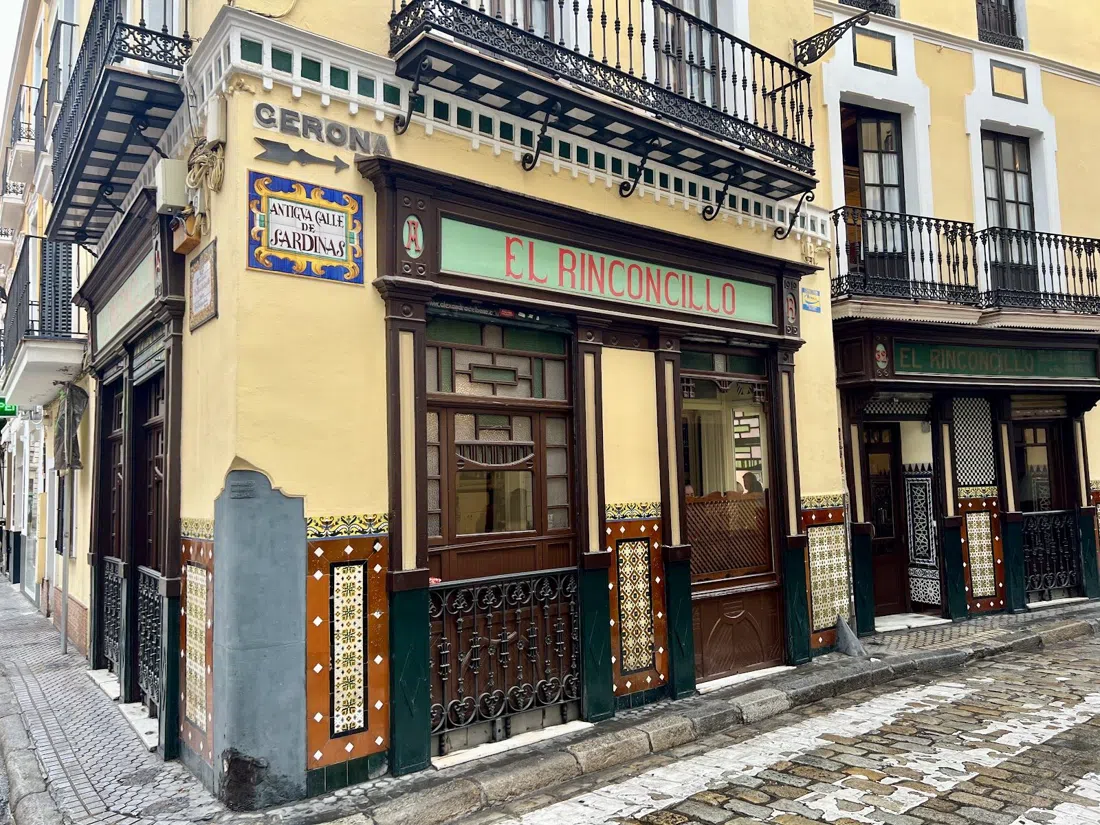
And the trail should end, as most good days in Seville do, at a bar. El Rinconcillo (Casco Antiguo, Calle Gerona, near the Alameda de Hércules) claims to be the oldest bar in the city, and whether or not that particular claim survives close scrutiny, its tiled interior is the best-preserved of any tavern in the old town — floor-to-ceiling azulejos, dark wood, hams hanging over a marble-topped bar that's been serving tapas since the nineteenth century. Groups are welcome at the standing bar or in the dining room, though it's worth knowing the door policy in advance: no reservations for the bar area, so groups jostle for space with everyone else, while seated groups in the dining room should book ahead. Prices sit in the €4-10 range per tapa. The one date to actually plan around is the closure: El Rinconcillo shuts every year from late July to late August for its annual holiday, so a late-summer itinerary built around this stop needs a backup.
Getting Around, Timing and Budget
Seville's old town is compact enough that most of this trail — Alcázar, Casa de Pilatos, Lebrija, Dueñas, Hospital de los Venerables, Santa Catalina — can be walked in a single day, roughly 5-6km on foot if you don't backtrack. Triana is the one detour that requires crossing the river; budget a half-day for it alone if you want to include Centro Cerámica Triana, the tile shop, Arte y Pureza and Capilla de los Marineros without rushing, and cross back over the Puente de Isabel II or Puente de Triana on foot — both bridges take about ten minutes and offer the best skyline view of the Giralda you'll get anywhere on the trail. Carry cash: Centro Cerámica Triana, the Convento de Santa Paula's donation box and El Rinconcillo's bar area are all more comfortable with coins and small notes than card. Late spring (April-May) and October avoid both the crowds and the punishing summer heat, when courtyards like Casa de Pilatos and the Alcázar's gardens offer real relief but the open plazas — Plaza de España especially — do not; visit those before 10am. On budget: the whole trail, ticketed sites included, comes in under €70 per person even taking the full Casa de Pilatos ticket and a workshop session at Arte y Pureza, with Plaza de España, Capilla de los Marineros and Iglesia de Santa Catalina costing nothing at all. For where to stay while you do it, a Seville hotel search turns up options across the old town and Triana alike — and the full Seville guide covers the rest of the city beyond its tilework.