The Seville issue
Day Trips from Seville That Only Need a Train Ticket
Twelve places you can reach from Santa Justa and back in a day, with the timetables, door rules and prices that decide whether each one works.

By Camille RousselThe city, barrio by barrio
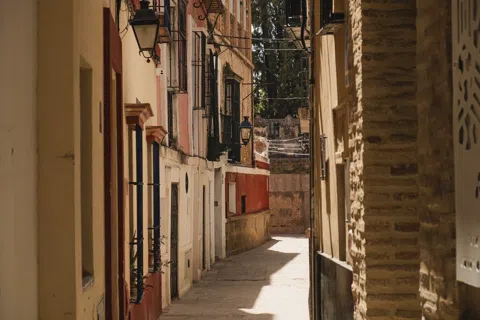
Santa Justa is not a station anyone photographs. It is a wide, plain hall on the eastern edge of the centre, and its virtue is practical: trains leave it all day for the Guadalquivir valley, the Atlantic coast, the sherry towns and the sierra. A room in Seville therefore buys you most of the region without a rental car, a car park or a single roundabout. If you are still choosing where to sleep, start with the Seville guide, because the base matters more than the trips.
The forty-five-minute city
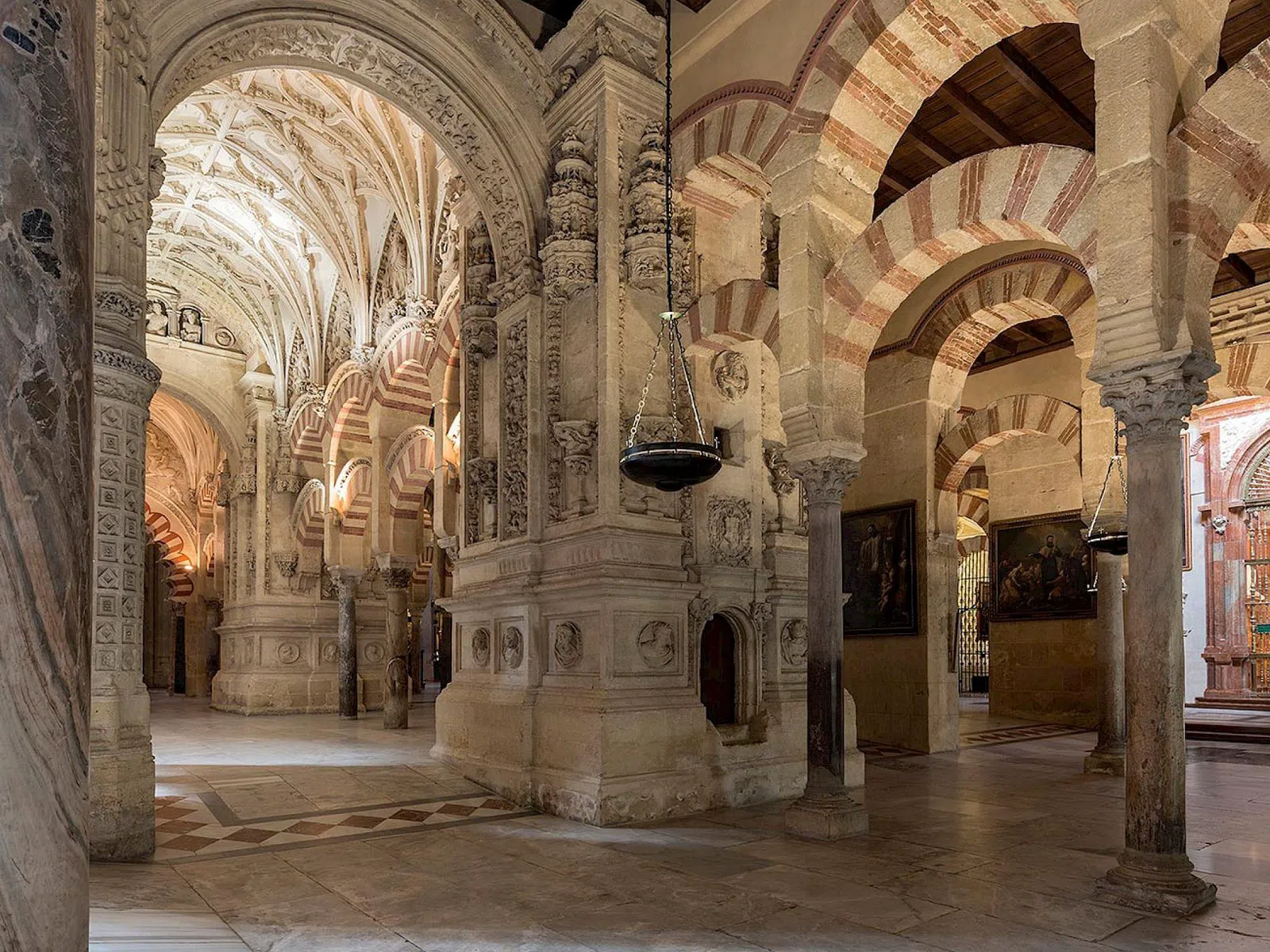
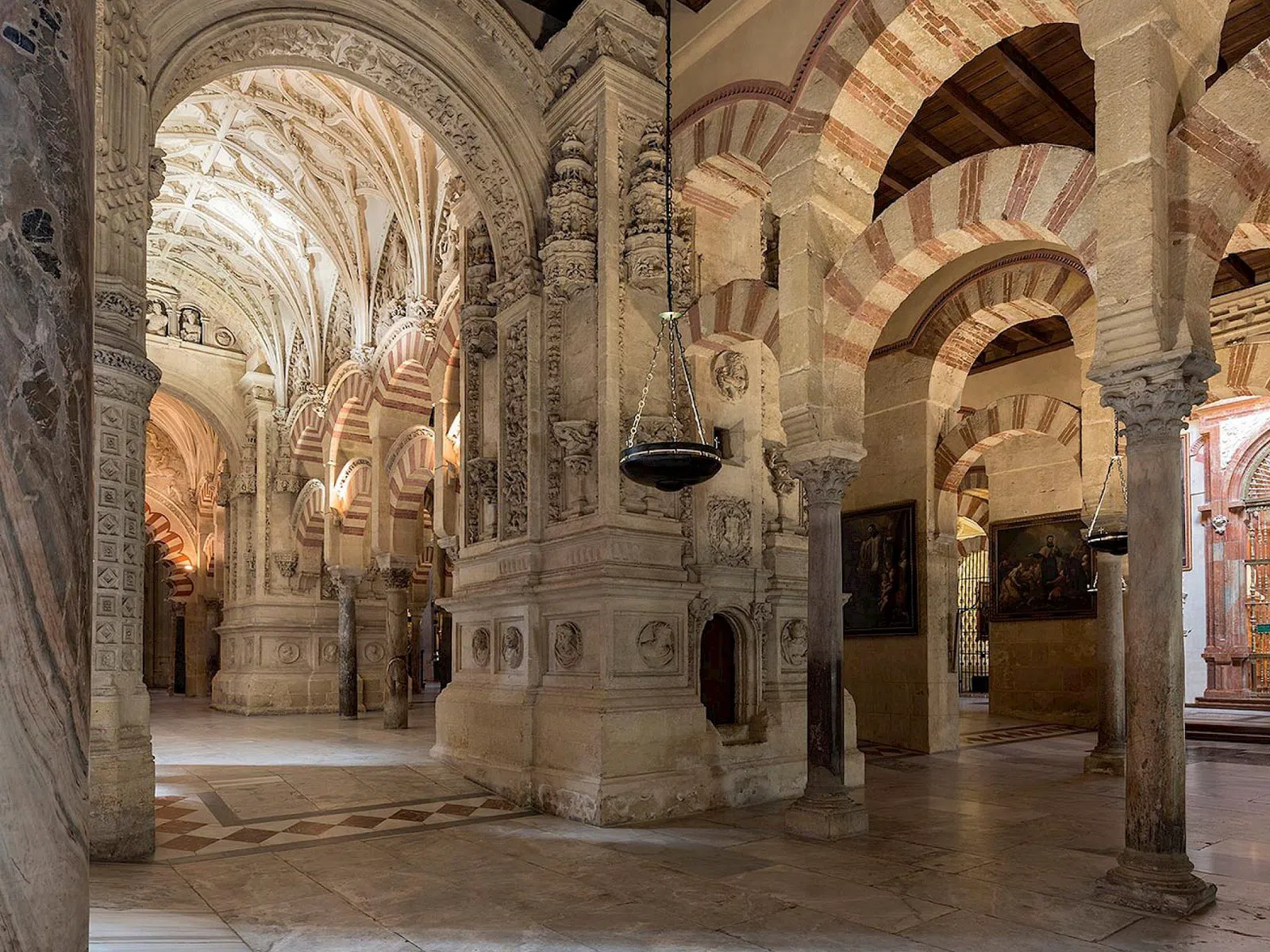
Córdoba (the Judería, ten minutes on foot from the station) is the one to take first, and if you make only a single trip out of Seville it should be this. High-speed services, AVE and the cheaper Avant, run between thirty-five and thirty-eight times a day, often enough that the departure board does the planning for you. A group of ten can split across two or three departures without anyone having to be diplomatic about it, and a missed train costs you twenty minutes rather than the day. Forty-five minutes up the valley you arrive in a city that was once the capital of a caliphate ruling most of the peninsula, and the Mezquita is the physical record of that: built and enlarged across two centuries as a mosque, then given a cathedral inserted into its middle in the sixteenth century instead of being flattened, so you walk through a forest of striped horseshoe arches and come out under a Renaissance nave. It is still a working cathedral, and the door rules are enforced accordingly. General admission is €15 after the rise in April 2026, €12 reduced, and entry is free between 08:30 and 09:30 Monday to Saturday. That free hour is real, and it is brisk: you are moved out at 09:30 and nobody lingers. Buy the timed ticket online rather than queueing at the door. Guided groups are capped in size and need pre-booked slots, so a party of fifteen arriving in the hope of being walked round together will not be accommodated. The Alcázar is €5 and takes a comfortable hour. Budget €25-45 for the return train depending on how early you book and which service you take.
Plan your Seville trip
Live prices from our booking partners.
Free cancellation on many rooms. We may earn a commission when you book.
Two towns on the same bay
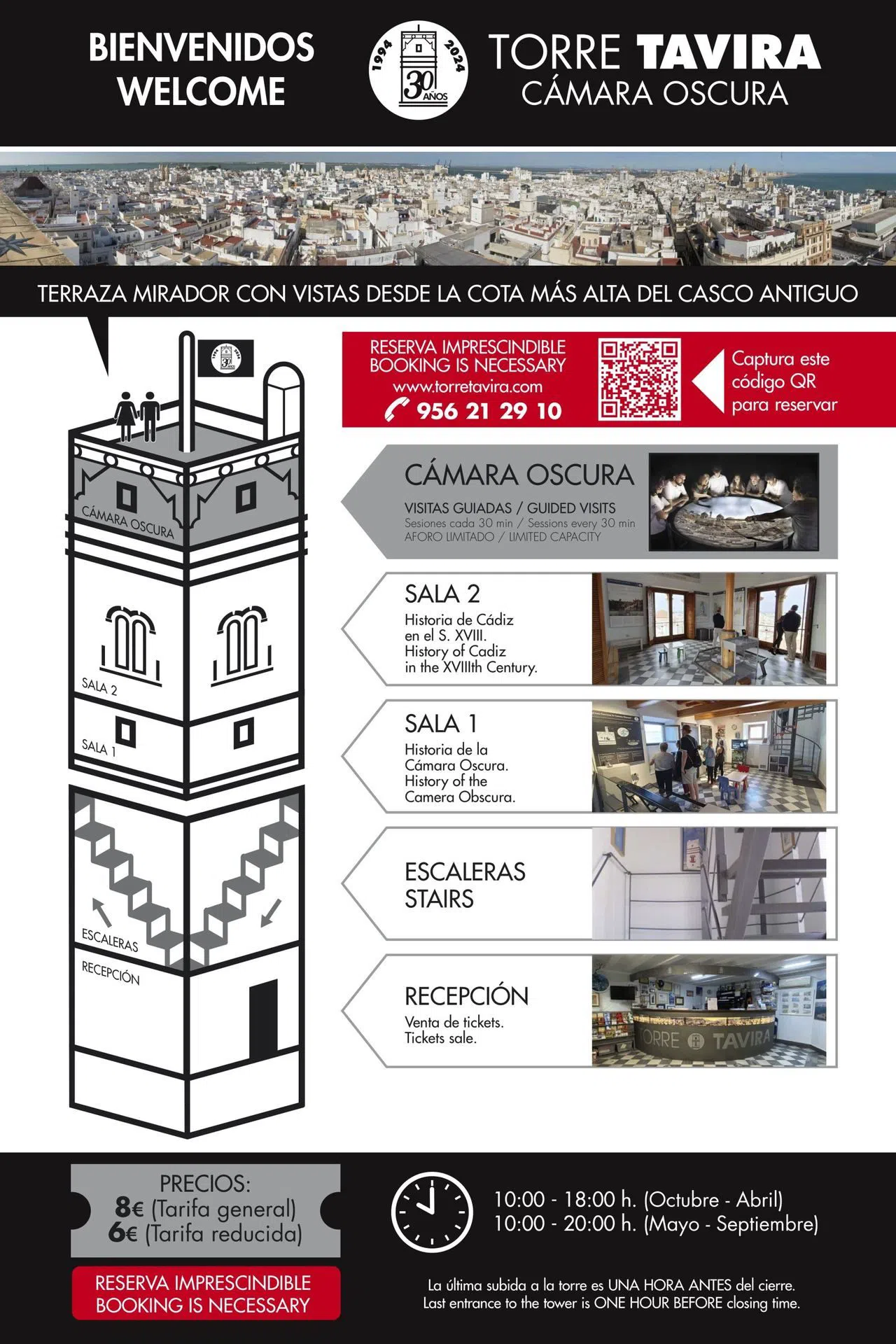
Cádiz (the casco antiguo, which begins more or less at the station forecourt) is a regional Media Distancia run of an hour and twenty-five minutes to an hour and forty-five, and it works as a train day trip because of geography: the old town occupies a narrow spit, the station sits at the landward edge of it, and everything worth seeing is within a walk. No taxis and no local buses, which for a group is the whole argument. The city has been continuously inhabited for about three thousand years and was rebuilt in the eighteenth century on Atlantic trade money, which you read in the watchtowers on the merchant houses. Torre Tavira is the one to book: its camera obscura projects the live city onto a dish in small timed sessions with limited capacity, so groups must reserve ahead, and the last session runs half an hour before closing. Entry is around €8, the cathedral from €8, the return train €25-35.
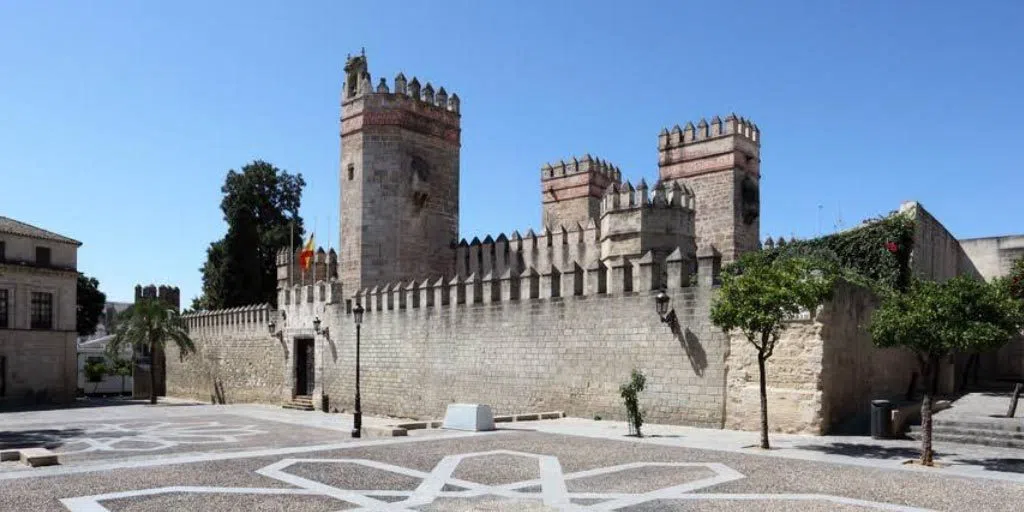
El Puerto de Santa María (the castle quarter, a short walk in from the halt) works better as the first half of the Cádiz day than as a destination of its own. It is an hour and five to an hour and twenty out, €20-30 return, and the bay catamaran crosses to Cádiz in about half an hour for a few euros, so you train in, spend the morning among the sherry bodegas, cross the water and come home by rail from the other side. The Castillo de San Marcos is the local oddity worth an hour: a fortified church-castle now owned by a sherry house, shown on fixed-time guided tours from Tuesday to Saturday with an 11:00 slot in English, and taking groups by prior arrangement rather than on the day. Entry runs €6-12 depending on the day. Osborne's bodega tours are scheduled by language and need booking; with a tasting they start around €18.
Sherry in the morning and horses at noon
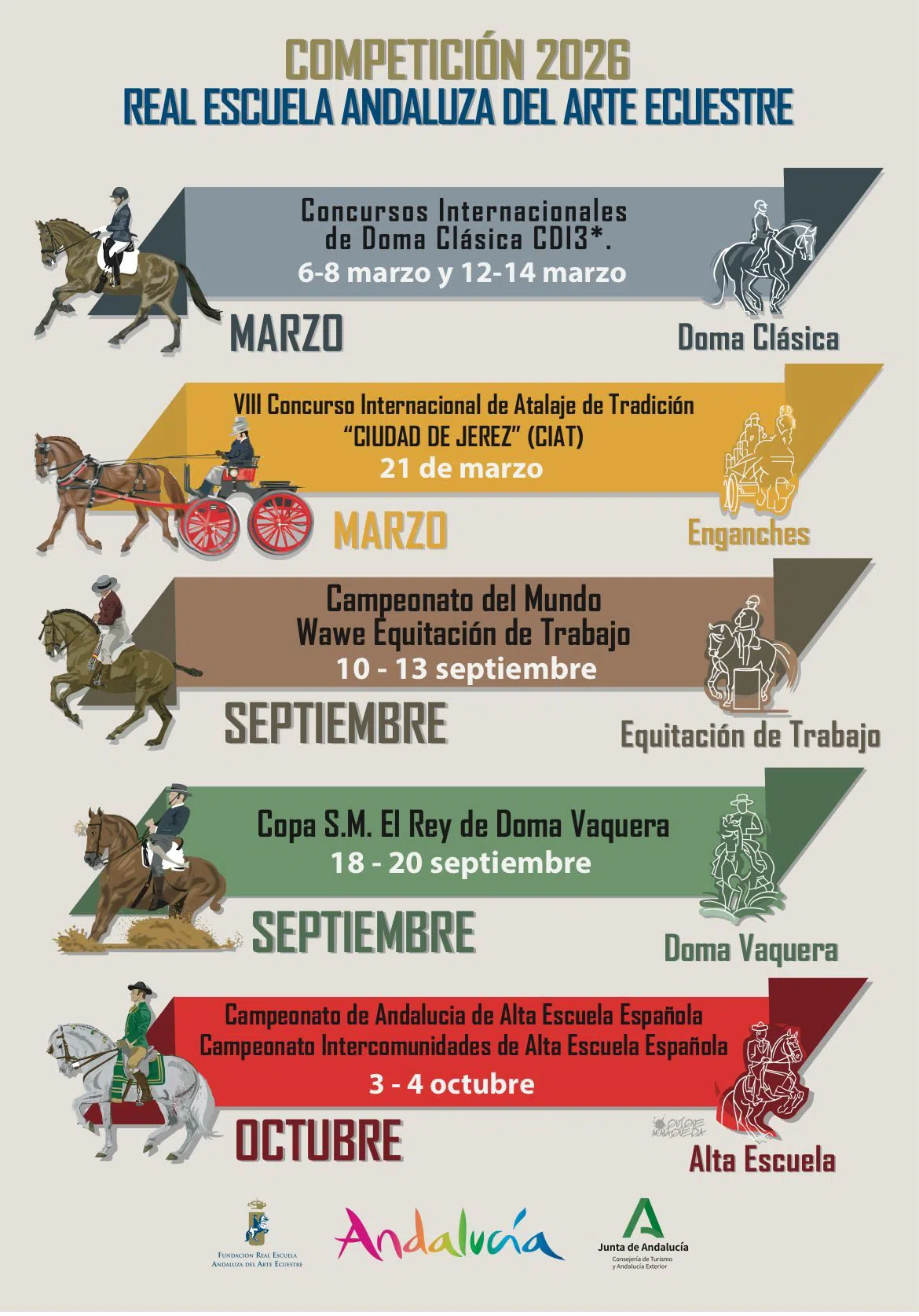
Jerez de la Frontera (the bodega quarter, in and around the old centre) is the trip that plans itself, which is why it suits a group that cannot agree on anything. An hour out, €20-30 return. Tío Pepe runs scheduled multilingual tours roughly hourly through the bodega, and the tall, whitewashed, nave-like cellars are real architecture rather than a gift-shop walkthrough; a tour with tasting is around €25. The Real Escuela sells ticketed seating for its equestrian show, roughly €25-35, and the horses are the town's other export: a formal school of classical riding, not a tourist spectacle bolted onto a stable. The catch is that the show does not run every day, so check the performance days before you commit a group to a date, because the rest of the itinerary hangs off that midday slot. Afterwards the cathedral and the Alcázar (€5) fill the afternoon at walking pace. For both anchor venues, reserve group numbers by phone or email; they are set up for booked parties and much less forgiving of a crowd that materialises at the door.
Four small towns the coaches never reach
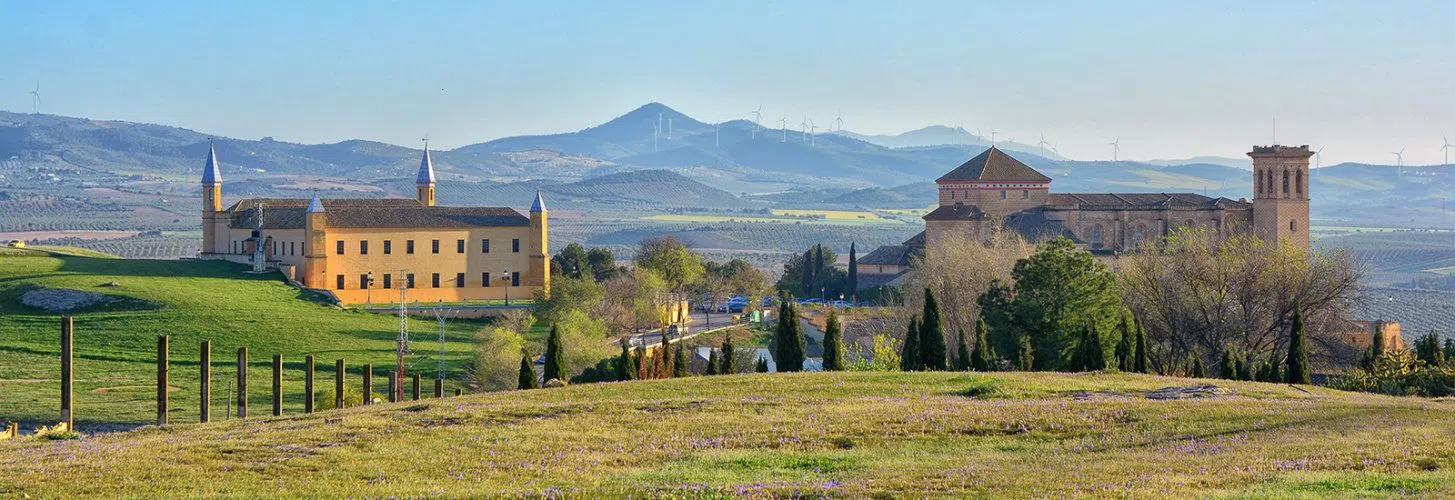
Osuna (the palace street below the collegiate church) is an hour out and €20-25 return, and almost nobody makes the trip, which is the appeal. It is a ducal town of sandstone palaces climbing to a hilltop church, and its arena stood in for Meereen on screen. Bullring visits with the bullfighting museum cost €4 and the Hall of Ice and Fire €2, but the tours are guided at fixed times and run mainly on Saturdays, Sundays and holidays, with Thursday evenings added in summer. A weekday group will find it shut, so build the day around the schedule.
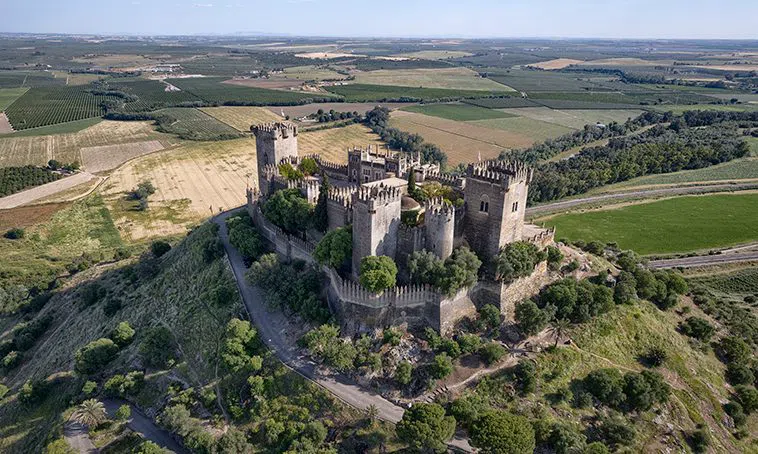
Almodóvar del Río (the village directly under the castle) is an hour and five, €20-25, with roughly nine trains a day and a castle you can see from the platform, which makes it an easy half-day. Entry is around €10, timed tickets are sold online in advance, and the site leans into its role as a booked-group venue with medieval banquets, combat displays and costumed reenactment days at extra cost. It played Highgarden on screen. The caveat is the climb from village to gate, steep enough to matter for a mixed-ability party.
Niebla (inside the Almohad walls, on the Huelva line) is fifty minutes and €15-20, and it is the cheapest satisfying thing on this list: a complete circuit of medieval walls you can walk, with the Castillo de los Guzmanes at €4.50. The service was suspended for repairs earlier in 2026 and reopened in mid-June, running normally since. Scale is the thing to understand here. The castle takes walk-up groups but has no large-group infrastructure, so a big party should bring its own guide rather than expect one.
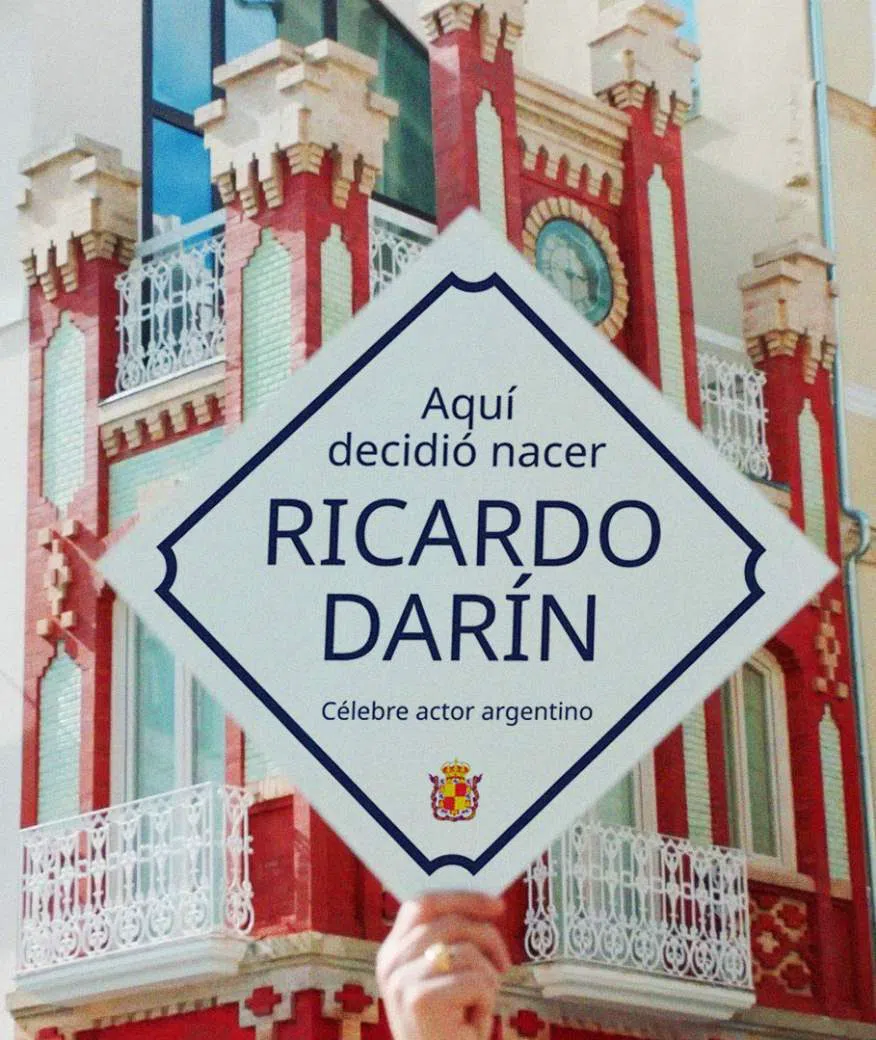
Utrera (the old town around the castle) is half an hour out for €6-10 return, on the busiest local rail junction in the province with departures every half hour or so, which makes it the only genuinely turn-up-and-go option, group size irrelevant. Go for the cante rather than the monuments: this is one of the cradles of flamenco and of the saeta, and the churches and castle cost nothing or a couple of euros. It is a low-stakes filler for a day when the longer trips do not fit the timetable rather than a headline destination, and it is better company than a wasted afternoon.
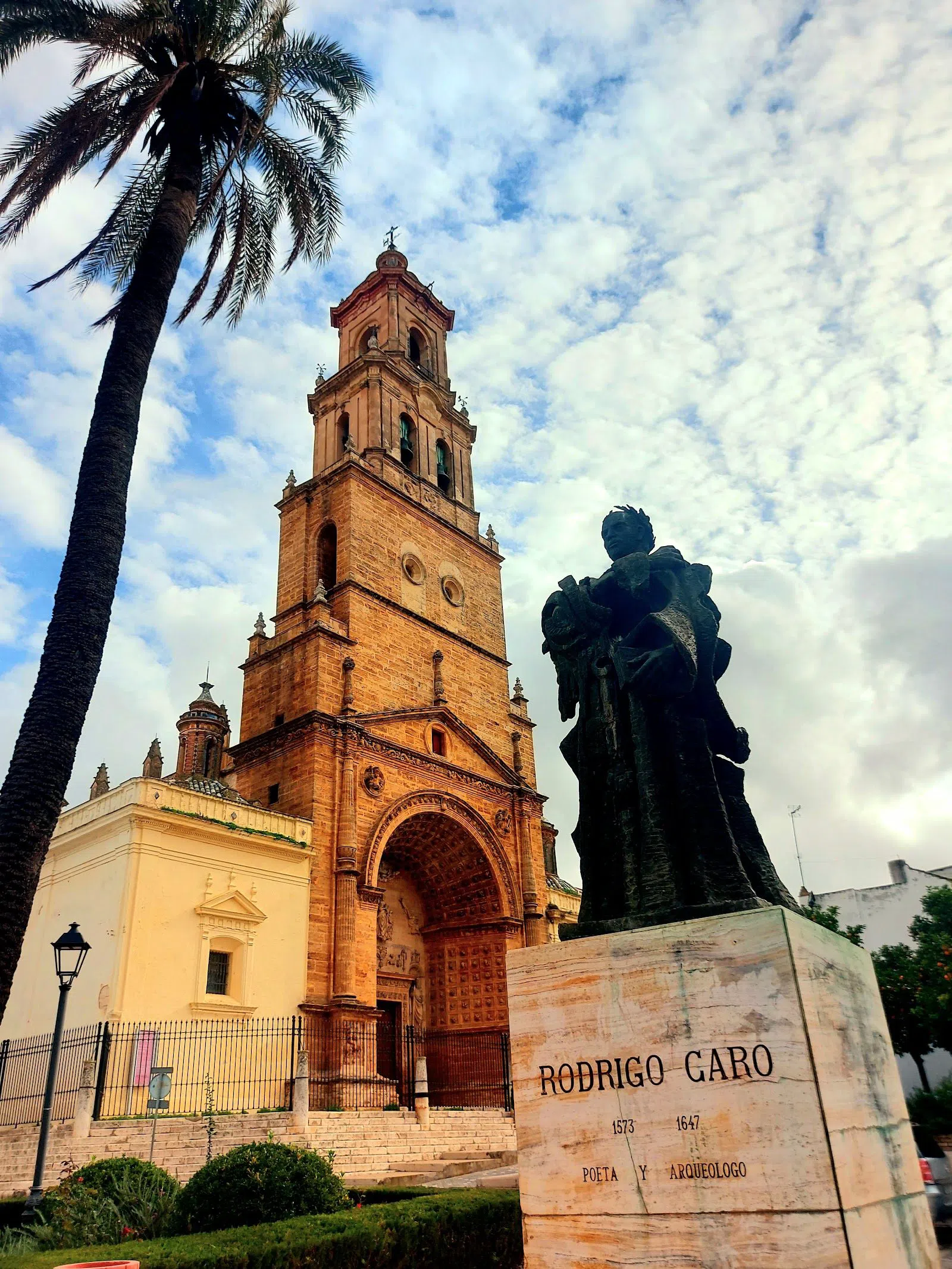
Walking country on the Mérida line
Cazalla de la Sierra and Constantina (the Sierra Norte, north of the valley) make the one green escape reachable by rail. The Mérida line takes about an hour and a half and costs €12-18 return, dropping you in a natural park of holm oak and chestnut where the walking is free and the point of the day is that there is nothing to book. Two hard constraints govern it. The station is well outside both towns, so either arrange a transfer in advance or accept that you are walking the trail from the halt. And the service is thin: at weekends a departure from Santa Justa around 09:00 and a return from the halt near 18:55. Confirm that return before you set off, because missing it does not mean an hour's wait; there is no second train. Carriages are small, so a large group should either split across services or make arrangements ahead.
Three long hauls and whether they earn the hours
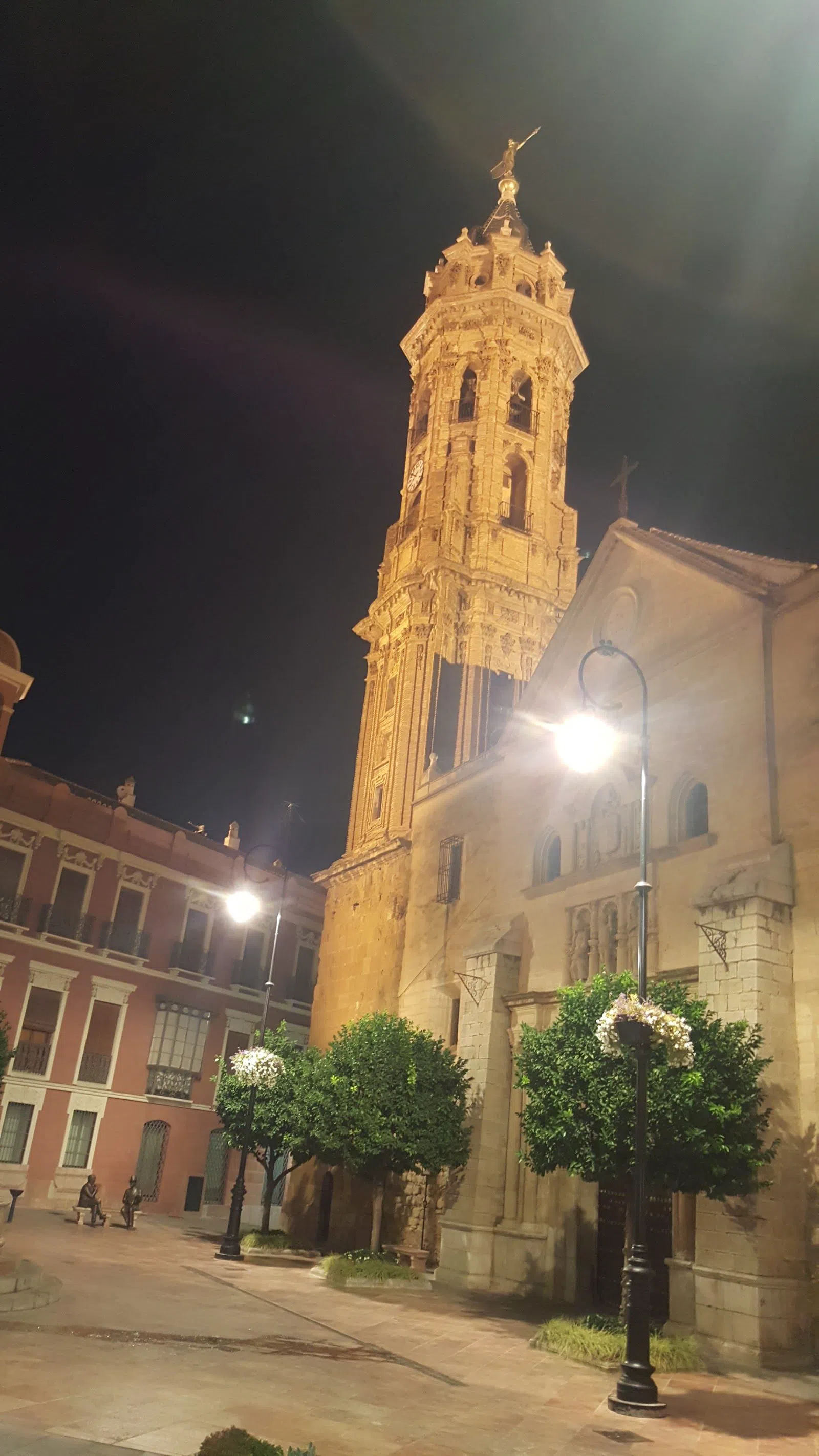
Antequera (the town-centre station, Antequera-Ciudad) is two hours and €35-45 return, and one booking decision makes or breaks it. Book into Antequera-Ciudad, in the town itself. The high-speed Antequera-Santa Ana station is seventeen kilometres out with a sparse weekday-only bus and a €25 taxi, and it has ruined more itineraries than bad weather. There are three direct services a day, so the timetable dictates the shape of the visit. The reward is a UNESCO megalithic site of dolmens older than the pyramids, entry nominal and free for EU citizens, though the site closes on Mondays and shifts to morning-only hours in high summer with separate evening visits. Confirm the seasonal timetable before you commit a group.
Málaga (the old centre, around the Picasso museum) is also two hours, €40-55 return, with around nine trains a day, which is enough flexibility for a group to improvise. Two hours each way is the honest ceiling for a day trip that still feels like leisure, but the museum, the Alcazaba above it and a long lunch by the port fill the time without anyone being marched. The Museo Picasso opens daily 10:00 to 19:00, costs around €12, and takes booked groups through its own official ticketing site. The high-speed branch was closed for months earlier in 2026 and has been running normally since late April.
Granada is the one to be honest about. Two hours forty-five each way, only about five direct trains a day, €50-70 return: that is a dawn-to-late-night commitment rather than an outing, and it is a better overnight if your schedule can absorb one. The Alhambra (the hill above the old town) caps admission at roughly 8,500 people a day and entry to the Nasrid Palaces is a hard timed slot; general admission is around €20. Without that slot the journey is pointless, and in peak season the slots go months ahead. Book the moment tickets release ninety days out, or go through an operator holding an allocation, which for a group of any size is usually the realistic option.
Practical notes before you buy a ticket
Everything here leaves from Santa Justa, which is a ten-minute taxi or a short bus ride from the centre; check the Seville hotel search for something near the tram line if you plan several early starts. High-speed seats to Córdoba, Antequera, Málaga and Granada are reserved and priced dynamically, so book them in advance and expect the low end of each range only if you do. Regional services to Utrera, Jerez, El Puerto, Cádiz, Osuna, Almodóvar and Niebla are frequent enough to buy on the day. The Sierra Norte line is the sole exception, and that one you plan around.
Cards work at the major monuments and bodegas, but carry twenty or thirty euros in cash for small-town castle desks, village bars and the bay catamaran. The small towns still empty out in the middle of the day, so front-load the sightseeing and eat late rather than the reverse, and check closing days before you travel, since Mondays close more doors than any other factor on this list. On budget, a cheap day out is €20-30 all in at Utrera or Niebla, a standard one €50-70 at Córdoba, Cádiz or Jerez once the train, entries and a proper lunch are counted, and Granada is roughly double that before you have eaten anything.
Before you go
What is the easiest day trip from Seville without a car?
Córdoba. High-speed AVE and Avant trains run 35 to 38 times a day, the journey takes about 45 minutes, and the Mezquita is a ten-minute walk from the station, so a group with no car and no plan still gets a full day. Reckon on €25 to €45 for the return ticket and €15 for the Mezquita.
Do I need to book train tickets in advance?
For the high-speed routes (Córdoba, Antequera, Málaga, Granada) yes, because seats are reserved and prices rise as departure approaches. Regional services to Utrera, Jerez, El Puerto de Santa María, Cádiz, Osuna, Almodóvar del Río and Niebla run often enough to buy on the day. The Sierra Norte line to Cazalla de la Sierra and Constantina is the exception: it is infrequent and needs planning around.
Can I combine Cádiz and El Puerto de Santa María in one day?
Yes, and it is the better way to do both. Train to El Puerto (about an hour and five to an hour and twenty), spend the morning at the Castillo de San Marcos or an Osborne bodega tour, then take the bay catamaran across to Cádiz in roughly 30 minutes for a few euros and return by rail from there.
Is Granada realistic as a day trip from Seville?
Technically yes, practically it is a stretch: about two hours forty-five each way with only around five direct trains a day, so it becomes a dawn-to-late-night commitment. It is far better as an overnight. Either way you need a pre-booked Nasrid Palaces timed slot, because the Alhambra caps admission at roughly 8,500 a day and peak-season slots sell out months ahead.
Which of these trips work best for a larger group?
Córdoba, Jerez de la Frontera and Málaga: frequent departures let a group split across services, and the main venues sell booked group tickets. Jerez is the smoothest, with hourly bodega tours and ticketed show seating. Avoid Osuna on a weekday, when the guided bullring tours do not run, and treat Niebla and the Sierra Norte as small-party trips, since neither has group infrastructure.