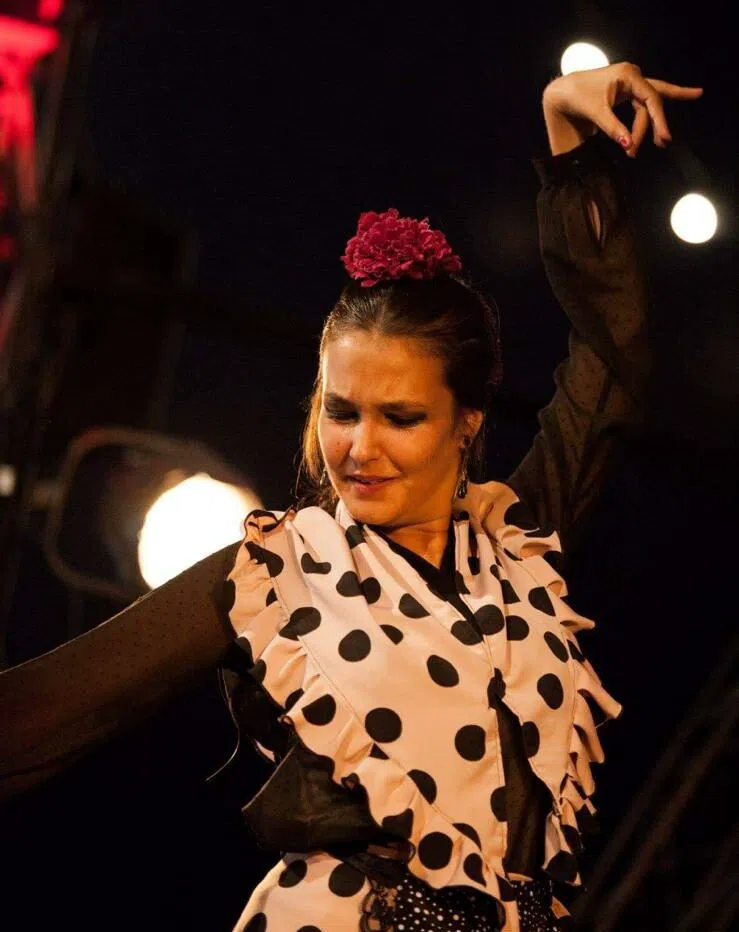
Late on a Tuesday in Triana, a woman in her sixties leans against the bar of a room with no stage, no lighting rig, and no ticket booth, and waits for someone to decide it's time. When the guitar starts, nobody announces it, no host explains the history to the room, and no drinks list arrives with a "flamenco experience" sticker — just the sound of a place where the singing was never built for anyone watching. Seville has both kinds of flamenco now, the kind that happens because a room decided to happen and the kind that happens because a schedule says so, and knowing the difference before you book is the whole point of this guide.
Triana After Dark: The Neighbourhood Rooms
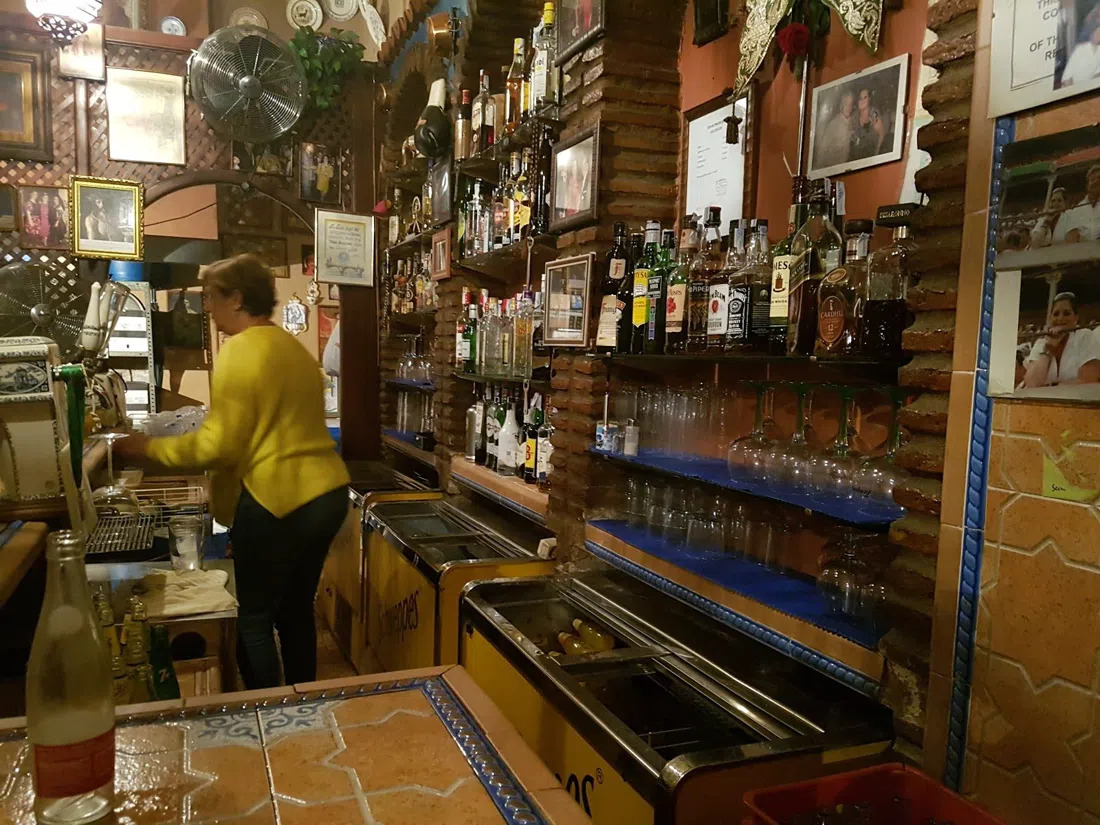
Triana, across the river from the cathedral and the horse-drawn carriages of the old city, is where much of Seville's flamenco identity was actually forged — a gitano quarter of potters and dockworkers whose bars have hosted informal singing long before anyone thought to sell a ticket for it. Casa Anselma (Triana) is the purest surviving version of that habit, and it is not, in any conventional sense, bookable. There's no reservation line, no seating plan, and no admission charge; you queue at the door some nights and not others, you stand because there are no chairs, you pay only for what you drink — €3 to €5 a round — and the singing starts near midnight whenever the room feels like it, not on a printed schedule. It is cash only, it will not hold a table for a group of eight, and on a slow night it might not happen the way you hoped. That unpredictability is exactly why people who care about flamenco keep coming back, and exactly why anyone who needs a guaranteed ninety minutes of performance for a coach party should look elsewhere in this guide.
A few streets over, Sala Almoraima (Triana) gives you the same neighbourhood grain with an actual door policy. It seats around fifty, sells tickets online, and still manages to feel like a room the street uses rather than a stage built for visitors — a distinction that matters more than it sounds once you've sat through a tablao that clearly exists only for the tour buses parked outside. A standard ticket with a show and a drink runs €25 to €35; the premium front-row tier adds an Iberian plate, which is worth it in a room this size, since there's no such thing as a bad seat that's also far away. It suits couples, pairs of friends, small parties happy to book online in advance; it does not suit a coach party of thirty, and the room's size makes that self-evident before you even arrive.
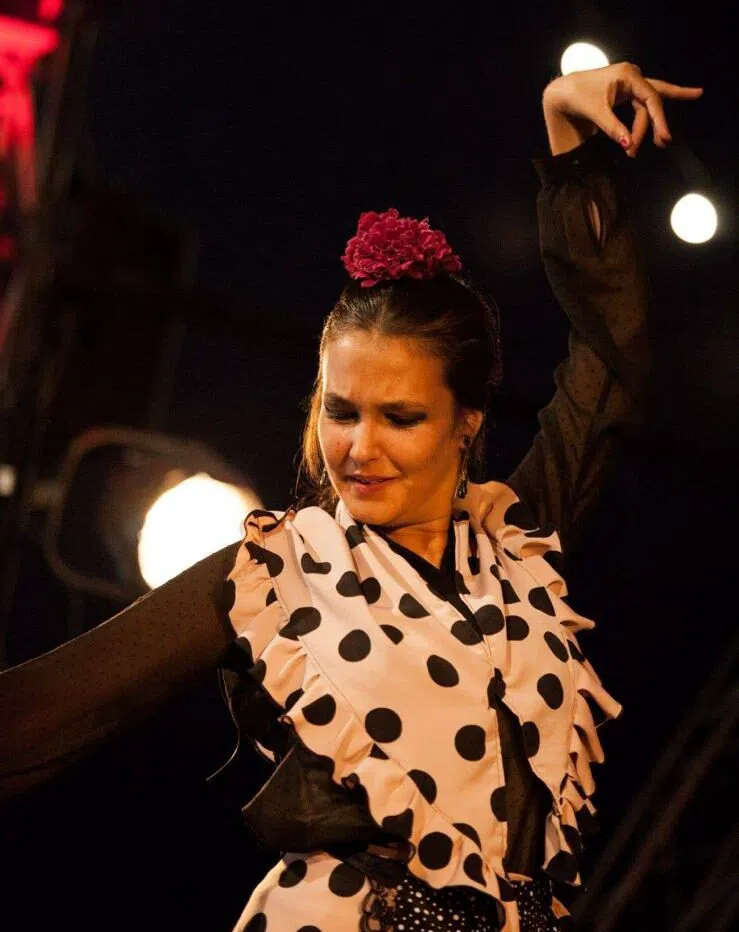
Tablao Flamenco Triana (Triana), on the neighbourhood's main spine, runs on the same logic of scarcity: very limited seats each night, tickets non-refundable, so the booking has to happen ahead of time and has to be treated as final. What you get for it is a genuine tavern converted into a tablao rather than a hotel ballroom retrofitted with a flamenco night bolted on — the room reads like it always did this, because it more or less did. From €22 for a show and one drink, it works for small groups who plan a few days out and accept that a non-refundable ticket means committing to a date rather than keeping options open.
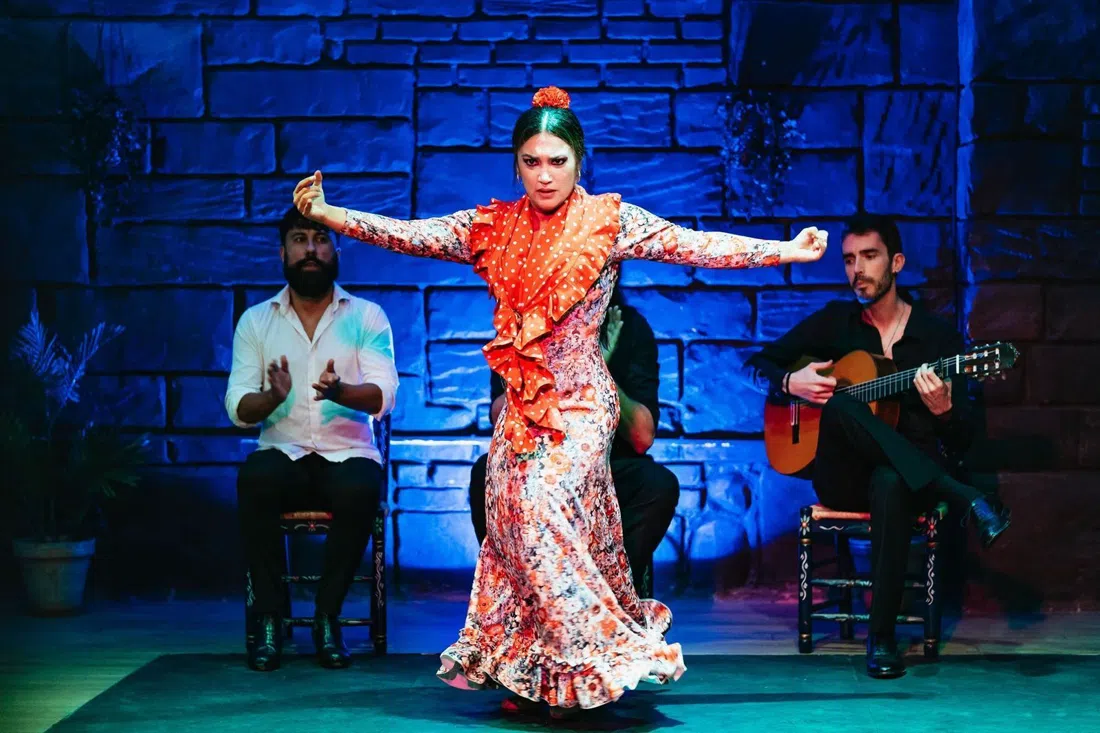
The smallest and most serious of the Triana rooms is T de Triana, sold under the name Flamenco Esencia (Triana), which seats exactly thirty-four people and makes no attempt to be anything larger. It's María La Serrana's revival of the reuniones de cabales — the old private gatherings where serious flamenco lovers would meet to listen, not to be served a show — scaled down to something close to tablao-of-one intimacy. At €20 to €25 it isn't expensive for what it is, but it is emphatically not built for a group outing; this is a room for two people, or four at the outside, who want to be close enough to the cante to feel it rather than watch it from a middle row.
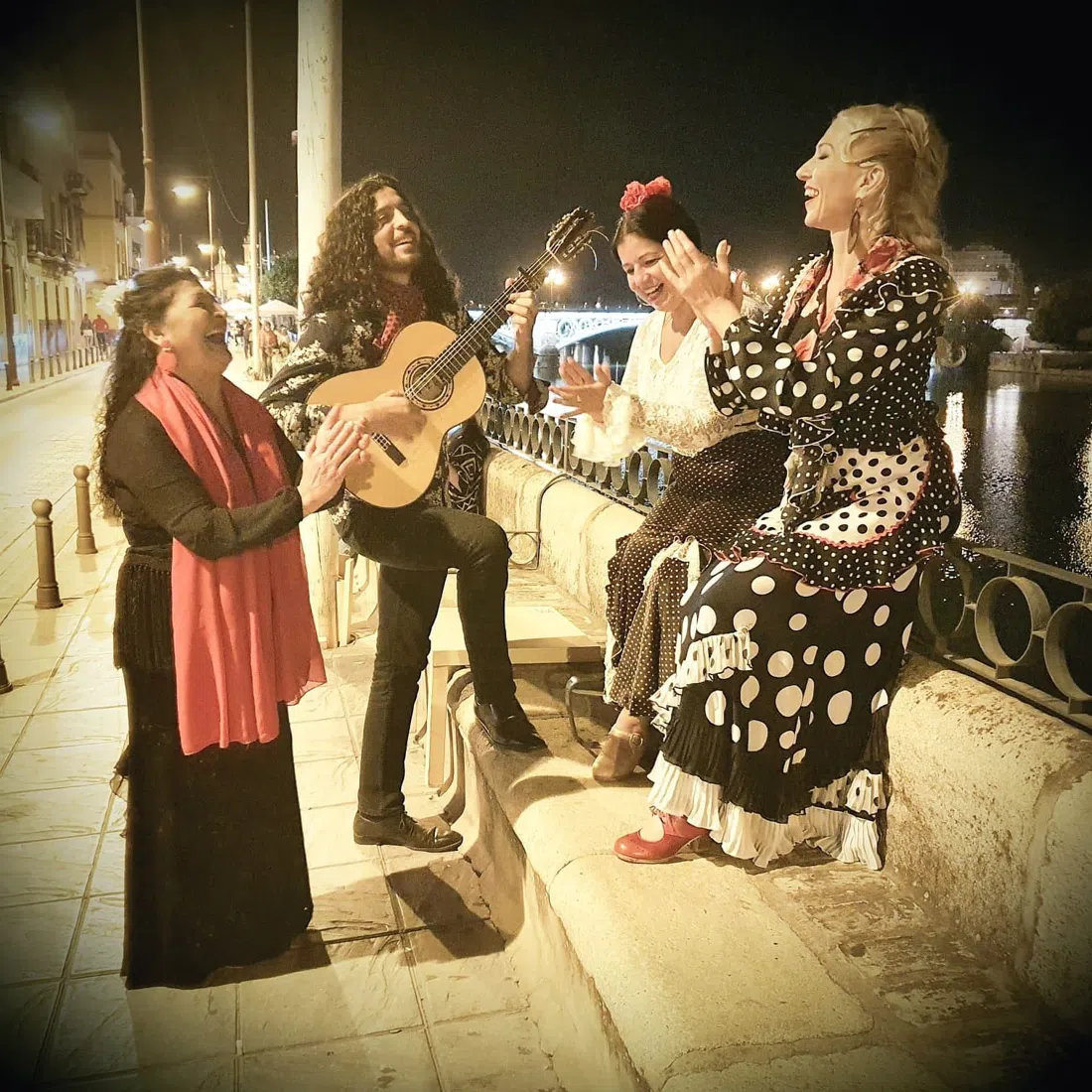
Triana for Groups: Where Numbers Are Welcome
Not every Triana venue punishes a larger party, and two in particular are built with groups specifically in mind. Teatro Flamenco Triana (Triana) runs 365 days a year and advertises an explicit grupos y empresas line for group and corporate bookings — the most straightforwardly group-friendly address on this side of the river. It's run by the Cristina Heeren Foundation, which is not a marketing flourish but a genuine credential: the Foundation is flamenco's most serious teaching institution in the city, and the cast performing most nights are its students and alumni rather than a troupe assembled to work a dinner-show circuit. Tickets run roughly €19 to €25, making it one of the better value stages in the neighbourhood as well as one of the easiest to book as a group, though it's worth knowing going in that you are watching people still inside their training rather than veterans decades into a career — for many visitors that's the appeal, not a caveat.
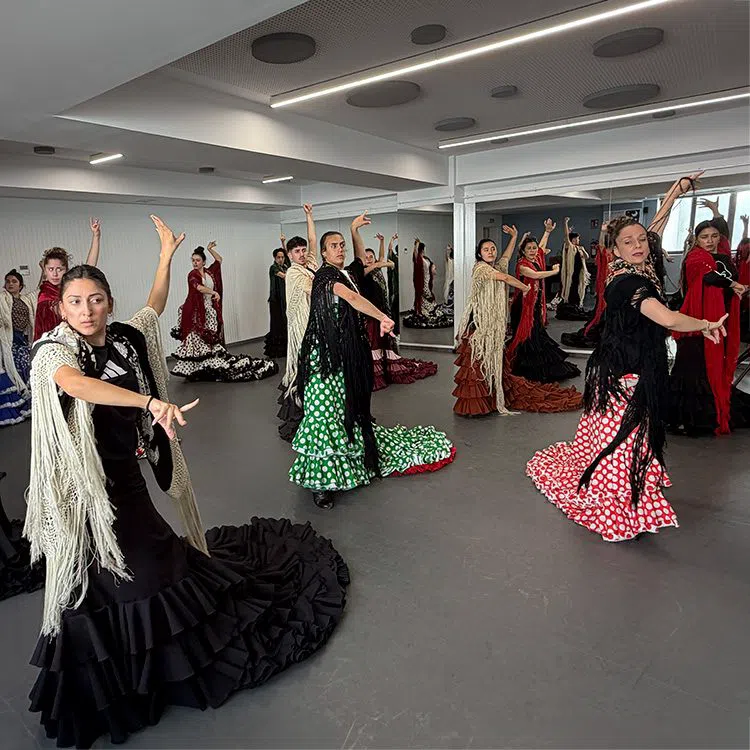
Pura Esencia Flamenco (Calle Betis, Triana), set along the river-facing strip of bars and restaurants that tourists gravitate to for the view of the old city across the water, is the most group-ready of the Calle Betis rooms and runs a dedicated reservations line for private events. At €25 to €35, with dinner and paella add-ons available, it leans further toward the dinner-show format than its Triana neighbours do — which is worth flagging plainly, because a dinner-show format is precisely what this piece is trying to steer readers away from. If you're booking Pura Esencia in the spirit of this guide, book the show-only ticket and skip the menu; the paella is for a different kind of night out than the one Casa Anselma or T de Triana are offering.
Santa Cruz: The Tourist Quarter's Honest Stages
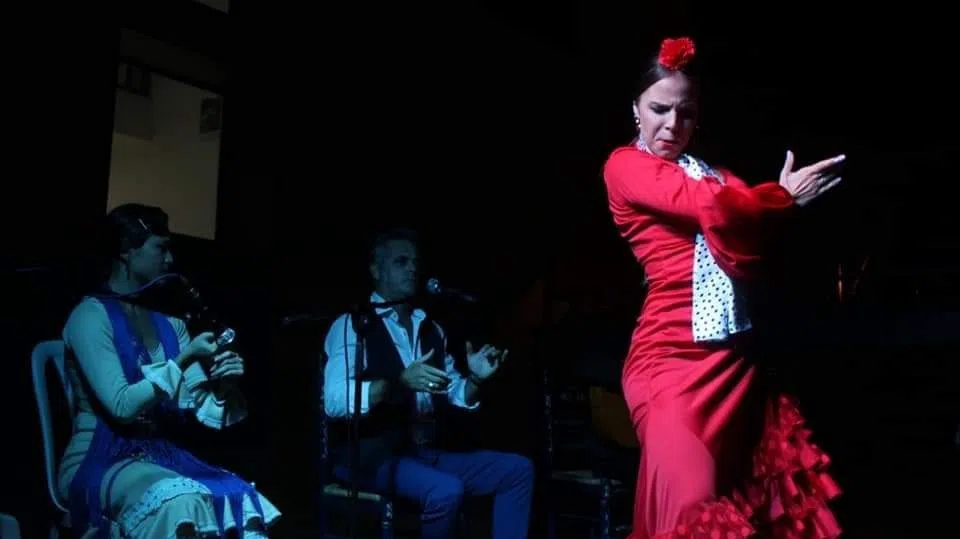
Santa Cruz, the old Jewish quarter hemmed in by the cathedral, the Alcázar walls, and a maze of whitewashed lanes built for shade rather than traffic, is where most first-time visitors end up looking for flamenco simply because it's where they're staying. The neighbourhood has more dinner-show operators than Triana does, which makes the two honest exceptions worth naming precisely. Los Gallos (Santa Cruz) has run two shows a night since 1966, making it Seville's oldest continuously working tablao, and it won the International Flamenco Award in 2024 — a real, juried recognition rather than a plaque bought for the wall. At €35 to €40 for a show and a drink it's priced at the top of this list, and its longevity means it's set up for standard group ticketing without any of the individual attention a room like T de Triana can offer; go for the pedigree and the two-shows-a-night reliability, not for intimacy.
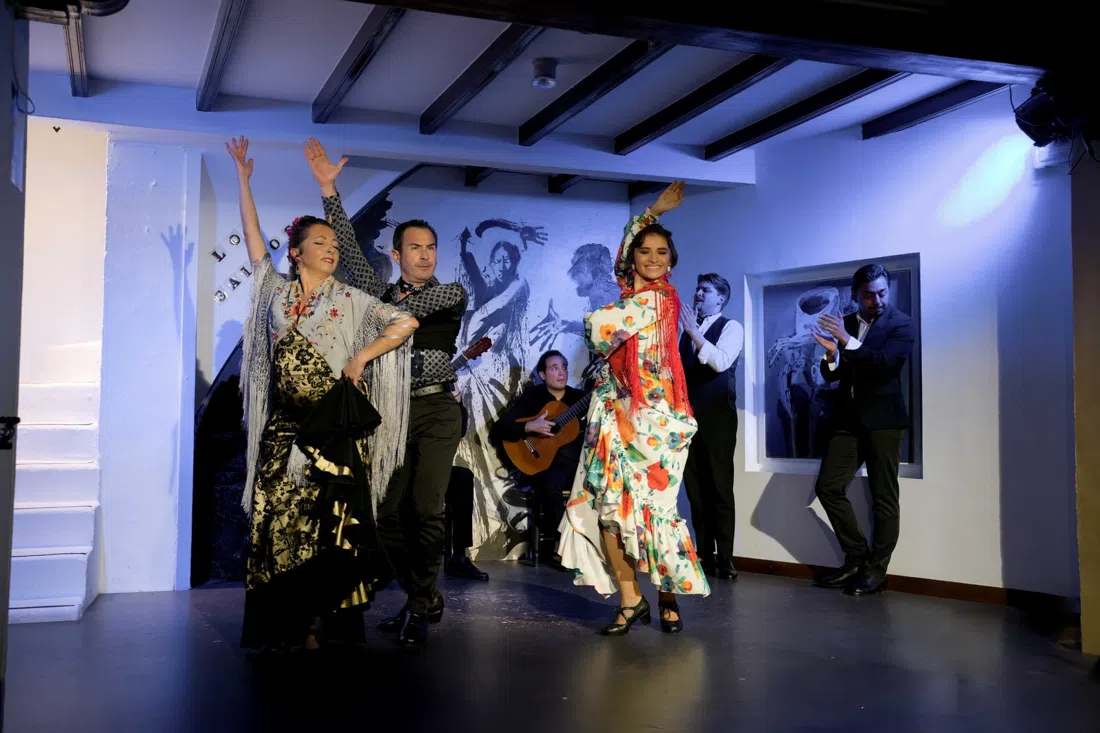
La Casa del Flamenco (Santa Cruz) is the better choice if intimacy is what you're after within Santa Cruz itself. Under a hundred seats across three rows in a courtyard, and — this is the detail that matters — entirely unamplified. No PA system smooths the cante or pushes the guitar through speakers; what you hear is what the room actually produces, which in a courtyard this size means every seat is close enough for that to be audible rather than academic. Tickets run €21 to €26, and it's worth booking ahead for groups, since three rows fills up fast and there's no back-of-house overflow the way a larger venue might absorb.
Macarena and the Cultural Institutions
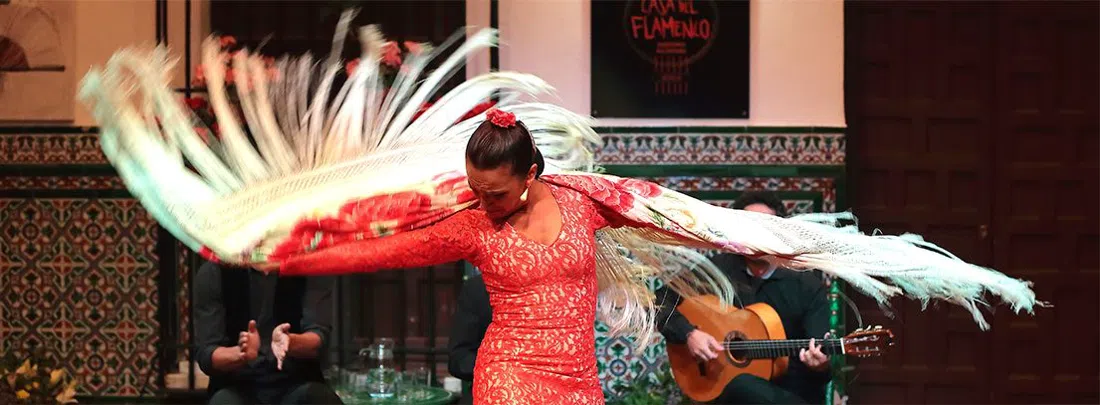
Three more stops round out the picture, and each is worth knowing for a different reason than raw atmosphere. Tablao Álvarez Quintero now operates from an address in the Macarena district rather than its old spot near the cathedral in Santa Cruz — a relocation worth flagging clearly, since older guides and half the internet still send people to a Santa Cruz location that no longer exists. The 85-seat room takes group rates by direct contact rather than online booking, runs €20 to €25, and the reason to make the trip out to Macarena anyway is the after-show access to the artists, a level of contact that's harder to get in a bigger, faster-turnover room.
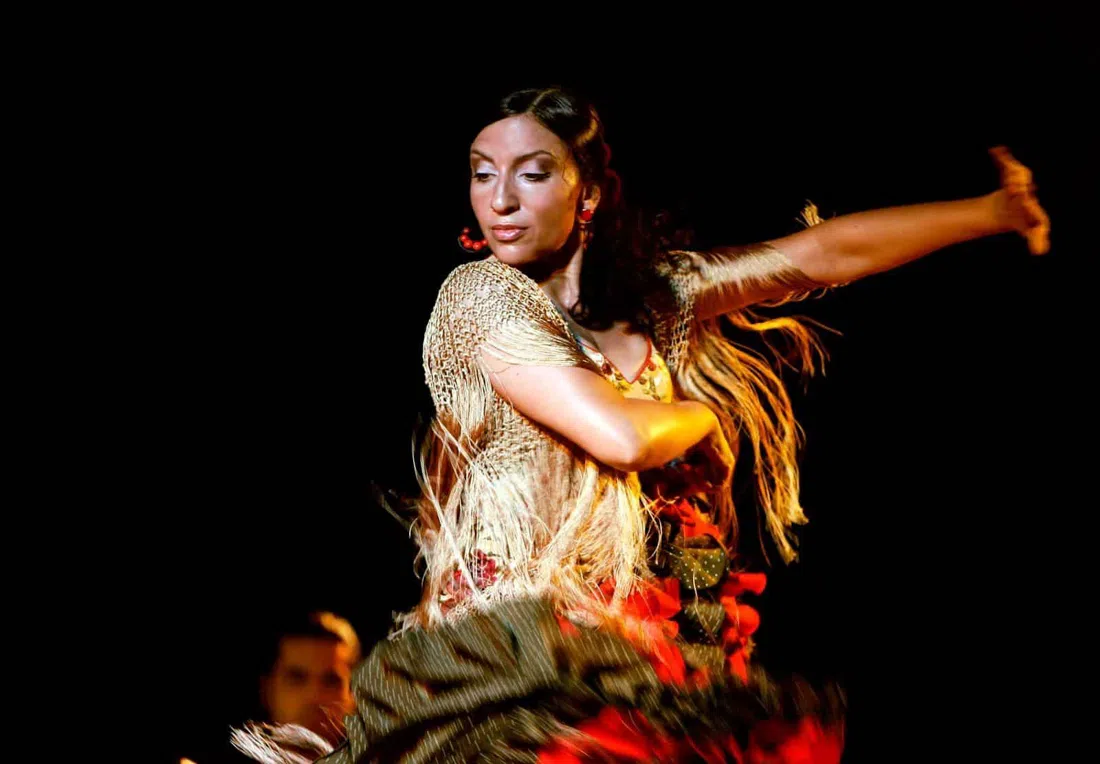
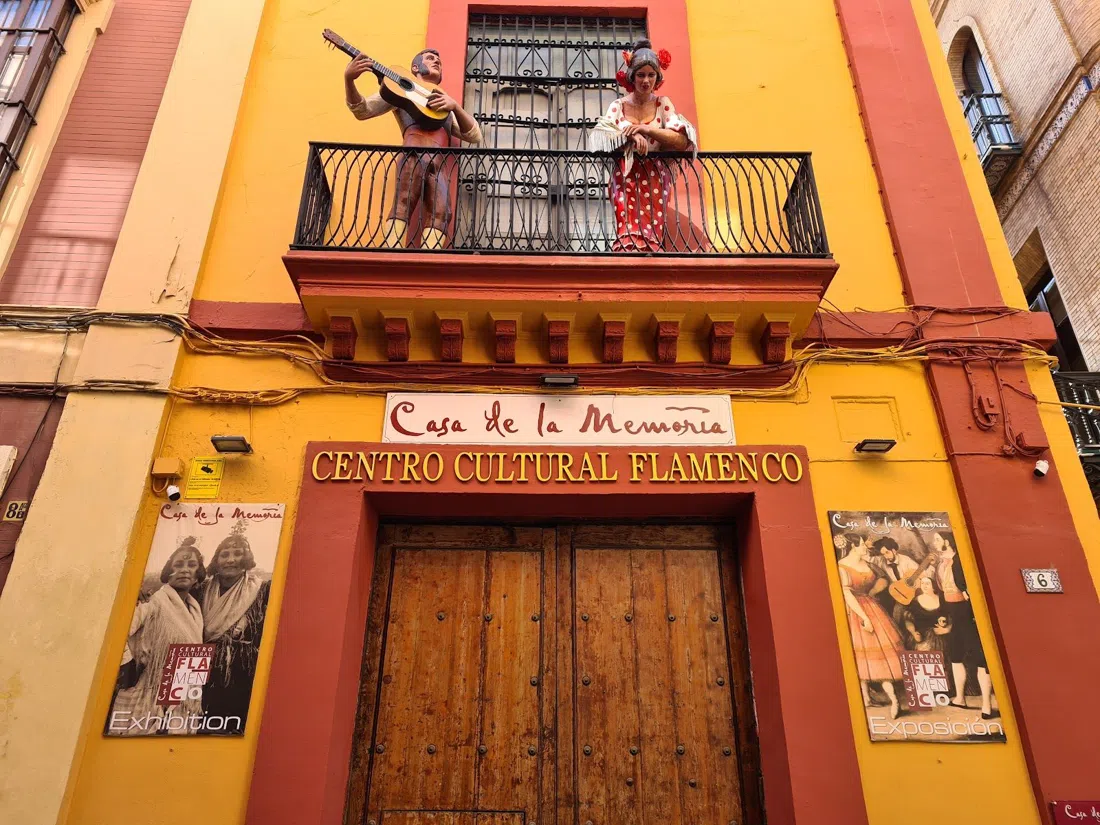
Casa de la Memoria (central Seville) drops the theatrical trimmings almost entirely: no food, no menu, no filler, two shows a night at 19:30 and 21:00, and a general ticketing system that suits groups without difficulty. At around €22 it's close to a listening-room experience in the middle of the city, though it's not recommended for children under six, which is worth knowing if you're travelling with family and hoping to fold flamenco into a day that includes younger kids.
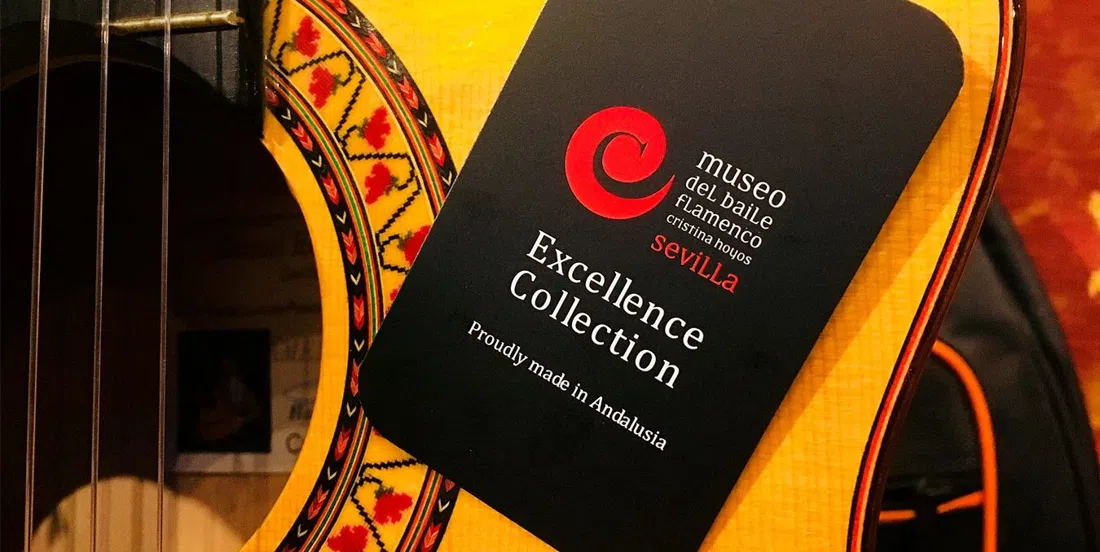
Museo del Baile Flamenco (Santa Cruz) is the one entry on this list that is a museum first and a tablao second, and it earns its place on pedigree rather than atmosphere: it was founded by Cristina Hoyos, the most decorated flamenco dancer of her generation, and the museum-scale operation behind it — three daily showtimes at 17:00, 19:00, and 20:45 — makes it the single easiest venue on this list to plan a group visit around, since there's always another slot the same day if the first one doesn't fit. Pricing is tiered: €25 for adults, €18 for seniors and students, €12 for children aged six to twelve, which also makes it the most family-workable option by some distance. It won't give you the gamble-on-a-given-night feeling of Casa Anselma, but that's not what it's selling; it's selling context, and it delivers that well.
Getting There, Paying, and Timing It Right
A few practicalities before you book. Triana and Santa Cruz sit on opposite banks of the Guadalquivir, roughly a fifteen to twenty-minute walk apart via the Puente de Isabel II (locally the Puente de Triana) or the Puente de San Telmo further south; taxis and the C1/C2 bus routes cover the distance in a few minutes if the evening's turning cold or you're moving between a Triana show and a Santa Cruz dinner. Most tablaos and theatres take cards for advance bookings, but carry cash regardless — Casa Anselma is cash only for drinks, and door tips or last-minute walk-ins anywhere in Seville go more smoothly with notes in hand than with a phone held out for a card reader that may not exist.
Timing depends entirely on which kind of night you're after. The scarce-seat, reservation-only rooms — Tablao Flamenco Triana with its non-refundable tickets, the thirty-four-seat T de Triana — need booking days ahead, not on the day; the larger, group-oriented stages like Teatro Flamenco Triana, Museo del Baile Flamenco with its three daily slots, and Los Gallos with two shows nightly, have more flexibility and can often take a same-day booking outside peak season. If Casa Anselma is the night you want, treat it as a late one: nothing starts before dinner is long finished, often not until close to midnight, so eat first and arrive without an early alarm the next morning.
Budget across this list runs from roughly €19 at the cheapest group-friendly theatre to €40 at Seville's oldest tablao, with most rooms landing in the low-to-mid twenties for a show and a single drink — reasonable by the standards of any first-tier European city, and considerably less than what the same hour costs at a purely tourist-facing dinner-show elsewhere in Spain. None of these prices need converting into a home currency to make sense of them; they're what the room actually charges, and worth budgeting in euros rather than working backwards from an exchange rate. If you're mapping out where to stay for a night that might run from an early Museo del Baile Flamenco slot to a post-midnight stop at Casa Anselma, start with a Seville hotel search for something within reach of both riverbanks, and the Seville guide covers the rest of the city around these rooms — the tapas bars, the Alcázar, the walk along the river that makes the distance between Triana and Santa Cruz worth doing on foot at least once.